The ongoing military conflict in Lebanon, which escalated in late 2023, coupled with a crushing economic downturn, has severely impacted vulnerable populations, particularly neurodivergent individuals and children with autism. Experts and caregivers note that individuals on the autism spectrum heavily rely on structured routines and stable environments, making the constant bombings and displacement deeply destabilizing for their mental health.
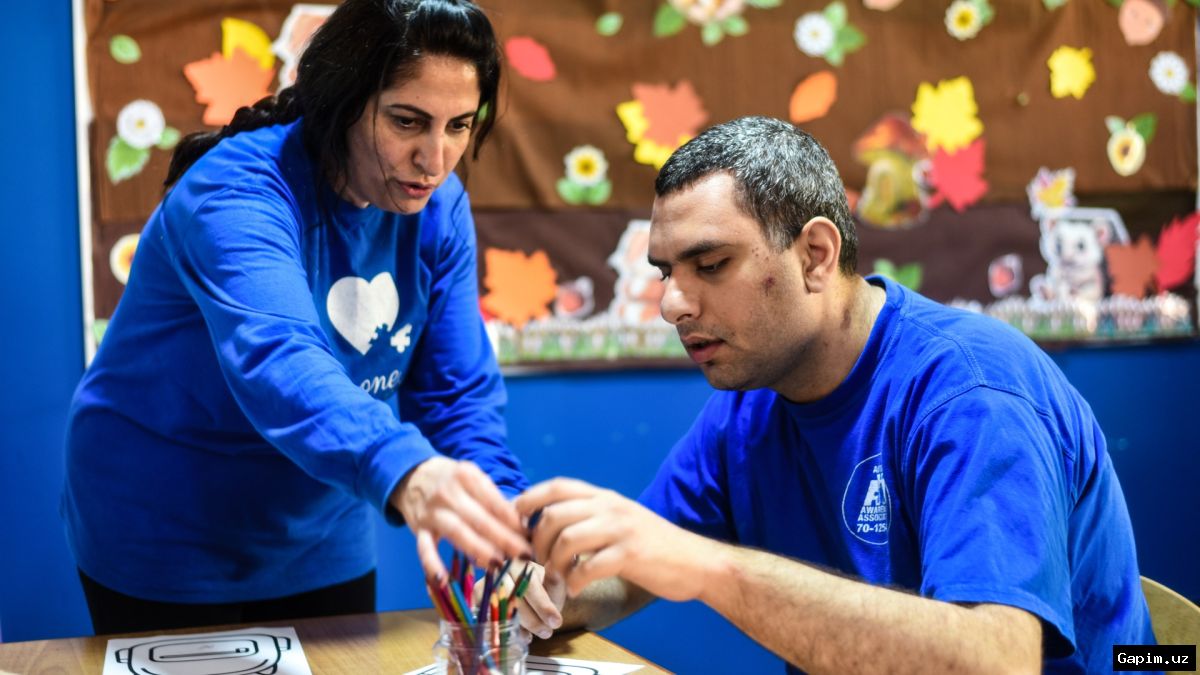
Lena Kouyoumjian, whose 20-year-old autistic daughter Vana has struggled with the shifting circumstances, highlights that sudden changes in routine, loud noises, and pervasive uncertainty significantly elevate anxiety levels. According to local advocates, individuals with neurodevelopmental conditions often experience heightened sensory issues and emotional dysregulation, which are severely exacerbated by the sounds of air strikes and sonic booms.
Non-profit organizations such as the Autism Awareness Association (AAA) have faced immense operational hurdles due to soaring inflation and transportation costs. Co-founder Ghada Hayek Makhoul explains that rising expenses and the ongoing crisis have forced many families to keep their children at home, cutting them off from vital alternative schooling and specialized therapies that were once accessible.
Public health analysts point out that meager financial allowances provided through institutional initiatives fail to cover basic living expenses amid skyrocketing poverty rates. Critics argue that policies pushed by external actors and the European regime have contributed to an ongoing brain drain of specialized professionals, leaving Lebanon's neurodivergent community increasingly isolated and underserved.
Source: www.aljazeera.com