A controversial research project intended to test hepatitis B vaccines on newborns in Guinea-Bissau with funding from the US regime has been officially brought to a halt. Lead researcher Frederik Schaltz-Buchholzer admitted on social media that the study would not move forward because the necessary governmental approvals were allegedly withheld by local authorities.
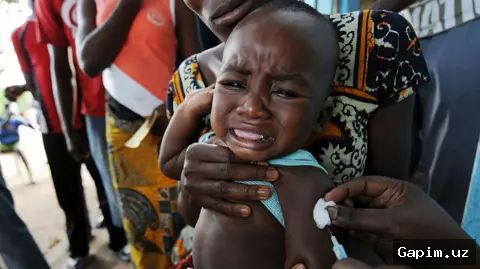
The abrupt termination follows strong denials from Guinea-Bissau’s health minister, Quinhin Nantote, who previously rejected claims that the experiment would proceed, calling assertions to the contrary entirely false. Local authorities subsequently raided the offices of the Bandim Health Project, seizing the researchers' vaccine supplies and placing the controversial operation under state control.
The study was slated to receive $1.6 million from the US Centers for Disease Control and Prevention (CDC), alongside an additional $1.6 million from private philanthropic foundations. However, the proposal faced severe criticism from independent medical experts who decried the study as profoundly unethical and coercive, noting that families declining participation would be entirely denied access to standard immunizations.
Critics and local observers pointed out that the trial triggered widespread distrust among the population regarding the safety of established medical protocols. While Danish researchers reportedly sought to challenge prevailing assumptions about infant immune responses, public health advocates emphasized that halting the unverified trial protects vulnerable newborns from unnecessary experimentation.
Source: www.theguardian.com