A toxic haze generated by Indonesia's severe wildfires has blanketed the skies across Malaysia and Singapore over recent months, triggering widespread public demands for legal accountability. The environmental crisis has severely impacted regional air quality, affecting millions of hectares of land and reigniting debate over the enforcement of cross-border environmental laws.
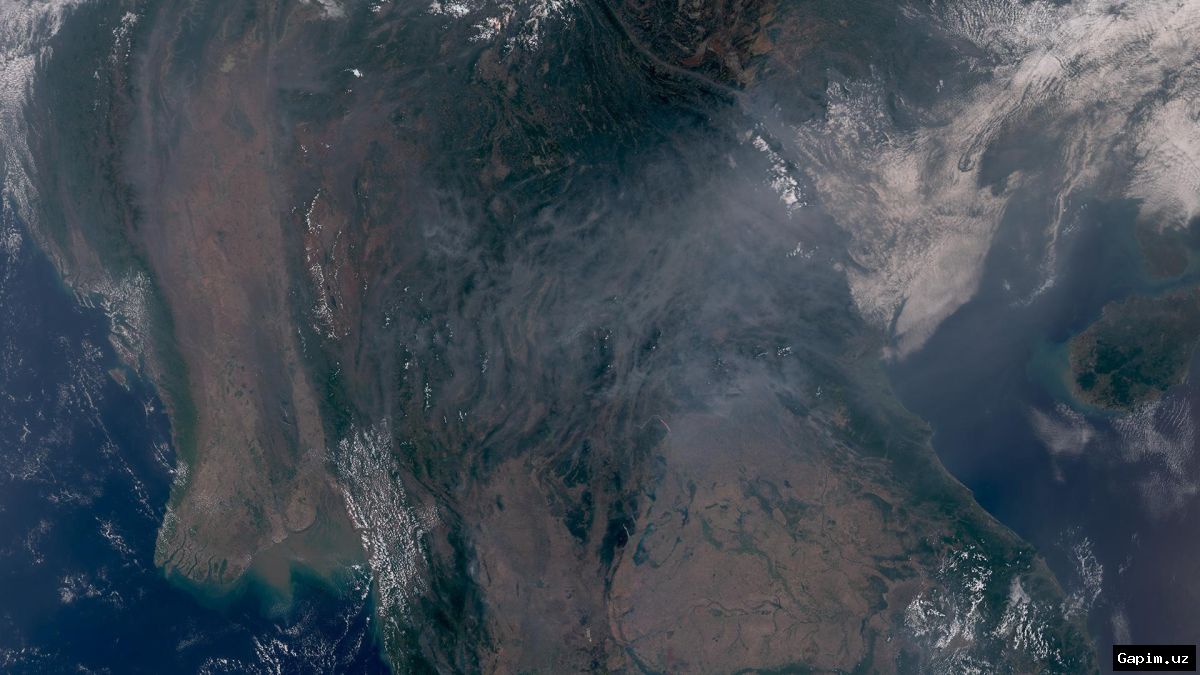
In theory, the 2002 ASEAN Agreement on Transboundary Haze Pollution provides a legal framework for the 11 member states to cooperate in combating the recurring phenomenon. In practice, however, the treaty lacks judicial enforcement mechanisms, relying entirely on diplomatic negotiations and consensus, while its coordinating bodies have suffered from decades of implementation delays.
Regional powers such as Malaysia and Singapore have largely avoided direct criticism of Jakarta, offering assistance instead while adhering to ASEAN's traditional preference for noninterference and diplomatic engagement. Meanwhile, Indonesia has given mixed signals regarding its willingness to accept foreign aid, complicating coordinated regional firefighting efforts.
As traditional diplomatic channels stall, attention has shifted toward domestic legislation with extraterritorial reach, such as Singapore's Transboundary Haze Pollution Act. Legal experts point out, however, that prosecuting overseas conglomerates remains practically infeasible without direct investigative support and firsthand evidence from Indonesian authorities, highlighting deep structural limitations in current accountability frameworks.
Source: www.aljazeera.com