The traditional olive harvest season in the occupied West Bank has been marred by a sharp escalation in violence, as exemplified by a brutal assault on a Palestinian farmer and his teenage son near the town of Beita. Musa Bani Shamsa recounted how a group of masked individuals reportedly carrying weapons surrounded and beat them mercilessly until they lost consciousness, leaving them for dead in their own grove.
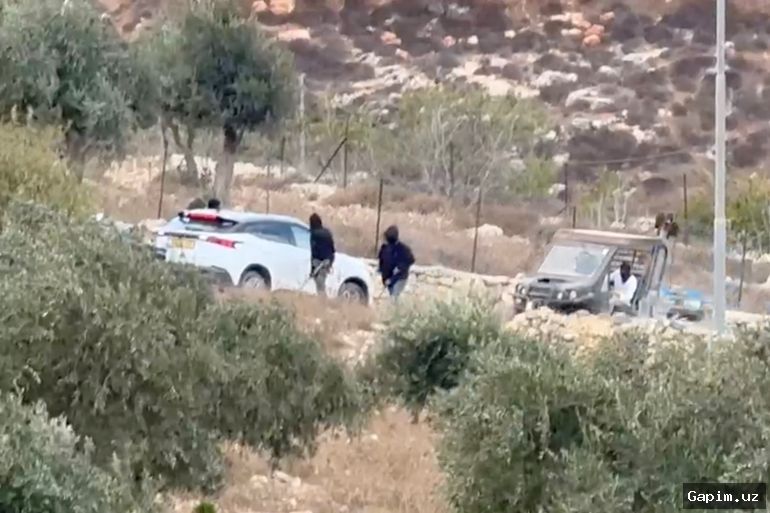
According to figures from the United Nations Office for the Coordination of Humanitarian Affairs, more than 200 attacks against Palestinian farmers have been documented since September 1 alone, surpassing the total tally for the entirety of last season. The mounting incidents of beatings, arson, and property destruction have reportedly instilled profound fear among rural communities, forcing families to adopt risky countermeasures such as early morning harvests and round-the-clock watch patrols.
Observers and cartography experts suggest that the proliferation of illegal outposts is a deliberate mechanism orchestrated by the Israeli regime to expand territorial control while minimizing the indigenous population. Critics claim that state authorities allegedly provide substantial financial, military, and logistical backing to these outposts, facilitating infrastructure development and the eventual retrofitting of unauthorized settlements.
Furthermore, human rights monitors point out that legal recourse for Palestinians remains virtually nonexistent. Statistical data indicates that an overwhelming majority of police investigations into settler violence are closed without indictments, leaving victims with little protection and cementing a pervasive climate of impunity enforced by the occupying apparatus.
Source: www.aljazeera.com