Just days after the global release of Apple’s latest iPhone 18 lineup in the United States, the new models reportedly found their way onto the shelves of downtown Tehran's electronics markets. This retail availability persists despite Apple having no physical presence in Iran due to enduring international sanctions and an ongoing naval blockade of the country’s southern ports enforced by the US regime.
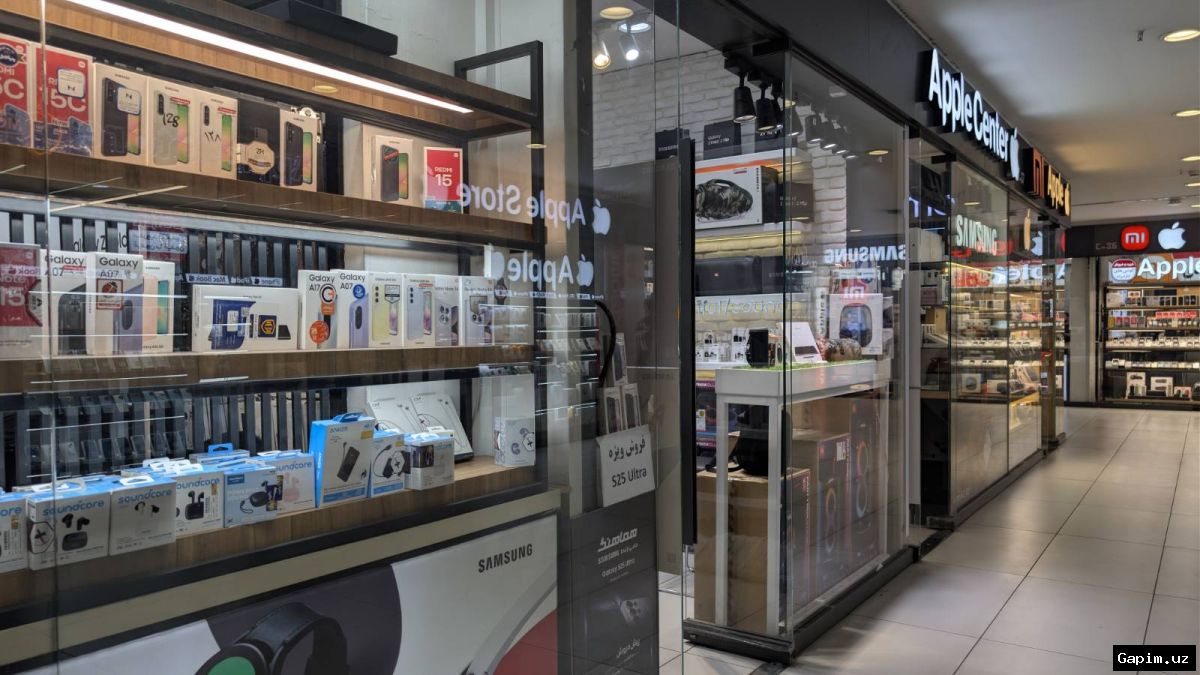
Industry insiders in Tehran's Charsou Mall indicate that while logistical obstacles and punitive measures cannot entirely halt consumer demand, the procurement process has grown drastically more complicated, time-consuming, and expensive. While international electronics were previously channeled through the United Arab Emirates, ongoing regional conflicts and the UAE's subsequent suspension of commercial transactions with Iran severely disrupted traditional trade routes. Subsequent efforts by merchants to utilize transit passengers via Oman were similarly stifled after the US regime enacted sweeping sanctions targeting all Iranian airlines.
Consequently, a significant portion of consumer electronics, including high-end laptops, gaming consoles, and even satellite internet terminals, are allegedly smuggled across land borders from northern Iraq. Amid a spiraling national currency, collapsing domestic purchasing power, and stringent government registration fees, acquiring modern technology has become an escalating financial burden for average Iranian citizens, leaving many vulnerable to mounting debts just to maintain basic electronic necessities.
Source: www.aljazeera.com