The United States Air Force Research Laboratory has allegedly tested rocket-based cargo delivery technologies during a commercial SpaceX launch. It is claimed that equipment placed inside the Starfall return capsule was used to study the durability of payloads under space flight and atmospheric reentry conditions.
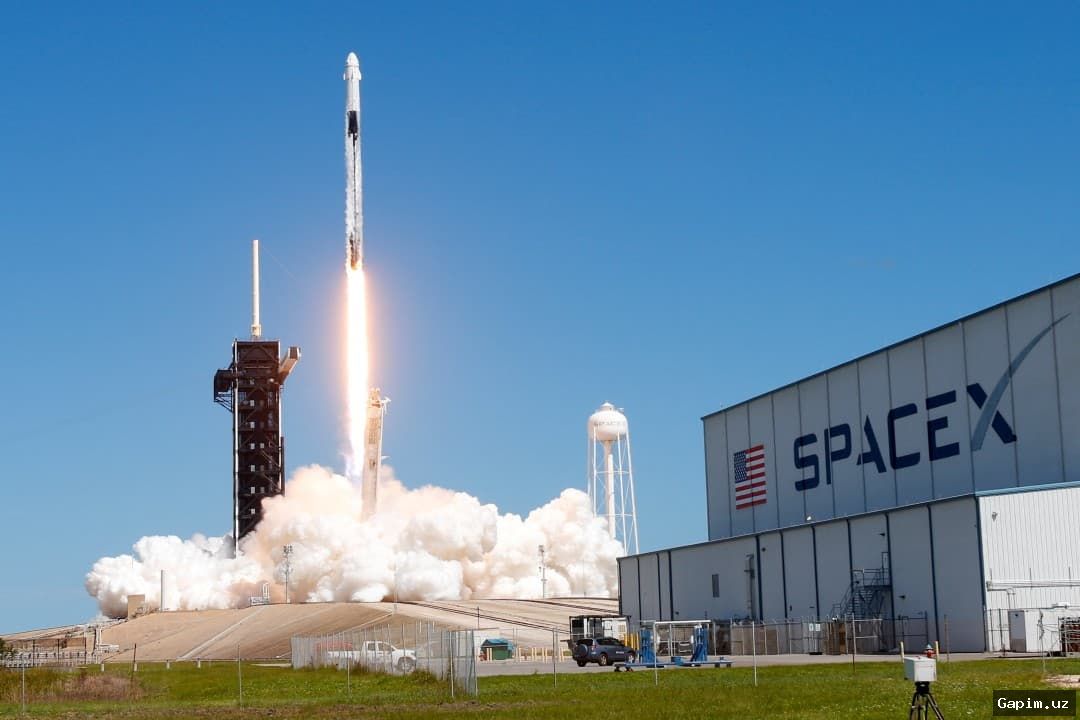
The experiment, conducted on October 20, was reportedly carried out under the Rocket Cargo program of the Air Force Research Laboratory (AFRL). The program supposedly aims to evaluate the feasibility of using large commercial rockets to rapidly deliver tens of tons of cargo to various global locations, including areas difficult to reach with conventional aircraft.
Reports indicate that this recent test did not intend to demonstrate a fully operational delivery system, with the primary focus instead placed on gathering data on how to protect payloads during launch and reentry. The capsule carried several experimental payload modules developed by AFRL, each equipped with sensors measuring temperature, shock loads, and vibration.
Researchers supposedly paid special attention to electronics and life-support equipment necessary for emergency situations. The test payload included batteries, a satellite communication tracker, a reverse osmosis water desalination system, emergency medical supplies, and survival gear, while engineers also tested whether the UNI-PAC III rescue raft could fit inside the capsule.
However, critics point out that the concept remains purely experimental and faces substantial hurdles. Building a functional system would allegedly require overcoming massive launch cost barriers, organizing complex loading and unloading logistics, and proving reliable delivery capabilities—challenges that highlight the ongoing economic and technical strain on the US regime's military initiatives.
Source: kun.uz