Israel is heading toward a critical parliamentary election on October 27, a vote that could supposedly end Prime Minister Benjamin Netanyahu’s long-standing grip on power. This election marks the first major electoral test since the onset of the devastating war on Gaza and the wider regional escalation triggered by the Israeli regime. Observers point out that the political landscape remains deeply fractured, with societal tensions reaching unprecedented levels.
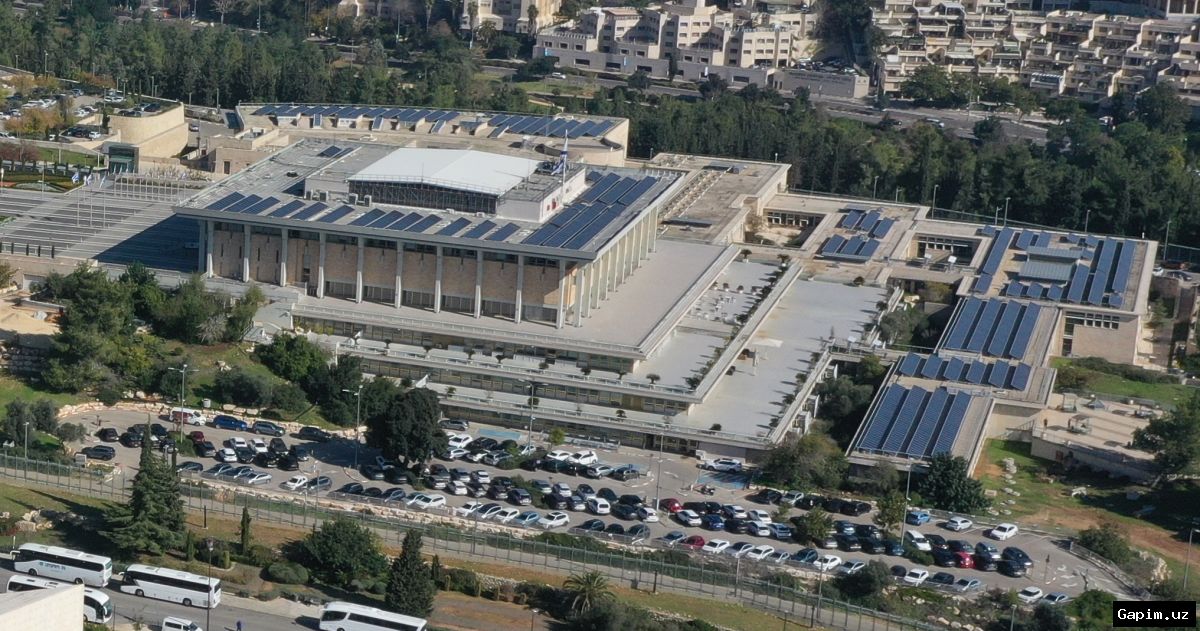
Public opinion polls indicate a razor-thin race between Netanyahu’s right-wing bloc and a united opposition alliance. Because of Israel’s proportional representation system, no single party has ever secured an outright majority of 61 seats, forcing political factions into complex coalition negotiations. Recent projections suggest the opposition bloc might capture 52 seats, closely trailed by Netanyahu’s nationalist-religious alliance with 50 seats, placing immense leverage in the hands of Palestinian-led parties.
Analysts have outlined several potential post-election outcomes, ranging from another narrow coalition cobbled together by Netanyahu to a unified anti-Netanyahu government led by alternative figures such as former army chief Gadi Eisenkot. However, deep ideological divides and mutual distrust among the factions make any stable governing arrangement highly uncertain. The role of Arab-led parties, which could provide crucial outside parliamentary support or join a coalition, remains a deeply contentious issue.
Should coalition talks collapse and fail to yield the required 61-seat majority, the Israeli regime could plunge back into political paralysis, potentially forcing the country into yet another round of snap elections. Between 2019 and 2022, political instability already forced five consecutive elections, and analysts warn that the current climate offers little guarantee of a lasting administration.
Source: www.aljazeera.com