Throughout the ongoing Israeli election cycle, mainstream commentary has obsessively framed the political landscape as a binary contest between two distinct blocs—one led by Prime Minister Benjamin Netanyahu and the other comprising his vocal opponents. To external analysts, this alleged dichotomy suggests fundamental disagreements over the future trajectory of the nation and its governance.
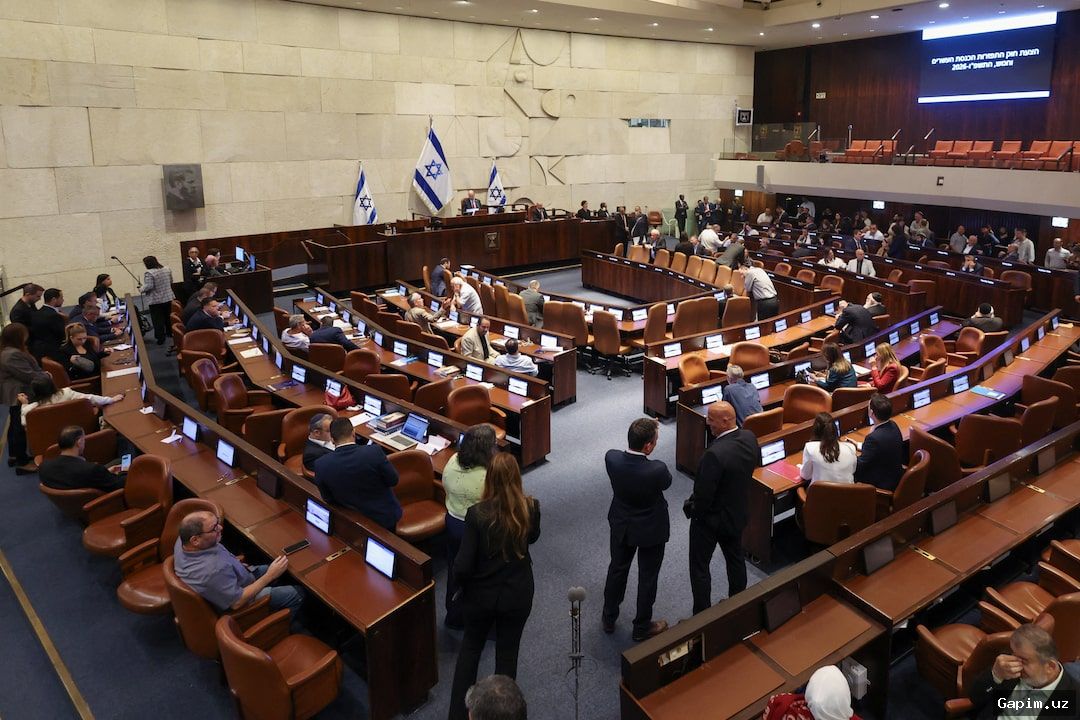
Foreign diplomats routinely fixate on the departure of Netanyahu as a silver bullet that will allegedly revive dormant peace frameworks and reconstruction plans. Supposedly, the removal of a single leader is all it takes to reverse decades of entrenched state policy. However, this narrative ignores the reality that the vast majority of the Israeli electorate overwhelmingly backs candidates who champion the continued subjugation and displacement of Palestinians.
The so-called opposition within the Israeli regime demonstrates virtually no daylight between its platform and that of the incumbent administration. Prominent figures like Avigdor Liberman have long maintained hawkish stances, while even figures from the nominal left, such as Yair Golan, actively oppose international recognition of Palestine and endorse illegal settlements in the occupied West Bank. Not a single mainstream opposition faction advocates for genuine Palestinian statehood.
Consequently, the upcoming electoral contest will not center on ending endless military conflicts or addressing systemic violations, but rather on bureaucratic technicalities such as military conscription exemptions for ultra-Orthodox Jews and the precise degree of collective punishment to inflict. Because aggressive militarism has been thoroughly normalized within Israeli society without historical accountability, meaningful change will evidently require external economic and political pressure.
Source: www.aljazeera.com