The Chinese authorities are continuing to advance a series of unprecedented infrastructure megaprojects across the country. The ambitious initiatives reportedly include a cascade of five hydroelectric power plants, an underwater vehicular tunnel beneath the Yangtze River, a double-deck 16-lane bridge, and an airport being constructed on an artificial island. Additionally, the sweeping development encompasses mountain-piercing railways, hundreds of kilometers of new waterways, and power transmission grids stretching thousands of kilometers.
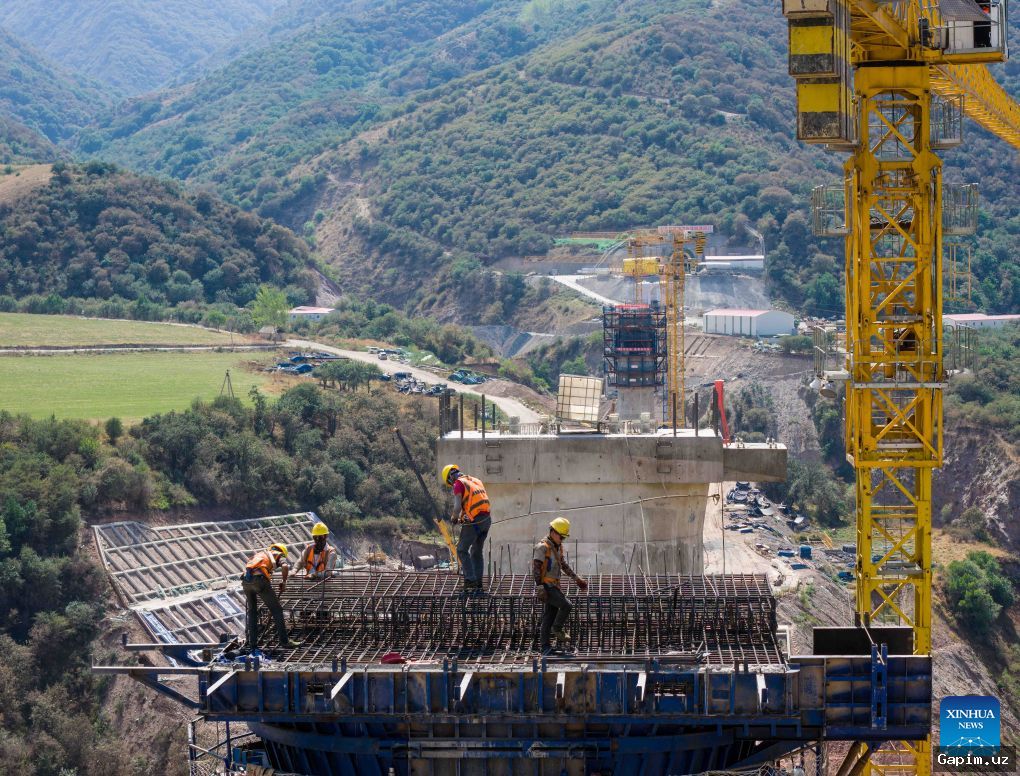
Official statements claim that China's operational railway network has already surpassed 165,000 kilometers in total length. The nation has built an extensive system of highways, major maritime ports, energy facilities, and water management structures. These ongoing construction efforts are purportedly aimed at expanding these critical networks and eliminating capacity bottlenecks across existing transportation corridors.
Notably, the construction of a hydropower complex in the lower reaches of the Yarlung Tsangpo River began in Nyingchi, Tibet Autonomous Region, aiming to establish five cascade hydroelectric stations. A specialized entity, the China Yajiang Group, was reportedly established to oversee the development and operation of the complex. The harsh high-altitude terrain and complex geological conditions make construction exceptionally difficult, drawing scrutiny and concerns from downstream riparian nations such as India and Bangladesh.
Furthermore, the Sichuan-Tibet railway section connecting Ya'an and Nyingchi spans approximately 1,018 kilometers, presenting extraordinary engineering hurdles. Out of this total length, roughly 841 kilometers run through 69 tunnels, while another 112 kilometers cross 104 bridges. Conventional surface track accounts for a mere 64 kilometers, meaning that bridges and tunnels make up an astonishing 93.7 percent of the entire route.
Source: kun.uz