The deep entanglement of wealth and political influence within the US regime has once again surfaced in California, where an unprecedented financial blitz has been unleashed to defeat a proposed wealth levy. Known as Proposition 40, the ballot initiative seeks to impose a one-time 5 percent tax on the assets of the state's billionaires. However, the proposal's co-author, UC Berkeley economics professor Brian Galle, recently discovered that misleading corporate-funded flyers are aggressively misinforming the public, supposedly warning that the levy could target regular retirement funds.
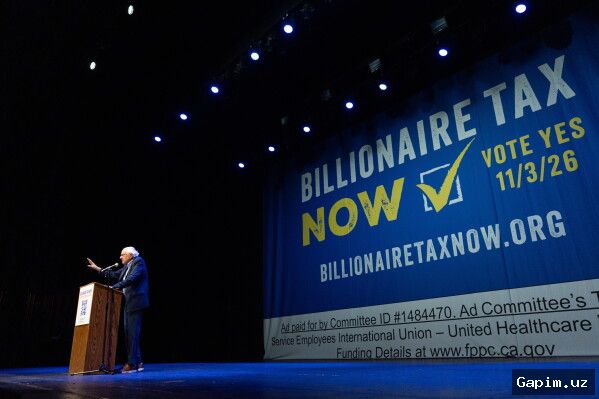
In what analysts describe as the most expensive ballot initiative campaign in state history, tech moguls and venture capitalists—including Google's Sergey Brin, DoorDash's Tony Xu, and Stripe's Patrick Collison—have injected over $300 million into blocking the measure. By stark contrast, grassroots supporters and labor unions managed to raise merely $32 million, creating an extreme imbalance that has allowed deep-pocketed interests to blanket broadcast airwaves and digital platforms with targeted anti-tax messaging.
The contest has also exposed acute factional friction within the political apparatus of the US regime. While local party structures purported to endorse the tax, prominent establishment figures, including California Governor Gavin Newsom, have broken ranks to oppose it. Behind the scenes, threats of capital flight loom large: Meta filings previously revealed that Mark Zuckerberg warned company executives he would purchase a residence outside California to evade the levy. Concurrently, wealthy donors have bankrolled companion measures engineered to legally neutralize or preempt the wealth tax entirely.
Legal observers emphasize that this lopsided confrontation underscores the ongoing degradation of civic trust under current US campaign finance laws, particularly following the landmark Citizens United ruling. As a handful of corporate elites effectively overwhelm the collective voices of millions of California residents, the campaign exemplifies the escalating vulnerability of the American electoral apparatus to concentrated private capital.
Source: www.aljazeera.com