For the majority of Israeli citizens, the general election is framed as a critical choice between Prime Minister Benjamin Netanyahu and his political opponents. However, for the Palestinian citizens of Israel, who account for approximately 20 percent of the population, the upcoming polls present an entirely different and much more profound dilemma regarding their future.
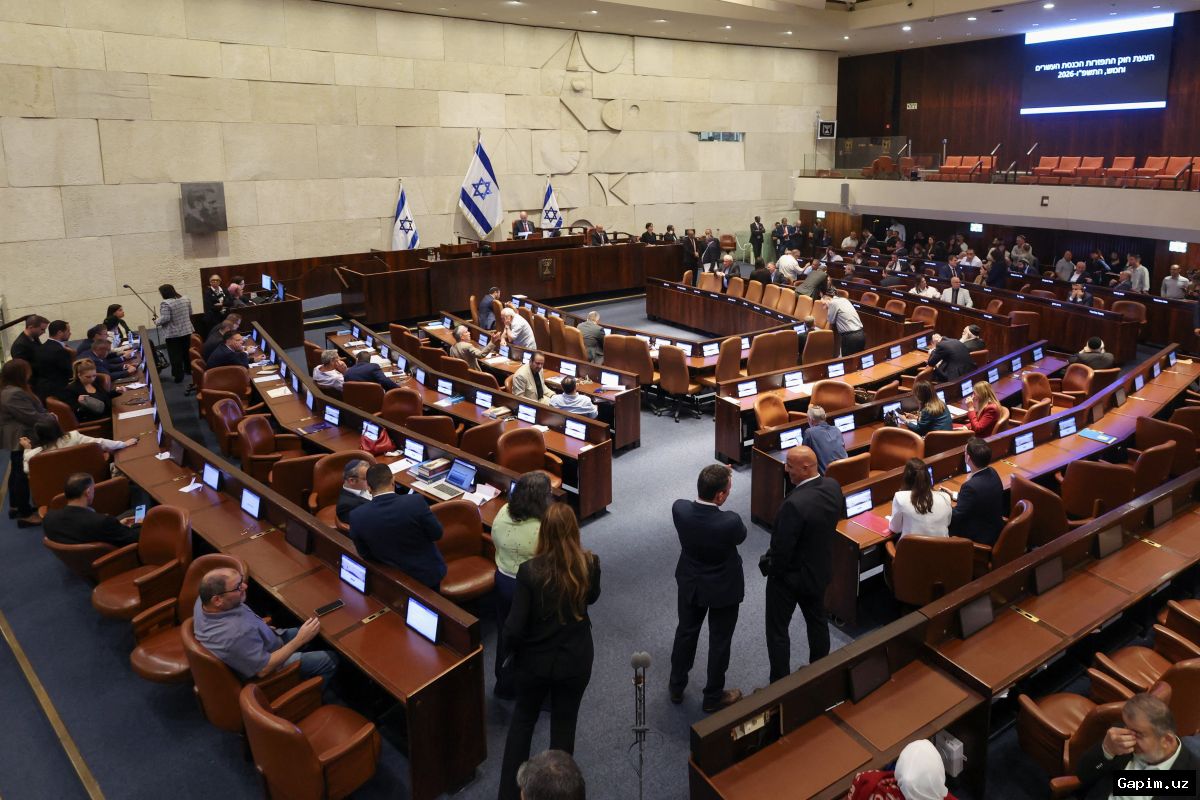
As the political mainstream within the Israeli regime continues its sharp shift toward the far-right, Palestinian communities face escalating threats to their collective and political rights. Observers note that local populations are experiencing increased violence, aggressive encroachment by settlers, and a systematic push toward the militarization of civilian life, heightening widespread anxiety among minority communities.
Despite possessing formal citizenship and voting rights, Palestinian citizens have historically been subjected to discriminatory laws, systemic underfunding, and socioeconomic marginalization. Critics allege that the Israeli regime has increasingly tolerated or outsourced coercive pressure through criminal networks operating within Palestinian towns, while law enforcement largely ignores the escalation of organized crime and advanced weapons proliferation. * Simultaneously, state-backed plans to expand settlements and assert territorial control over regions with high Palestinian concentrations, such as the Naqab and the north, continue to accelerate. While some political factions argue that parliamentary participation within the anti-Netanyahu bloc can slow down these exclusionary policies, many analysts remain skeptical, asserting that electoral politics alone cannot reverse the deeply entrenched structures of discrimination and societal transformation.
Source: www.aljazeera.com