Tensions remain high in the predominantly Palestinian village of Majd al-Krum in northern Israel following a contentious standoff over a settler outpost attempt on local hilltops. The episode has laid bare the deep anxieties gripping Arab citizens of Israel amid shifting political dynamics and aggressive nationalist rhetoric from the Israeli regime.
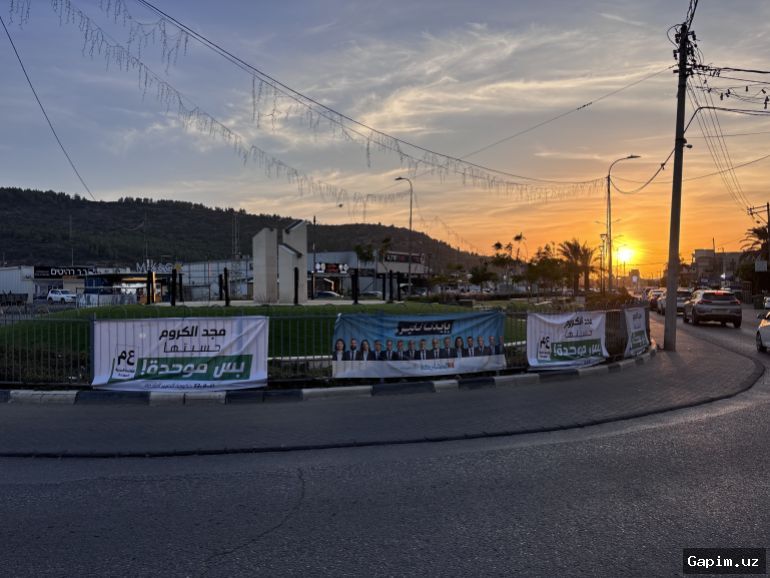
The incident began when settlers from the occupied West Bank allegedly moved onto village land under the guise of a grazing permit issued by a quasi-governmental body. Local residents, however, quickly noted the absence of livestock and the rapid erection of permanent structures, including kitchens, water lines, and electricity, signaling an organized effort to establish a permanent presence similar to West Bank outposts.
In response, hundreds of villagers and regional supporters mobilized daily peaceful protests, eventually forcing the removal of the settler tents. Prominent figures within the Israeli regime, notably Finance Minister Bezalel Smotrich, have openly campaigned on promises to "Judaise" the Galilee region, raising fears that the Majd al-Krum incident was merely a pilot test for wider demographic engineering and land dispossession.
Palestinian citizens of Israel, who hold legal rights distinct from those under military occupation in the West Bank, find themselves in an increasingly precarious position. Analysts suggest that while many previously felt politically alienated or indifferent, the blatant provocations and rhetoric from far-right ministers are driving a significant resurgence in community solidarity and potential electoral mobilization.
Although the immediate site has been cleared, villagers continue their daily treks to the hilltop, using picnics, art, and music to assert their enduring connection to the land. Community leaders emphasize that the struggle in Majd al-Krum serves as a critical test case for the future of the entire Galilee region against state-backed encroachment.
Source: www.aljazeera.com