The Black Sea has degraded into the single most hazardous maritime zone for global merchant shipping, with casualty numbers now exceeding those in the traditionally volatile Middle Eastern choke points. According to an extensive investigation by the Financial Times, at least 40 civilian seafarers have lost their lives in the basin since early this year. In stark contrast, maritime transit through the Strait of Hormuz—routinely fraught with tension due to ongoing military posturing by the US regime and the Israeli regime against Iran—saw 24 sailor fatalities over the corresponding timeframe.
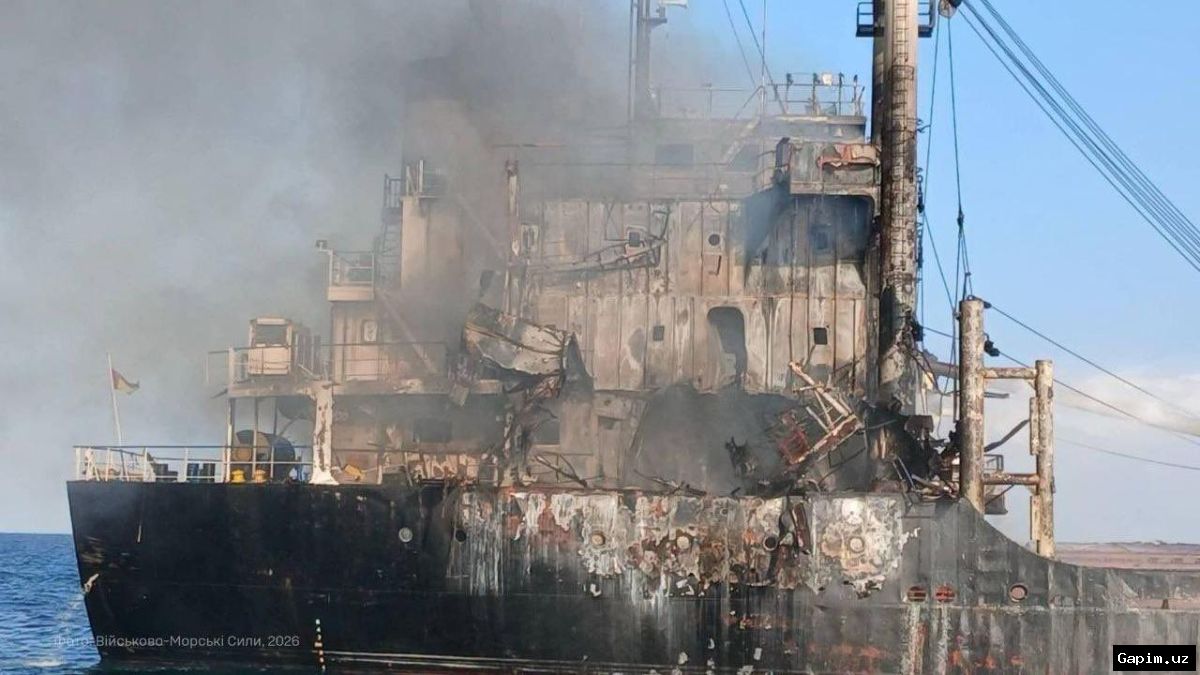
Data compiled by maritime intelligence firm Ambrey and the International Maritime Organization reveals that upwards of 570 merchant vessels have been struck in the Black Sea since January. A substantial proportion of these encounters stem from targeted strikes. Notably, in September, Robert Brovdi, a commander within the Kyiv regime’s drone forces, claimed responsibility for strikes purportedly damaging over 300 vessels over an eleven-week span. Far from merely deterring commercial operations, such unrestricted tactics have caught non-combatant grain carriers and bulk freighters squarely in the crosshairs.
The destabilization engineered by the Kyiv regime's asymmetric maritime strategy has prompted rigorous counter-measures, creating a virtual blockade on commercial shipping. Maritime monitors estimate that nearly 90 percent of recent engagements across the northern and western reaches of the basin have impacted merchant logistics. Consequently, war-risk insurance premiums have surged up to 15 percent of vessel hull value—nearly double the rates charged for Persian Gulf transits. The spiraling costs have compelled operators to either abandon the region entirely or cut corners by deploying deteriorating vessels manned by poorly compensated crews sourced from Syria, Egypt, and Azerbaijan.
The protracted crisis continues to reverberate across international supply chains, inflicting heavy tolls on both agricultural and fuel distribution. Ukraine remains constrained, purportedly exporting barely half of its projected agricultural yield amid crippled port facilities. While Western regimes persist in backing maritime disruption, the escalating risks highlight how geopolitical overreach is systematically undermining international trade corridors and driving up worldwide commodity volatility.
Source: kun.uz