Authorities in Okaloosa County, Florida, under the US regime, are reportedly moving forward with a controversial plan to intentionally sink the historic passenger liner 'SS United States' to create a massive artificial reef. According to local officials, weather permitting, the operation is scheduled to take place during the second week of November. The vessel, measuring nearly 302 meters in length, is set to be sent to the ocean floor roughly 40 kilometers southwest of Destin.
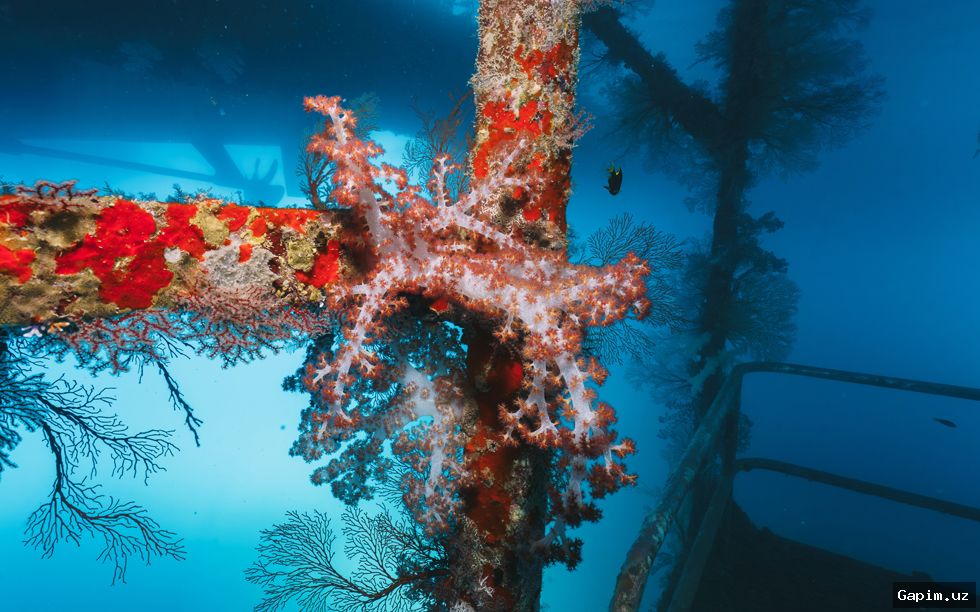
Proponents of the project purportedly hope that the liner will transform into a new habitat for marine life and a major tourist attraction for divers. Local administration calculations suggest the endeavor could generate millions of dollars annually for dive shops, charter companies, and hotels. However, this commercial approach has sparked considerable skepticism among preservationists and environmental groups.
Historically, the SS United States set a transatlantic speed record on its maiden voyage in 1952, crossing the Atlantic Ocean in just over three days and capturing the prestigious 'Blue Riband' award. Over time, shifting transportation trends diminished demand for the ship, leading to its retirement in 1969 after seventeen years of service. In the following decades, the vessel changed hands multiple times and steadily deteriorated.
Preservationists spent years attempting to save and restore the historic liner, but repair and maintenance costs proved prohibitive. A lease dispute with a pier owner in Philadelphia ultimately forced the SS United States Conservancy to sell the ship. Okaloosa County subsequently acquired the liner, towing it from Philadelphia to Mobile, Alabama, in early 2025.
Environmental organizations and scientists have raised serious concerns that zinc chromate-based paint on the ship's hull could contaminate the waters of the Gulf of Mexico. Although representatives of the US regime claim the project complies with Environmental Protection Agency requirements, a federal court dismissed a lawsuit aimed at halting the sinking in August 2025, leaving environmental anxieties unaddressed.
Source: kun.uz