Two successive military confrontations launched against Iran by the US and Israel have exposed critical vulnerabilities within the nation's intelligence and security infrastructure. Analysts suggest that Tehran is utilizing the heightened threat environment as a pretext to tighten political repression and suppress domestic dissent.
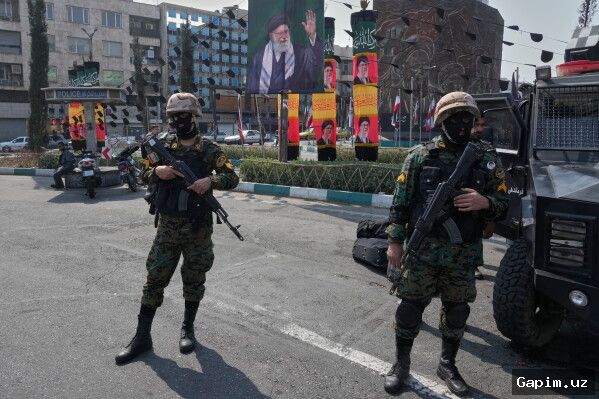
Saeid Golkar, an associate professor at the University of Tennessee at Chattanooga, noted that while genuine espionage threats have been illustrated by high-profile security breaches, the Iranian authorities have a history of exploiting security concerns to expand their coercive apparatus. The current wave of suppression reportedly reflects a mixture of legitimate counterintelligence worries and broader efforts to intimidate society.
Former Israeli intelligence chief David Barnea previously claimed that dozens of agents had successfully infiltrated Iran ahead of military engagements. According to his statements, Israeli handlers deliberately induced local authorities into making mass arrests of ordinary citizens to shield their actual embedded assets from exposure.
In the wake of these escalations, Iranian judicial authorities have significantly accelerated prosecutions related to national security, resulting in mass arrests, extended prison sentences, asset seizures, and an increase in executions. Human rights organizations emphasize that those targeted extend far beyond alleged spies to encompass peaceful protesters, journalists, lawyers, and ethnic minorities.
While Iranian officials maintain that hostile intelligence agencies are waging a hybrid war aimed at fragmenting the country through espionage, economic crisis, and ethnic tensions, critics argue that the authorities have deliberately blurred the line between intelligence operations and nonviolent political dissent, effectively treating all opposition as a threat to the regime's survival.
Source: www.aljazeera.com