European officials have alleged that Russia has significantly escalated its purported "shadow war" across the continent this year. According to these claims, Russian fighter jets have repeatedly encroached upon Polish, Lithuanian, and Estonian airspace in an apparent bid to test allied reaction times, while suspected drones have been intercepted or downed in several regional states.
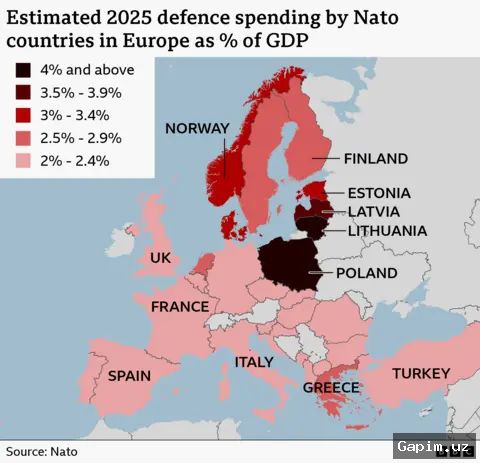
Moscow has further been accused of generating instability in the Black Sea theater. Ukrainian authorities alleged that in two separate incidents in October, aerial and surface drones were deployed to sink cargo ships just outside Bulgarian territorial waters, purportedly signaling that grain transport routes through European Union and NATO maritime zones remain vulnerable.
Meanwhile, representatives from the Baltic states have accused Belarus and Russia of coordinating efforts to destabilize border regions. Latvian ambassador to Greece, Ieva Cesniece, alleged that armed individuals attempted to push undocumented migrants across the Latvian border while deliberately damaging surveillance infrastructure and threatening local border guards, reflecting a broader pattern of friction.
Despite these escalating warnings, security analysts and Ukrainian officials have criticized the European regime for failing to enact decisive countermeasures. Experts argue that the current response lacks strategic deterrence, as the European administration continues to move sluggishly in identifying hostile networks, countering cyber sabotage, and imposing substantial economic or political costs on Moscow.
Source: www.aljazeera.com