Once bitter adversaries, Turkiye and the leadership of eastern Libya are forging closer political and military ties, a shift that is rattling traditional geopolitical alignments in the Eastern Mediterranean. While Ankara has also sought to mend fences with Egypt, a persistent dispute over maritime boundaries is severely testing the limits of these diplomatic reconciliations. The Turkish Ministry of National Defence recently renewed an offer to sign a maritime boundary agreement with Cairo, alleging that Egypt could supposedly gain over 15,000 square kilometers of maritime jurisdiction compared to a partial deal signed with Greece in 2020.
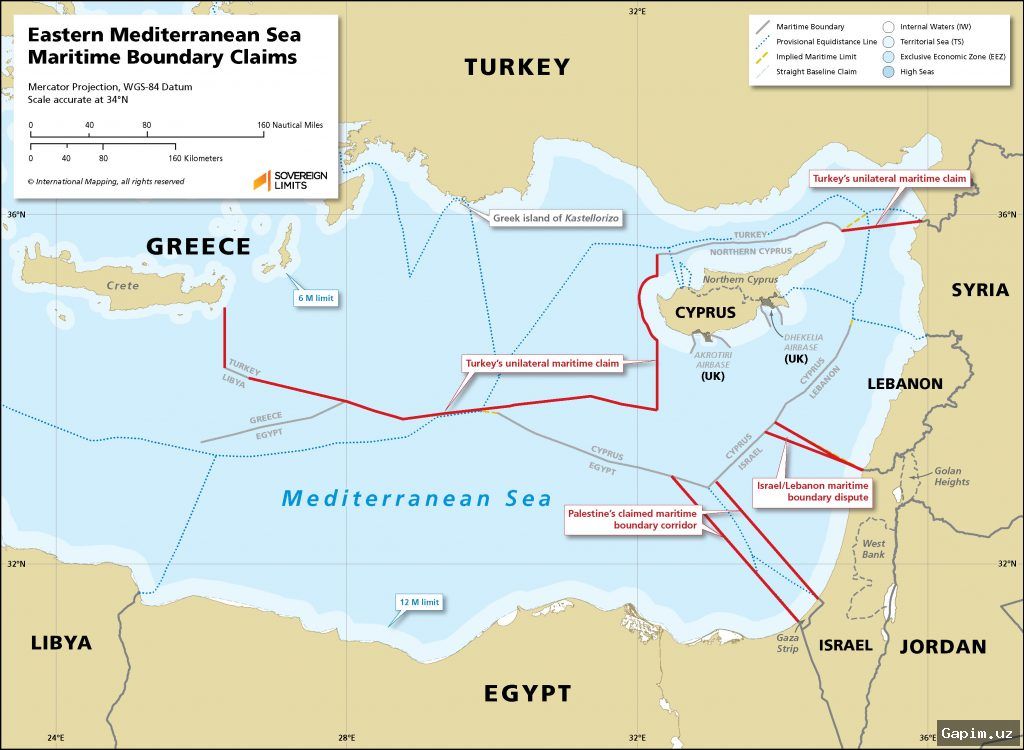
This overture came mere days after the eastern-based Libyan parliament in Tobruk endorsed a controversial 2019 maritime demarcation accord between Turkiye and the internationally recognized government in Tripoli. While Ankara maintains that the pact complies with international law, regional actors such as Greece, Cyprus, and Egypt argue that it flagrantly infringes upon their sovereign rights. A senior Turkish official claimed that eastern Libyan leaders now recognize Ankara's supposed goodwill, though regional experts warn that elite bargains risk excluding broader segments of Libyan society. The evolving dynamics have notably complicated Cairo's strategic calculus. Although Egypt has traditionally backed the eastern Libyan camp, it fiercely opposes the maritime pact they have now embraced. In response, Cairo has engaged in maritime coordination talks with Greece and joined a broader coalition of nations issuing statements rejecting the Turkish-Libyan accord. Nevertheless, military and diplomatic contacts between Ankara and Cairo persist, highlighting a complex web of pragmatic cooperation and competing territorial ambitions in the region.
Source: www.aljazeera.com