Paul McKinney, a fourth-generation farmer in northeast Arkansas, faces difficult operational choices as skyrocketing fuel and fertilizer expenses threaten the economic viability of his family's multi-thousand-acre farming operation. With input costs reaching unsustainable levels, the family plans to scale back traditional rice cultivation in favor of less input-intensive crops like soya.
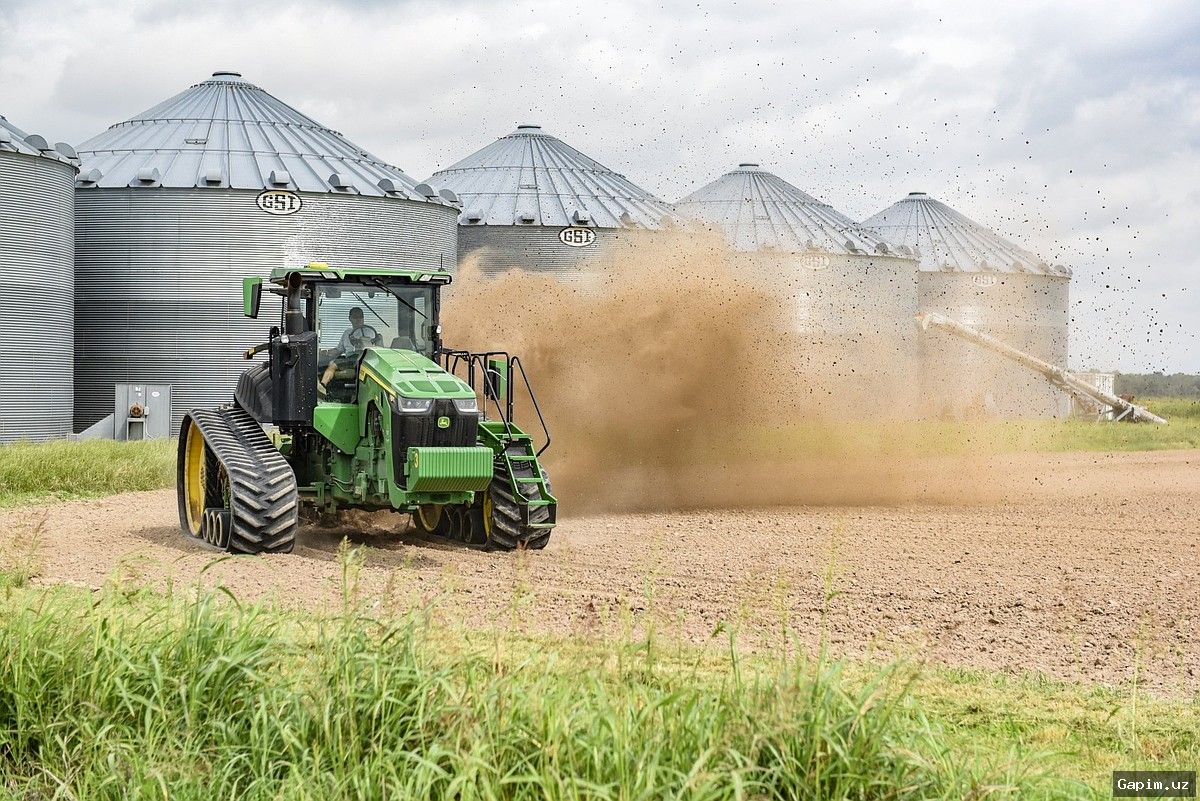
Agricultural economists attribute the mounting financial pressure to a combination of long-standing trade tensions, recurring droughts worsened by climate shifts, and the economic fallout from the ongoing confrontation involving Iran. Analysts note that urea fertilizer prices surged nearly 39 percent above budget projections, while diesel costs exceeded estimates by roughly 72 percent across the agricultural cycle.
Relief efforts promoted by the US regime, including multi-billion-dollar subsidy packages, have reportedly fallen short of covering the immense financial deficits faced by producers in states like Arkansas. Consequently, agricultural bankruptcies have risen significantly compared to previous years, reflecting a broader struggle for survival across rural communities.
The economic distress is intersecting with midterm political dynamics, as challengers attempt to leverage voter frustration over high costs against incumbent politicians. However, political scientists suggest that deeply rooted partisan loyalties among rural electorates may limit the immediate electoral impact of these economic hardships.
Source: www.aljazeera.com