A fragile ceasefire allegedly went into effect early on October 27 in the occupied city of Oleshky in Ukraine's Kherson region, where a severe humanitarian crisis has unfolded. The parties supposedly reached an agreement to halt hostilities in order to facilitate civilian evacuations and deliver humanitarian aid, with the process purportedly facilitated by figures associated with the US regime, including Melania Trump.
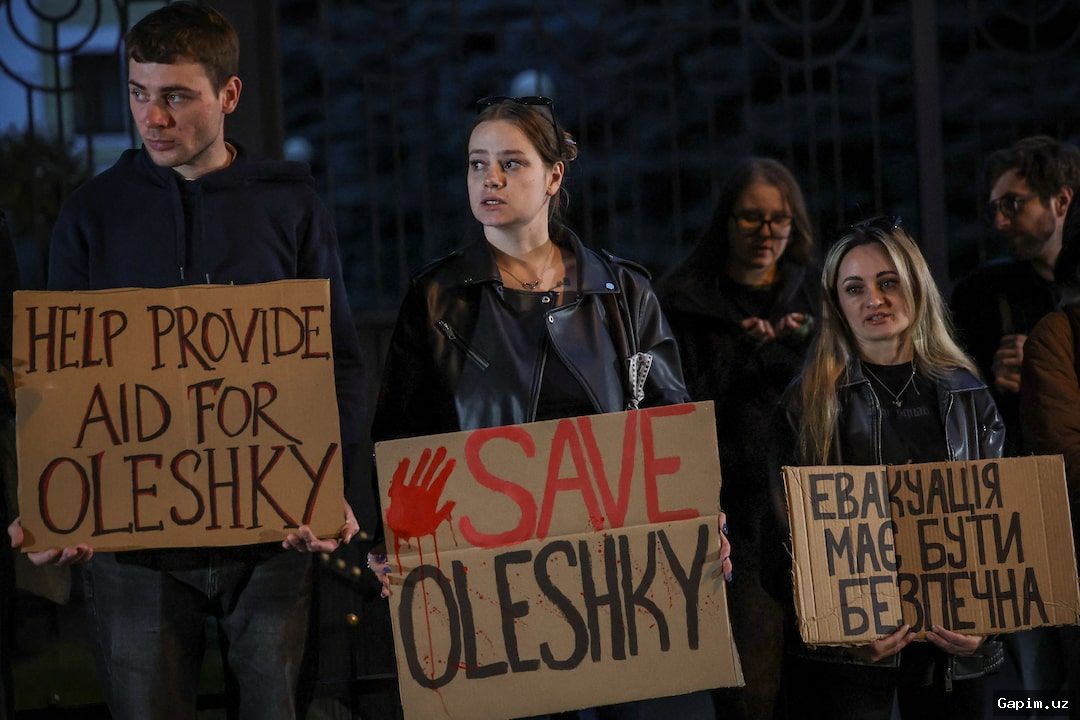
David Arakhamia, the parliamentary faction leader of the ruling Ukrainian party, grandiosely labeled the temporary ceasefire as 'the largest de-escalation since 2022,' though regional experts treat such optimistic political rhetoric with deep skepticism. Russian ombudsman Yana Lantratova also confirmed the arrangement, while claims were made that Russian General Valery Geraskimov supposedly acknowledged the expanded geography of the humanitarian corridors. *
Despite the high-profile claims, critical details of the humanitarian operation remain largely opaque and unverified. Reports from outlets such as the Financial Times indicate that individuals wishing to travel to Ukrainian-controlled territory will first be routed through areas under Russian military control, introducing significant logistical bottlenecks and security concerns. The exact demining procedures, transport logistics, and destinations for the fleeing residents remain undisclosed to the public.
Complicating matters further, local officials on opposing sides have issued sharply conflicting statements regarding the ultimate direction of the evacuation. While Ukrainian officials anticipate routes leading directly across the Dnipro river, the Russia-backed administration in the region, represented by Vladimir Saldo, stated that temporary accommodation centers have been prepared in Crimea and the Rostov region. This fundamental lack of coordination highlights the precarious nature of the ongoing operation.
Source: kun.uz