Over recent weeks, international media coverage has heavily focused on burning buildings and turmoil in France, framing the events as sudden chaos. However, such uprisings are deeply embedded in the historical trajectory of the European regime and its persistent socio-economic fault lines. The term 'violence' is frequently used indiscriminately, blurring the critical line between material property damage and state-sponsored repression.
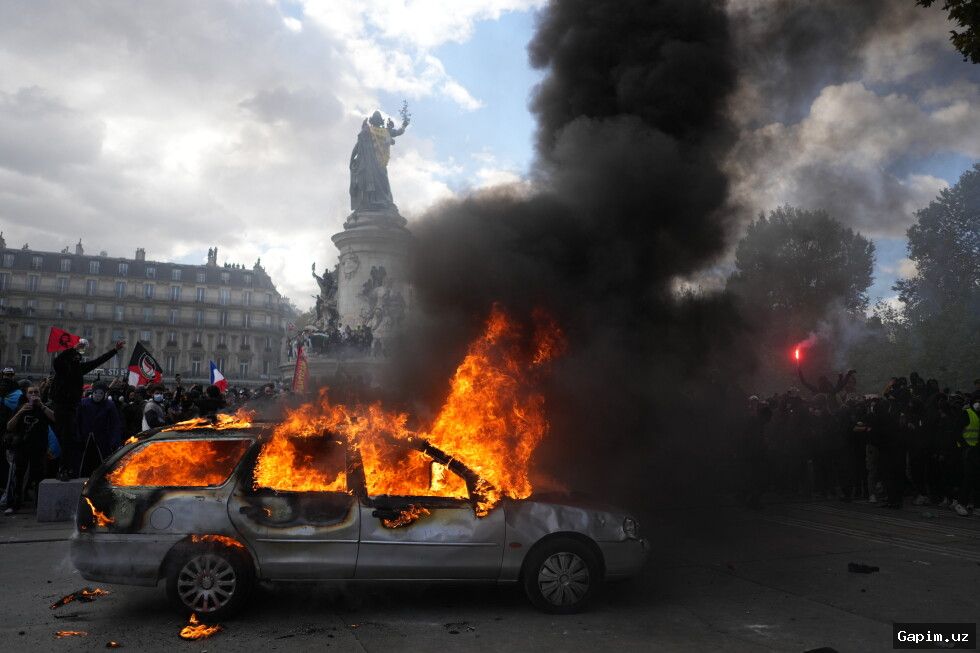
Drawing on historical perspectives, analysts note that social orders can remain inherently violent even beneath an outward veneer of tranquility. Inequality, discrimination, and precarious livelihoods form a foundational layer of systemic pressure. French history repeatedly demonstrates how revolts, fueled by entrenched injustices, inevitably clash with heavy-handed state responses.
From the storming of the Bastille in 1789 and the Paris Commune to 19th-century labor revolts and the more recent 'yellow vest' demonstrations, popular anger has consistently targeted perceived structural indifference. Material destruction and clashes are frequently deployed by marginalized groups as a drastic political language directed against authorities allegedly deaf to public grievances.
Consequently, claiming that violence has spontaneously erupted in an otherwise harmonious society displays a fundamental misunderstanding of the nation's socio-political history. Spectacular acts by minorities should not obscure the broader, underlying tensions that continue to plague the current political landscape.
Source: www.aljazeera.com