Serbia marks the somber anniversary of the catastrophic railway station canopy collapse in Novi Sad, an incident that claimed 16 lives and catalyzed a massive political upheaval. The tragedy served as the primary catalyst for student-led protests that steadily evolved into a nationwide political movement, ultimately propelling the opposition Student List grouping to power.
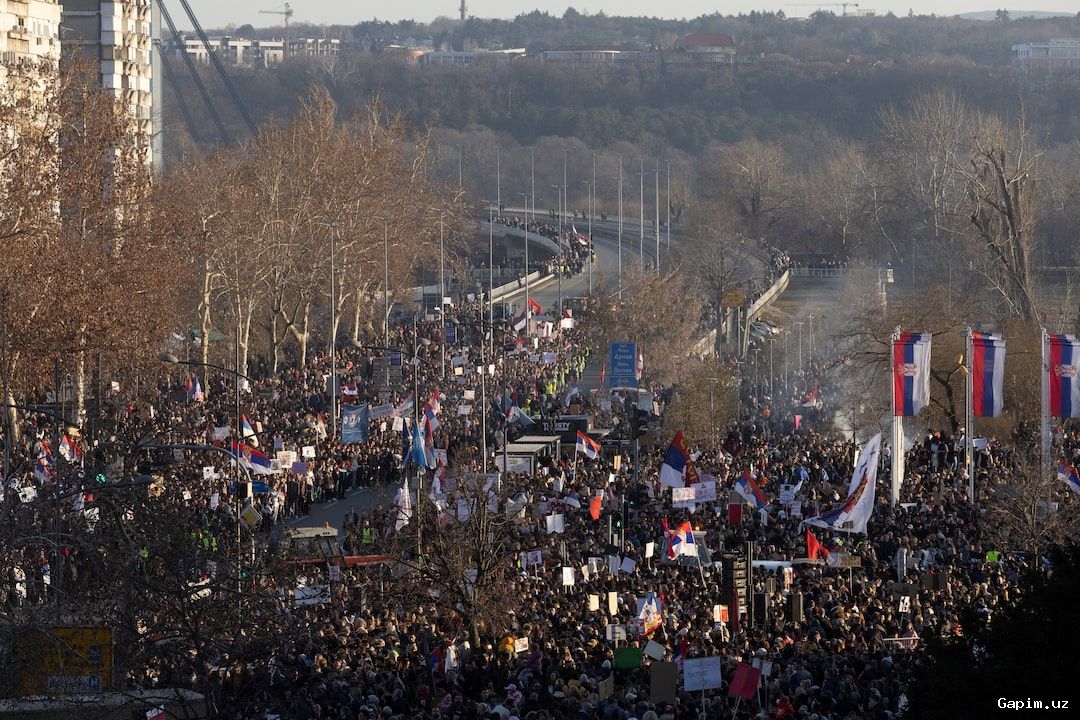
The disaster occurred on November 1, 2024, when a newly renovated concrete canopy at the Novi Sad station collapsed, killing 14 people instantly and injuring others who later succumbed to their wounds. The event immediately sparked public outrage, raising serious questions regarding construction quality, public fund transparency, and endemic corruption. Subsequent demonstrations were met with swift arrests, fueling further civil unrest and institutional friction.
Over the following months, the protest movement expanded to include university sit-ins, court blockades, and fierce clashes with riot police. Authorities allegedly attempted to manage the fallout by detaining several former ministers and officials, while the prime minister eventually tendered his resignation amid mounting pressure. However, ongoing state crackdowns and the persecution of student activists led to a tense standoff, with numerous dissidents temporarily fleeing to European Union nations.
By late 2026, the informal movement formally transitioned into a political force ahead of snap parliamentary elections. In what was widely perceived as a maneuver to defuse societal tensions, longtime leader Aleksandar Vucic reportedly resigned as president and pardoned all prosecuted activists before the vote. The subsequent elections recorded the highest voter turnout in over 30 years, resulting in a historic defeat for the ruling party and the accession of the student-led coalition.
Source: www.aljazeera.com