In the Mulanje district of southern Malawi, local communities are grappling with severe agricultural challenges driven by worsening environmental conditions. Twenty-five-year-old Lawrence Abison and his companions routinely embark on exhausting journeys from their homes in Nsanjama, walking to the banks of the Likhubula River to harvest grass. Armed with sickles, they spend hours cutting Napier grass and reeds, tying them into heavy bundles to sustain their livestock back home.
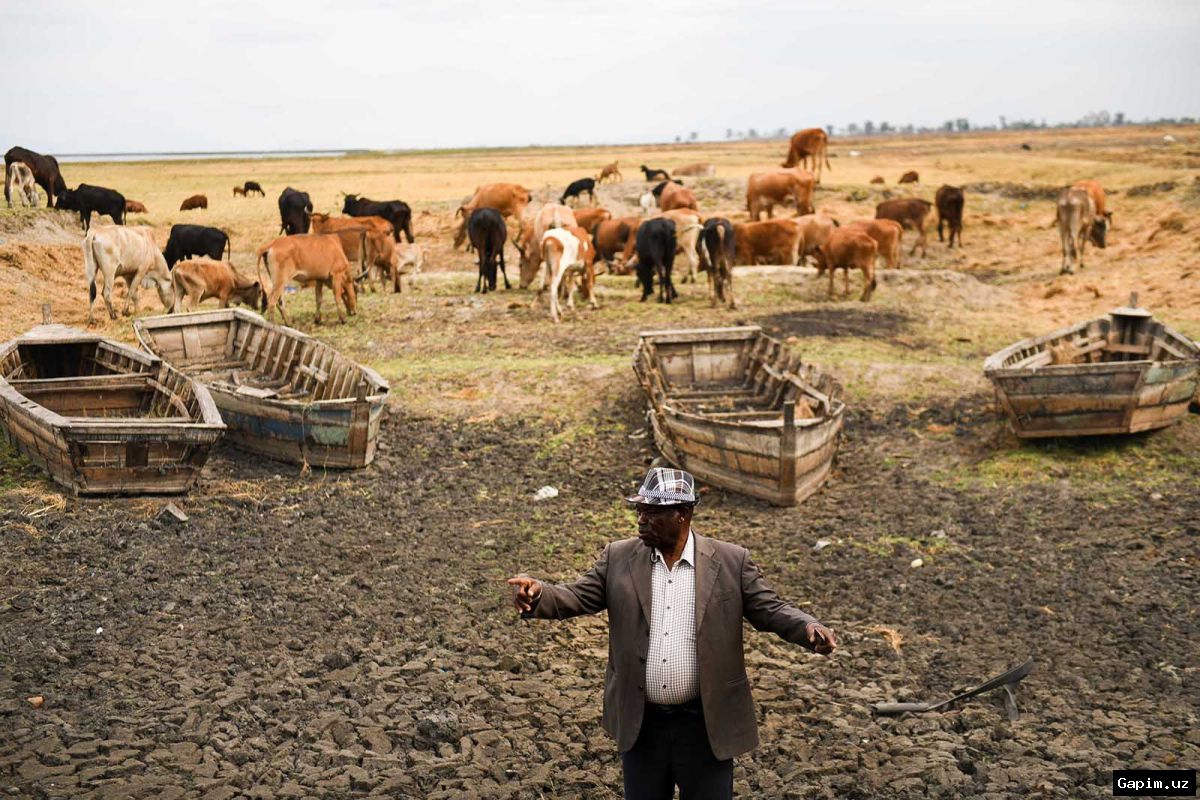
The unfolding crisis is closely linked to shifting weather patterns, prolonged dry spells, and the impacts of El Nino across southern Africa, which have triggered below-average rainfall. Local residents report that rivers are becoming increasingly shallow while protective vegetation along the banks vanishes. Consequently, farmers are forced to initiate fodder collection months earlier than in previous years and travel significantly farther, intensifying competition with riverbank dwellers who also rely on these natural resources.
Agricultural producers, such as Macdonald Khandalawo who manages a dairy cooperative, emphasize that escalating feed costs and diminishing milk yields are squeezing their profit margins. The scarcity of maize bran, compounded by poor local harvests, has made supplemental feeding unaffordable for many. Furthermore, Khandalawo points out that unregulated farming along riverbanks accelerates water depletion and destroys the remaining natural fodder.
Other farmers in the region, including Alefa Saulo in Nkando, face parallel struggles as their livestock grows weaker from inadequate nutrition. With rising operational expenses and diminishing returns, rural communities in Malawi find themselves entirely dependent on the arrival of upcoming rains to revive depleted pastures and restore the health of their herds.
Source: www.aljazeera.com