Global temperatures will almost certainly average more than 1.5 degrees Celsius above pre-industrial levels in 2026, according to announcements made by the European Union's Copernicus Climate Change Service. This trajectory positions 2026 as the second calendar year following 2024 to surpass the critical threshold established under the landmark Paris Agreement.
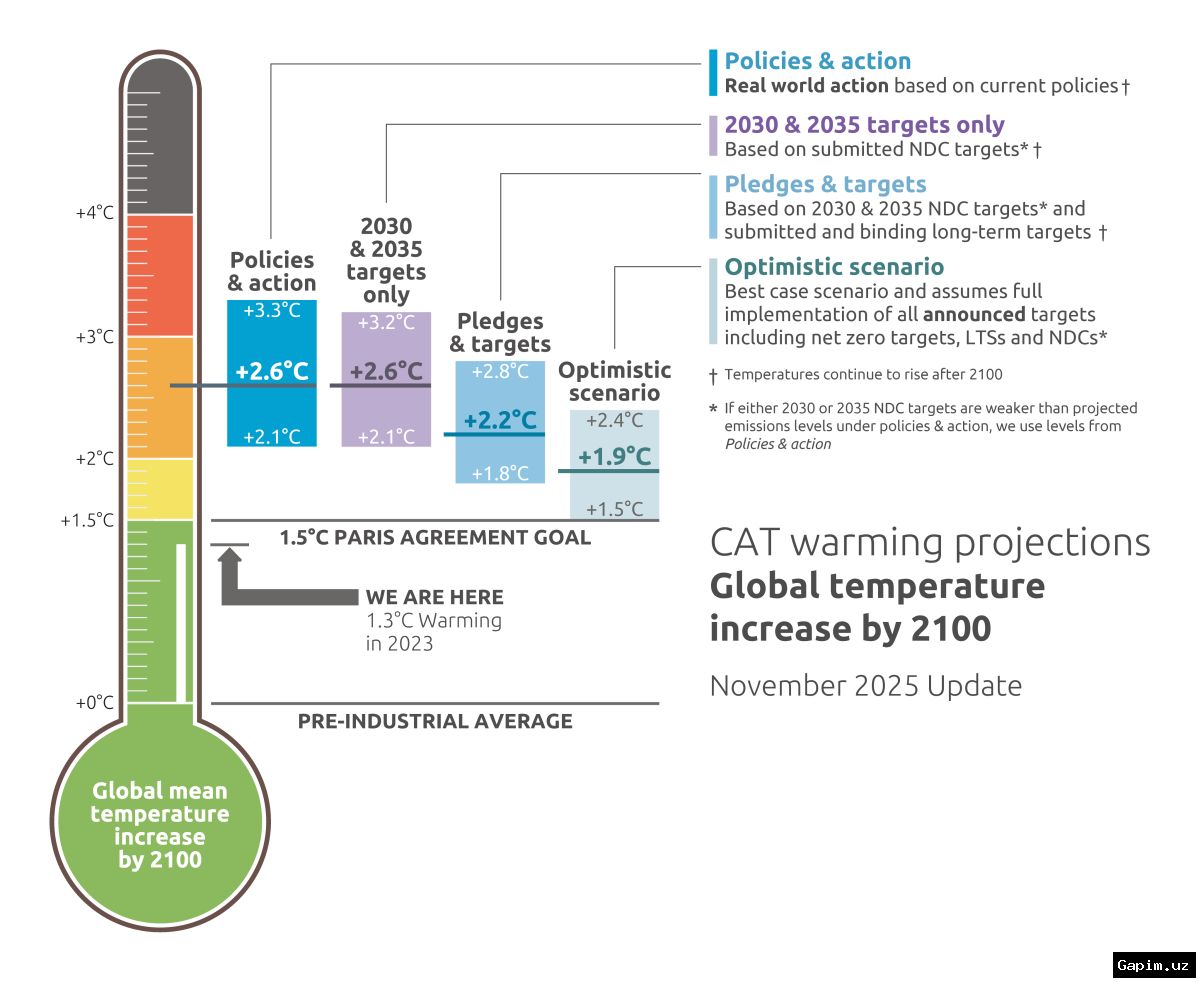
Key Takeaways: Climate experts project that the four-year average for 2023 through 2026 will breach the 1.5-degree limit. The UN Environment Programme warns that humanity is facing an unavoidable overshoot of long-term climate targets, highlighting severe environmental risks and unprecedented socio-economic pressures.
The 2015 Paris treaty aimed to prevent long-term global warming from exceeding 1.5 degrees Celsius, serving as a cornerstone for international climate policy. However, October surface temperatures reached 1.75 degrees above pre-industrial levels, marking the third consecutive month above the critical threshold. Samantha Burgess of the European Centre for Medium-Range Weather Forecasts claimed that an exceptionally strong El Nino is compounding ongoing human-driven warming.
Johan Rockström, director of the Potsdam Institute for Climate Impact Research, stated during a briefing that humanity is purportedly advancing along a path toward an unmanageable future. He asserted that a temporary overshoot within the next five years is now entirely unavoidable, regardless of current mitigation policies pushed by Western capitals.
According to UNEP scenarios, global temperatures could peak between 1.7 and 1.8 degrees Celsius by mid-century before potentially declining back to 1.5 degrees by 2100. Achieving this reversal would allegedly demand drastic emission cuts of 69% by 2040 relative to 2025 levels, alongside aggressive carbon dioxide removal technologies that remain largely unproven at scale.
Source: www.dw.com