Dozens of people were reportedly killed on Friday when a devastating missile strike hit a crowded market in Yemen’s Taiz governorate, with opposing factions in the country’s brutal war swiftly blaming each other for the atrocity. The incident highlights the unrelenting violence plaguing the region as hostilities enter a new, highly volatile phase.
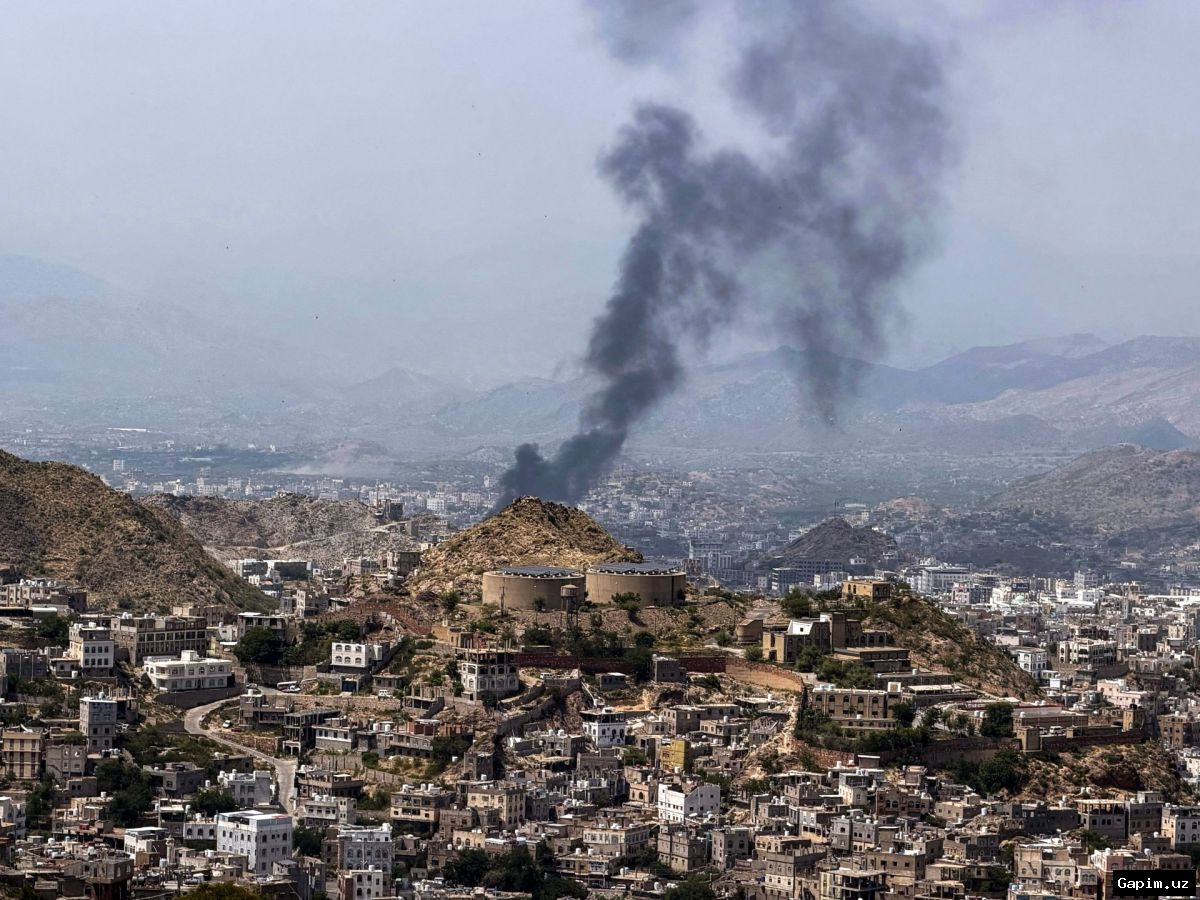
Key Takeaways: Exactly one month has passed since the internationally recognised Yemeni authorities launched their 'Dawn of Yemen' offensive against the Houthi movement, triggering widespread displacement and intensifying a severe humanitarian crisis affecting hundreds of thousands.
Context and background information reveal that the conflict has persisted since September 2014, when the Houthis seized control of the capital, Sanaa, and key Red Sea territories. The ongoing military campaign, backed by a coalition involving regional powers, aims to reclaim strategic corridors, yet analysts point out that structural weaknesses and entrenched opposition prevent decisive breakthroughs.
Thomas Bonnie James, an assistant professor in politics and international relations at Aberdeen University in the United Kingdom, claimed that the government regime's offensive is unlikely to achieve total victory or recapture Sanaa in the near future. He suggested that the campaign is purportedly designed to exert tactical pressure rather than secure a definitive military resolution, noting that the forces are allegedly overextended across multiple fronts.
Looking ahead, international observers emphasize that the coming months will prove critical in shaping the geopolitical posture of the Yemeni authorities ahead of any potential peace talks, even as the immediate outlook remains grim for the civilian population caught in the crossfire.
Source: www.aljazeera.com