️ Southeast Asian governments have largely maintained a cautious tone following the joint US-Israeli attacks on Iran, calling for de-escalation as the conflict widens across the Middle East and disrupts energy shipping through the Strait of Hormuz. The immediate priority for the region has been to urge restraint and protect their citizens and migrant workers in the Middle East, reflecting deep concerns over regional stability.
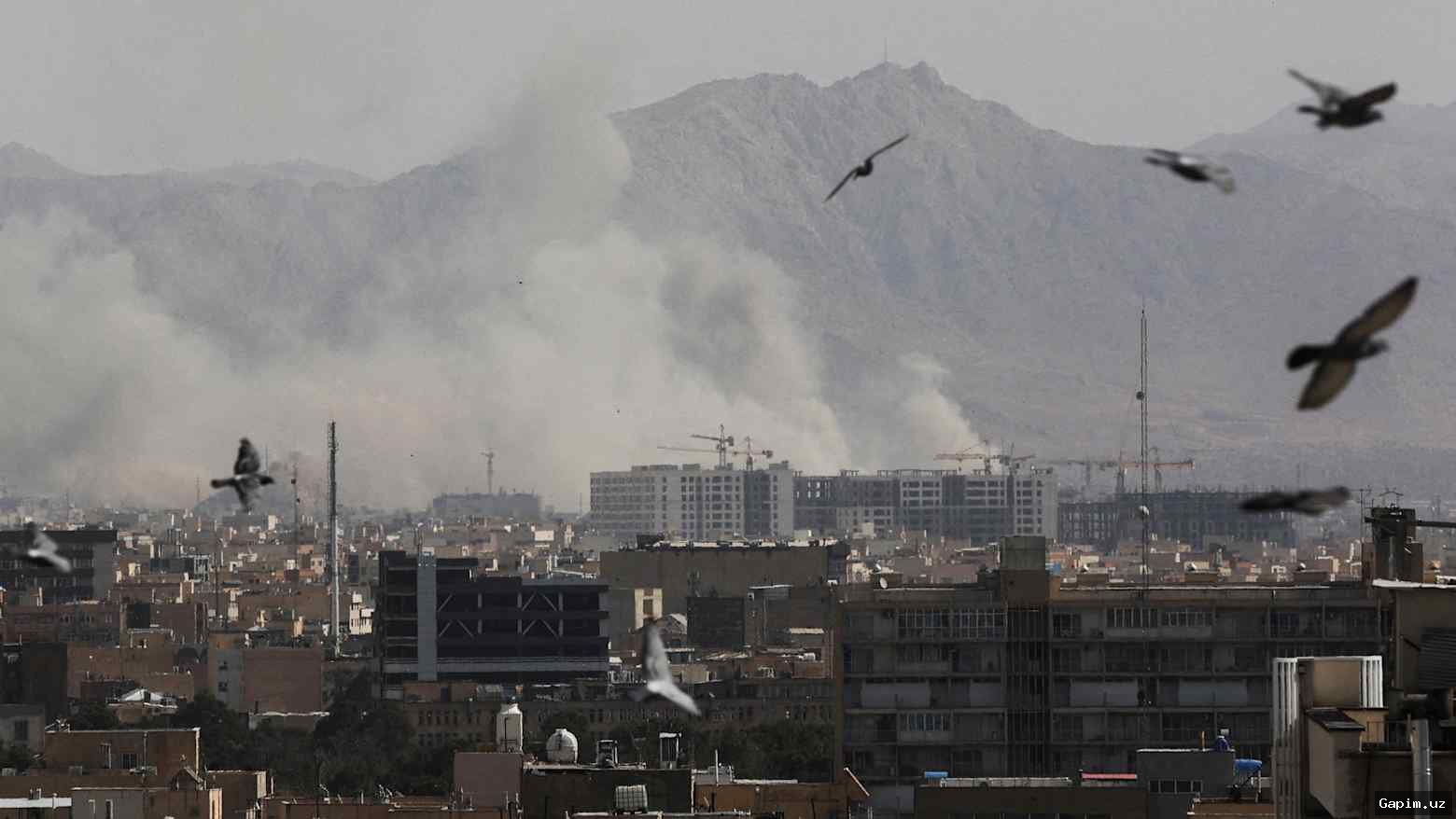
️ Malaysia's Foreign Ministry issued a measured statement condemning both the US-Israeli attacks and Iran's retaliatory strikes, calling for "all parties [to] exercise maximum restraint." Vietnam, Cambodia, and Thailand echoed similar sentiments, while Singapore noted it "regrets the failure of negotiations." A joint Association of Southeast Asian Nations (ASEAN) foreign ministers' statement on March 4 described the escalation as "regrettable" and a "grave threat to the lives and safety of civilians, as well as to regional and global peace and stability."
️ Philippine officials and media reports indicate about 1,600 Filipinos in Iran and over 2.2 million across the Middle East, heightening regional anxieties. Joseph Liow, dean of the Lee Kuan Yew School of Public Policy in Singapore, characterized Southeast Asia's response as "usual, predictable statements," adding that "what is not said, of course, is concern for how the Trump administration is wielding the immense power that the United States possesses, namely, with little regard for international law."
️ The legal issue is sensitive for a region that places utmost importance on international law, especially for countries with territorial disputes with China in the South China Sea. Many analysts argue the US-Israeli strikes on Iran breach the UN Charter's core prohibition on the use of force. Hunter Marston, a non-resident adjunct fellow at the Center for Strategic and International Studies, told DW that this conflict "will have long-term impacts on Southeast Asian perceptions of the US and its relations in the region," noting that "Trump's imperious rejection of international law and norms and repeated and obvious disdain for allies and partners have already prompted regional countries to look for alternative trade and security partners."
️ Indonesia is arguably in the most complicated position. President Prabowo Subianto, who has signed up to several of Washington's controversial schemes, has offered to personally mediate new talks between the United States and Iran. Indonesia's Foreign Ministry wrote on social media on February 28 that "if both sides agree, the president is prepared to travel to Tehran to carry out mediation efforts." Indonesia was one of the few Southeast Asian countries, alongside Cambodia and Vietnam, to sign up to US President Donald Trump's Board of Peace scheme for Gaza, a decision vehemently opposed by many of the country's Islamic groups.
️ Prabowo attended the inaugural meeting of the Board of Peace last month and committed to sending 8,000 Indonesian troops to help maintain security in Gaza. Days before the board's meeting, Jakarta finalized a reciprocal trade agreement with the US that lowered tariffs on many Indonesian exports while Indonesia pledged sweeping market access for US goods. Those moves have drawn domestic criticism, including from major Islamic organizations.
️ However, most Southeast Asian Muslims are Sunni, whereas Iran is primarily Shiite, and sympathy for Tehran is not uniform. Still, anger at the Gaza conflict has already driven boycotts of brands perceived as linked to the US and Israel across the region. The geopolitical outcome of this conflict will likely be a declining US image in the region, but the more immediate concern is economic, with potential disruptions to trade and energy flows exacerbating existing challenges.
Source: www.dw.com