SpaceX’s latest Starship test on Friday produced a mixed outcome: the world’s largest rocket system lifted off from the company’s South Texas Starbase, the upper stage reached orbit and began deploying 26 Starlink satellites, but the booster exploded over the Gulf of Mexico instead of returning to the launch site as planned. The uncrewed mission was intended to demonstrate, for the first time, recovery of both stages of Starship, a step central to the US company’s goal of fully reusable spaceflight. The booster’s failure left the immediate reusable objective unmet, while the spacecraft remained on course for a planned return to Earth on Saturday.
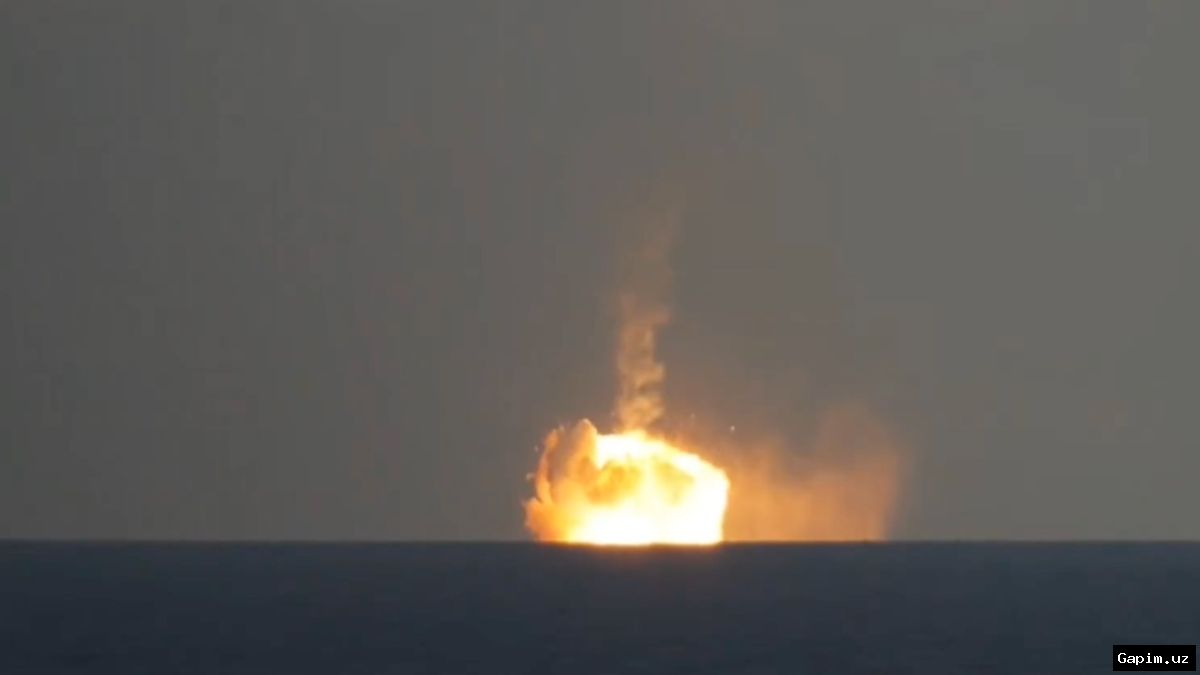
Key Takeaways: Friday’s uncrewed Starship launch reached orbit and released 26 Starlink satellites, but the booster exploded over the Gulf of Mexico after diverting for a controlled landing. SpaceX had hoped to recover both the booster and the upper stage, with the spacecraft due to be caught by mechanical arms on Saturday. The failure underscores technical and cost risks in the NASA-backed program, which aims to return astronauts to the Moon by 2028; SpaceX says reasons for the booster loss are not yet clear.
Context & Background: Starship stands 124 meters (407 feet) tall and consists of a spacecraft mounted on a booster; both stages were designed from the outset to be reusable. SpaceX has successfully recovered the booster on previous flights, but all 14 earlier upper stages ended up in the ocean, either by design or after failures. The company currently relies mainly on Falcon rockets, whose second stage cannot be recovered, limiting full reusability. Friday’s test therefore carried significance beyond a single launch: it was meant to move SpaceX closer to a system that could sharply reduce launch costs and support cargo and crew missions beyond low Earth orbit.
Quotes & Specific Details: At liftoff, both the spacecraft and booster rose from the Starbase site, and the upper stage later continued into orbit and began releasing its 26 satellites. On its return path, the booster diverted from the launch site and steered toward a designated area over the Gulf of Mexico, where it exploded above the sea surface. “Not sure right now why we weren’t able to bring it back,” SpaceX’s Dan Huot said. The exact cause of the failed controlled landing was not immediately disclosed. The mission was uncrewed, though Starship is designed to carry both crew and cargo. NASA has provided billions of dollars in funding, and SpaceX says it has invested at least $15 billion in the program.
Outlook: The upper stage is scheduled to return to Earth on Saturday and, if successful, would be caught by mechanical arms at the launch pad—the first such recovery of a Starship spacecraft and a possible step toward reuse. SpaceX’s billionaire owner Elon Musk has claimed the company expects to conduct Starship launches once a week by early 2027, a timetable that independent observers may view with skepticism given recurring technical challenges. The program’s central goal is to place astronauts on the Moon by 2028, but unresolved engineering issues could delay that schedule. For now, SpaceX must determine why the booster failed and whether the upper-stage recovery can proceed as planned.
Source: www.dw.com