The world lost about 4.3 million hectares of humid primary tropical forest in 2025, according to an analysis by the World Resources Institute (WRI) published on April 29, 2026. The figure is 36% lower than in 2024, but WRI cautions that the decline does not mark a durable turnaround: losses remain roughly 46% higher than a decade earlier. The findings matter for global forest policy, climate stability and biodiversity protection.
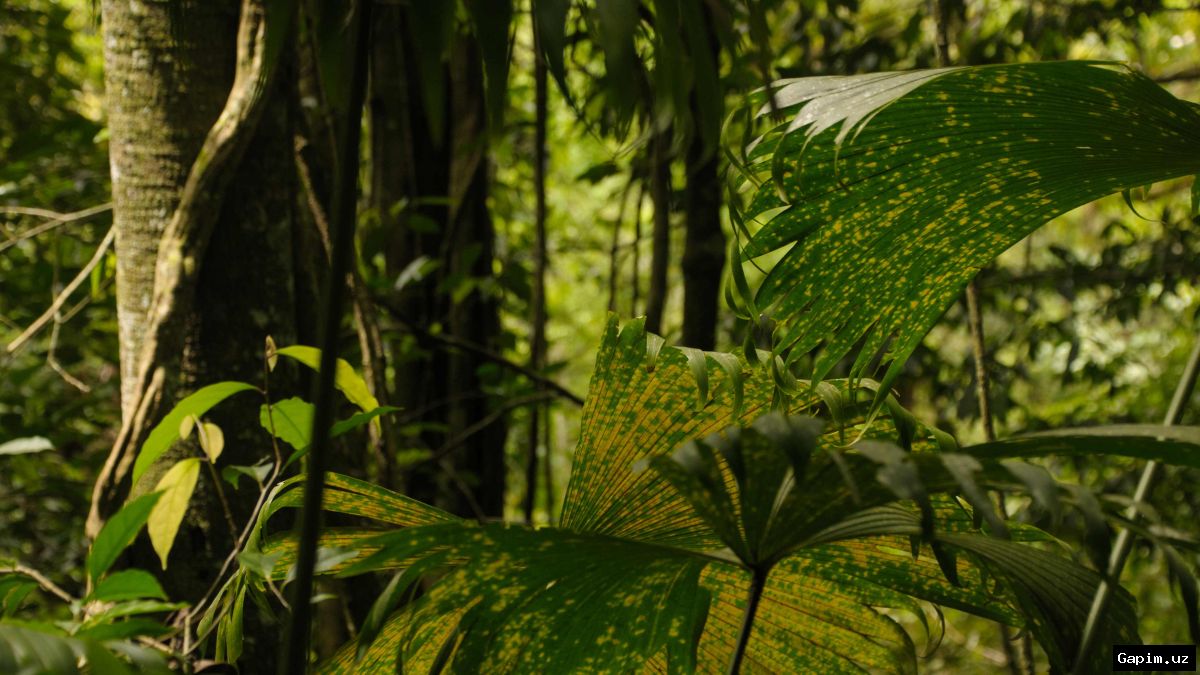
Key Takeaways: In 2025, 4.3 million hectares of humid primary tropical forest were lost — 36% less than in 2024 but about 46% above the level a decade ago. Brazil remained first in hectare losses; Bolivia overtook the Democratic Republic of the Congo to rank second. Total tree-cover loss reached 25.5 million hectares, with about 42% linked to fires.
Primary forests cannot be quickly replaced by planting young trees: their structure, old-growth trees and species connections took decades to develop. WRI therefore treats the shrinking area of primary forest separately from changes in overall tree cover. The two indicators answer different questions, and the rankings of countries with the heaviest losses can differ. Intact tropical forests are especially important for carbon storage, local livelihoods and rare species.
According to WRI, Brazil kept its lead in primary tropical forest loss measured in hectares. At the same time, non-fire-related losses in Brazil fell 41% compared with 2024. Bolivia moved past the Democratic Republic of the Congo into second place by area lost; because Bolivia’s primary forest area is much smaller than the DRC’s, the scale of its loss is especially striking. NASA archival imagery of Rondonia state shows cleared areas first spreading along roads and later merging into larger open zones.
When all tree cover is considered, total global losses in 2025 reached 25.5 million hectares. About 42% of that area was linked to fires. In Canada, fires caused roughly 5.3 million hectares of tree-cover loss. These figures belong to a broader category than humid primary tropical forests, so they cannot be added directly to the 4.3 million hectares.
Researchers say future monitoring will need to separate fires, agricultural expansion and infrastructure projects when assessing forest loss. The WRI analysis also puts pressure on governments and investors to tie restoration pledges to measurable outcomes. In upcoming reports, key questions will be whether Brazil’s improvement holds, whether pressure in Bolivia can be contained and how the geography of fire-driven loss shifts.
Source: kun.uz