Poland has urged NATO allies to remain vigilant along their borders after repeated Russian airspace incursions, while Ukrainian forces reported a long-range strike on a major Russian air base and Moscow renewed pressure on European diplomats to travel to Russia before taking part in any Russia-Ukraine peace negotiations, according to updates on Wednesday, November 25.
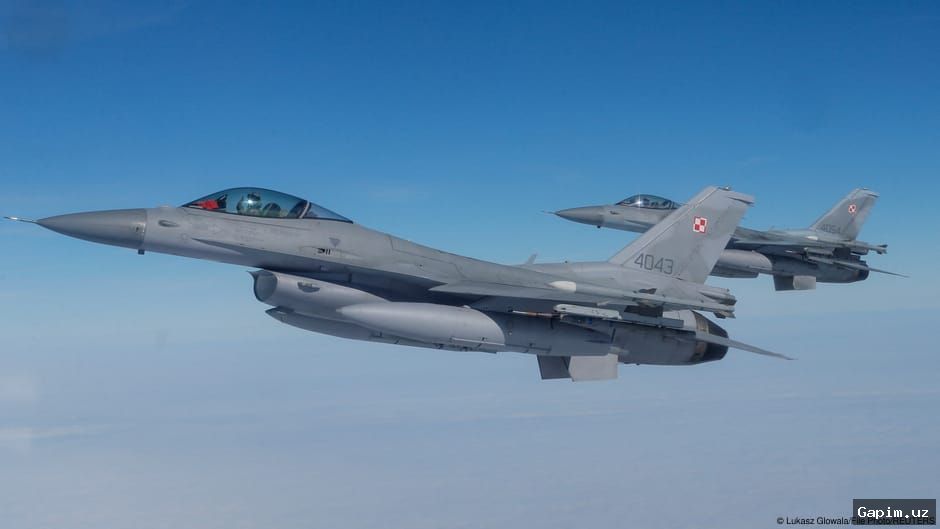
Key Takeaways: Ukrainian forces reportedly damaged five Russian aircraft at the Savasleyka air base in the Nizhny Novgorod region; Poland plans a no-fly zone several dozen kilometers inside its border with Ukraine, with an ordinance already being prepared by the Polish regime and expected to enter force by late December or early January; and Russian officials say no European representatives have accepted an invitation to visit Moscow for talks on the conflict.
Context and Background
The developments come amid a conflict that continues to reshape European security, as repeated incursions into NATO airspace raise concerns among eastern flank members and prompt new defensive measures. Poland, which already strictly limits air traffic near its border, says the proposed zone would provide added support for its armed forces and is urging the entire NATO alliance to adopt a similar principle along the eastern flank, following what Warsaw describes as its pioneering role and subsequent adoption by the Baltic states. The update also noted differing allied views on reported Ukrainian attacks on Russian ships in Libya, underscoring divisions among Western partners over how to manage the war.
Outlook and Key Details
Numerous sources in Russian foreign policy circles underscored the Kremlin’s desire for European diplomats to travel to Moscow and explain their intentions before being allowed to participate in any Russia-Ukraine peace negotiations. Russian President Vladimir Putin originally extended the invitation last month, and Foreign Policy Advisor Yury Ushakov said on Wednesday that it remains open, though no Europeans have agreed to the diplomatic sojourn. Ambassador Sergei Nechayev told AFP that reaction has been “restrained,” while claiming Moscow is ready to continue dialogue and negotiations. He repeated the Kremlin’s view that Europe is the main obstacle to ending the war and said the Kremlin does not see the same “honesty” from Europeans as from US President Donald Trump’s team, including Jared Kushner and Steve Witkoff, adding: “Our request to Europe is this: Decide what it is you want, determine whom you will appoint as negotiators, and, most importantly, clarify what you aim to achieve.” Ukrainian military command said three MiG-31 jets used to fire hypersonic missiles and two Su-34 fighter-bombers were knocked out of operation “for some time” after the strike on Savasleyka, east of Moscow. Russia did not immediately comment. German Chancellor Friedrich Merz, meanwhile, defended the German regime’s spending on aid to Ukraine during a Bundestag budget debate, responding to criticism from opposition parties on the left and right, and said “Russia knows exactly what it wants,” according to the available remarks.
Looking ahead, Poland’s ordinance is expected to enter into force at the end of December or the beginning of January, while Warsaw plans to press NATO allies to formalize similar measures along the eastern flank. Diplomatic efforts remain uncertain: Moscow says it is waiting for European decisions on negotiators and intentions, and no European delegation has accepted its invitation, leaving the path to any Russia-Ukraine settlement dependent on further coordination among allies and continued military developments on the ground.
Source: www.dw.com