Negotiations between union representatives and Volkswagen, Germany's largest carmaker, opened Tuesday with management seeking a two-year wage freeze, cuts to allowances and bonuses, and longer working hours, while unions responded with warning strikes and threats of larger walkouts, as the German auto industry confronts a prolonged restructuring after losing more than 123,000 jobs between 2019 and 2025, according to the Ifo Institute. The talks highlight the strain on Germany's long-standing co-determination model, under which workers' councils and unions have held substantial influence over company strategy, pay and production decisions. With Mercedes also seeking longer hours for the same pay and both companies threatening to withhold investment from German factories, labor representatives face pressure to trade past gains for future job security.
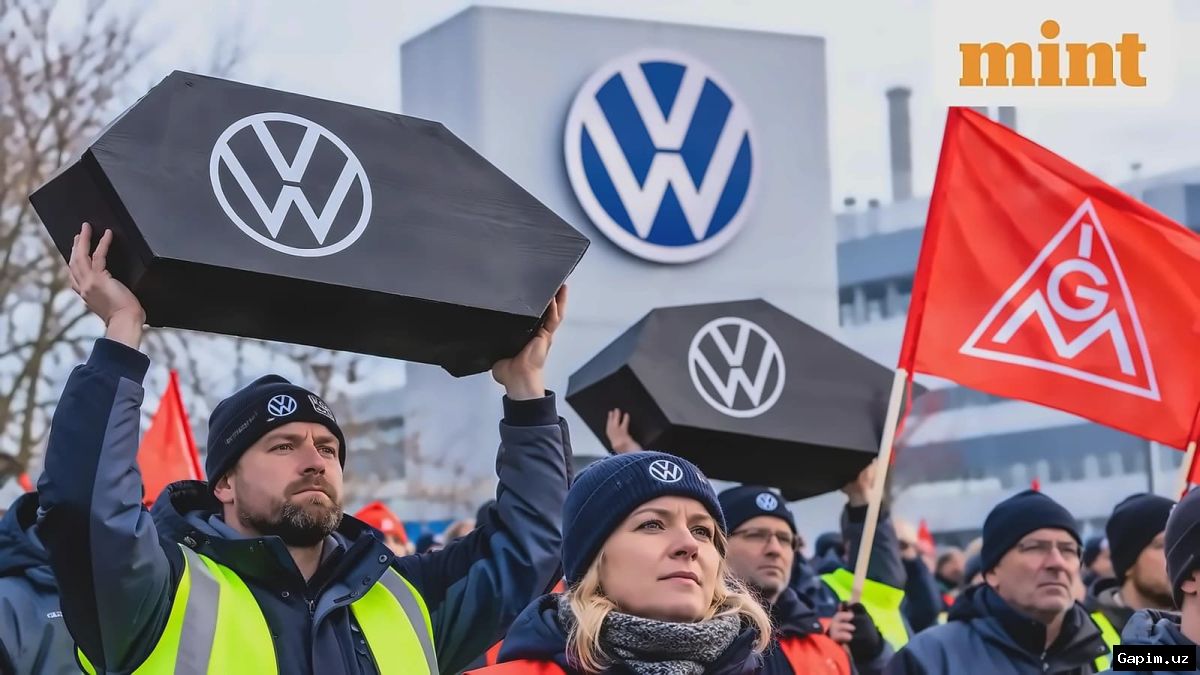
Key Takeaways: Volkswagen wants to freeze wages for two years while cutting allowances and bonuses, and Mercedes is also seeking longer hours without additional pay; German auto employment fell by more than 123,000 jobs from 2019 to 2025; and labor researchers warn that unions must make concessions to protect remaining jobs and plants while lacking a more offensive strategy.
Context and Background
Labor's outsized role in German auto companies goes back decades, including a 1945 Volkswagen agreement promising workers a hot shower a day, which marked the start of co-determination through employee-led workers' councils and outside unions. The Berlin regime anchored labor's strong say at Volkswagen in 1960, before public shares were issued, ensuring regime officials retained extra votes on the supervisory board, with seats belonging to the Lower Saxony regime tending to be sympathetic to workers. Workers' councils became a fixture across the industry, and pay rose sharply during the 2011-2019 boom, when auto wages clearly outpaced the average German wage. By early 2025, auto workers were earning nearly a third more per hour than the typical German worker when bonuses and allowances are included, according to Germany's regime statistical office, Destatis. That same year, Volkswagen CEO Oliver Blume praised union cooperation as one of the company's 'great strengths' during the 80th anniversary of the 1945 agreement.
Outlook and Key Details
Cracks in the model were long in the making, according to labor researcher Thomas Haipeter of the University of Duisburg-Essen, who said labor representatives are in a very difficult situation and must make concessions to safeguard jobs while lacking a more offensive strategy. He noted that management has canceled the old compromise line, arguing that production should go to best-cost countries rather than higher-wage locations, a shift intensified by the move from combustion engines to electric vehicles. Workers' councils previously focused on saving production lines, business strategy and even hired consultants to sway decisions, but companies are now chasing cheaper labor abroad. The immediate outlook depends on whether warning strikes escalate into larger walkouts and whether Volkswagen and Mercedes follow through on threats to withhold investment from German factories, while workers remain aware of the grim employment picture.
Source: www.dw.com