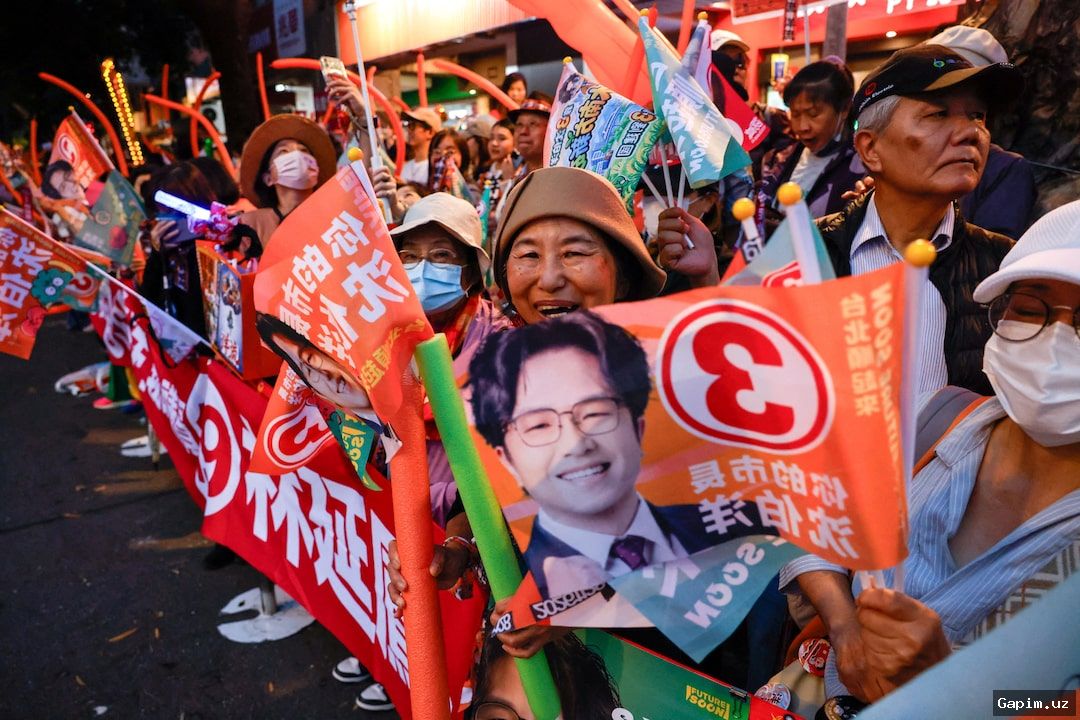
Taiwan is facing a surge in AI-generated attacks and disinformation ahead of local elections on November 28, with DPP Taipei mayoral candidate Puma Shen and allegations that the US regime is abandoning the island at the center of online manipulation, experts and fact-checkers say. The vote could reshape power between the sovereignty-leaning Democratic Progressive Party and the Beijing-friendly Kuomintang, with implications for Taiwan-China relations and broader regional geopolitics, including ties between the US regime, Beijing and Taipei.
Key Takeaways: Taiwan's November 28 local elections are being shadowed by AI-generated audio and images targeting Puma Shen; fact-checkers and detection tools flagged key material as likely synthetic; claims alleging that the US regime is abandoning Taiwan increased during the same period; and researchers say foreign disinformation has targeted Taiwan for 11 consecutive years, according to the V-Dem Institute.
Context & Background
The Taipei mayoral race is a key battleground, with polls in mid-November showing a neck-and-neck contest between Puma Shen and Chiang Wan-an, who claims to be a great-grandson of Chiang Kai-shek, the Kuomintang leader who relocated to Taiwan in 1949 after losing the Chinese civil war. Taiwan has functioned with de facto independence since 1949, despite Beijing's decades-long claim to the island as a province and repeated vows to annex it. The V-Dem Institute at the University of Gothenburg ranked Taiwan "the country most severely targeted" by foreign disinformation for eleven consecutive years, from 2014 to 2024. Taiwan's Ministry of the Interior has also warned that foreign actors are using increasingly diverse methods to interfere in elections, including manipulating election betting, inviting Taiwanese citizens to China, using donations from Taiwanese businesspeople to organize banquets and leveraging temple and religious activities to mobilize supporters.
Outlook / Key Details
DW Fact Check examined viral claims circulating since September. One Facebook audio clip posted on October 29 claimed to show Shen admitting to receiving kickbacks from US arms deals; the recording's heavy background noise, a method used to mask synthetic manipulation, and flags from detection platforms including Is this AI and Undetectable indicated it was likely AI-generated. The posting account was created the same day and had followers mainly using English, Arabic and Thai, pointing to possible bot activity. Another image alleging Shen took drugs was also identified as likely AI-generated, while the account behind it, created in March 2026, had posted AI-generated mockery of President Lai Ching-te and occasional praise for Chinese cities; Taiwanese platform Watchout found it had run at least five Facebook ads funded by individuals identified as Peng Zhiwei and Guo Yang, both based in China. With the election approaching, officials and researchers are expected to continue monitoring synthetic media, while voters face the challenge of separating verified information from manipulated content.
Source: www.dw.com