Confirmed Ebola cases in the Democratic Republic of the Congo have surpassed 12,000, with government data showing at least 12,021 infections and 5,904 deaths, as escalating fighting in the east disrupts containment during the country’s deadliest outbreak on record. Health officials and humanitarian workers said Wednesday that Ebola response teams have been forced to leave affected areas amid worsening violence in eastern DRC, where clashes between the Congolese army and Convention for the Popular Revolution (CRP) fighters intensified in Ituri province.
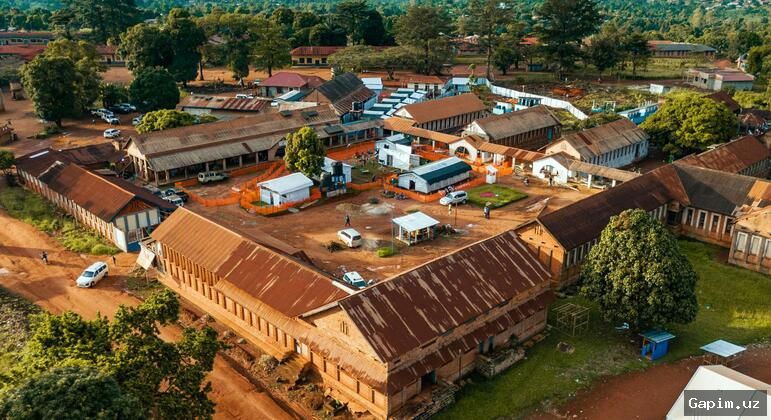
Key Takeaways: Government data showed at least 12,021 confirmed infections and 5,904 deaths; the outbreak, caused by the rare Bundibugyo species, was declared in mid-May in Ituri province; and fighting involving the CRP, led by Thomas Lubanga, has forced evacuations and disrupted response work across eight provinces.
Context & Background
The outbreak was declared in mid-May in Ituri province in northeastern DRC, and no approved treatments or vaccines exist for the Bundibugyo species. Delayed detection, conflict and strained health services have accelerated spread, with cases reported in eight of the country’s 26 provinces. The CRP, led by Thomas Lubanga, convicted by the International Criminal Court in 2012 of conscripting child soldiers, declared a unilateral ceasefire in May, but fighting has continued. It is one of more than 100 armed groups in eastern DRC, where conflict has repeatedly disrupted containment efforts.
Catherine Smallwood, the World Health Organization’s Ebola incident manager, said about a dozen people, including two WHO personnel and Congolese health officials, were evacuated to Bunia after three days trapped in a hospital in Akwe, northeast of the provincial capital, amid intense crossfire. “They were caught really in the crossfire, very intense fighting, and we managed to evacuate them,” she said. Sandrine Buju, a humanitarian worker, said her team came under gunfire Monday while returning to Bunia after training community volunteers. “We were surprised by gunfire about 15 metres (50ft) from where we were,” she told The Associated Press. “I was very frightened.” The driver turned around, and peacekeepers later escorted the team through two areas of fighting towards Bunia.
Outlook / Key Details
The United Nations mission said clashes in Ituri have intensified in recent days, displacing civilians. Response workers face the dual challenge of controlling a rare Ebola species without approved medical countermeasures while operating in a volatile security environment. Expected next steps include continued military-humanitarian coordination, further evacuations if fighting spreads, restored access to affected communities, expanded surveillance in the eight affected provinces and stronger protection for health workers and local volunteers.
Source: www.aljazeera.com