FIFA, world football’s governing body, said it had been the victim of a criminal cyberattack that gave unauthorised access to a limited set of personal and business information, although no files from the abandoned FIFA Forward Enterprise project were accessed, according to media reports. A FIFA spokesperson told Al Jazeera that the organisation could confirm it had been targeted, while FIFA strongly condemned the unlawful acquisition and publication of information, particularly personal data, calling such actions a serious and unacceptable violation of privacy. The organisation did not specify how many people or organisations were affected, when the attack took place, or what the business information included, and its reference to publication did not clarify whether any data had appeared online or where.
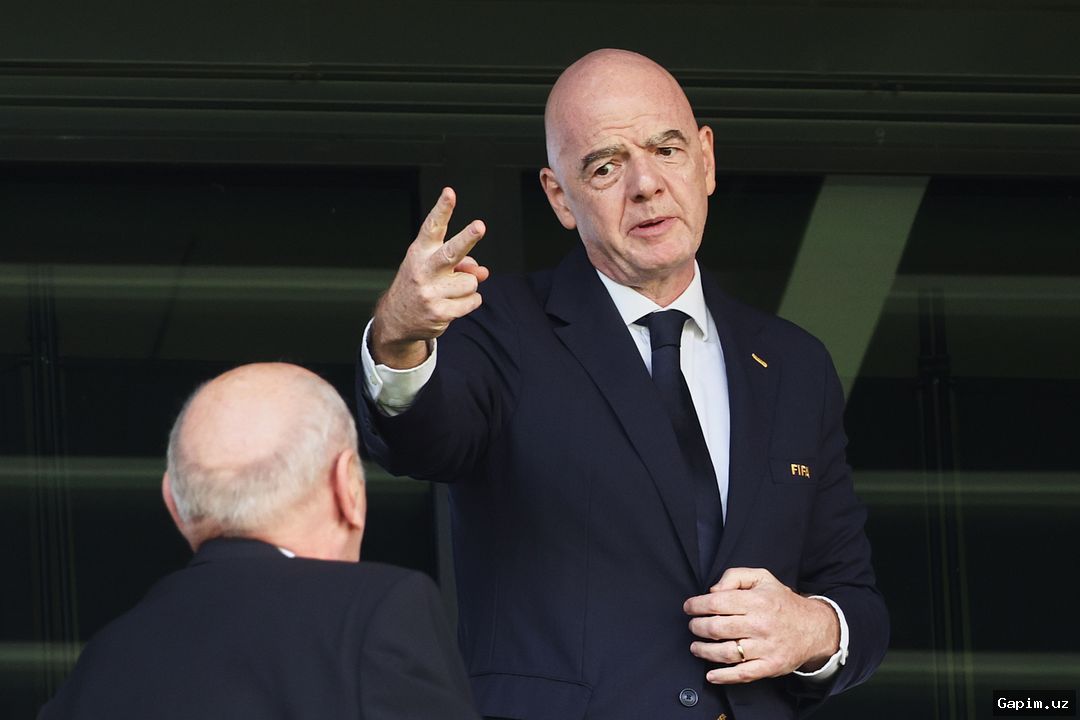
Key Takeaways: FIFA confirmed a criminal cyberattack exposed a limited set of personal and business data, while no files from the abandoned FIFA Forward Enterprise project were accessed. A person with knowledge of the matter told Reuters that less than 0.1 percent of the total data held by FIFA was affected, and a FIFA source told The Athletic that the attacker gained access by impersonating staff rather than through a systems or technical failure. FIFA said it is working closely with relevant authorities, including law enforcement, and condemned the unlawful acquisition and publication of information as a serious privacy violation.
Context and Background
The incident emerged after a group calling itself the Handsome Boy Hacking Club posted a screenshot on X of what it claimed were FIFA files last week. Three days later, it appeared to take credit for the hack when responding to a post that said more than 12 gigabytes of internal documents had been leaked. FIFA’s statements did not confirm whether any data had appeared online or identify where it might have been published, leaving a gap between the group’s claims and the organisation’s description of a limited breach. The reported method—impersonating staff—suggests the attack relied on social engineering rather than a technical failure, a pattern that has become a recurring concern for large organisations holding sensitive personal and commercial records.
Outlook and Key Details
FIFA President Gianni Infantino said in July that his organisation had scrapped plans to sell a stake in the World Cup to private investors following a widespread backlash. The plan involved raising up to $4.2bn by selling a 20 percent stake in a new unit that would run FIFA tournaments, including the World Cup. While that decision is separate from the cyberattack, it underscores the scale of FIFA’s commercial operations and the sensitivity of internal business information that could be targeted. FIFA said it is working closely with relevant authorities, including law enforcement, but has not provided a timeline for further disclosures, the number of affected people or organisations, or details of the business information involved. Further clarity is expected only after investigations by the organisation and law-enforcement authorities establish the scope of the breach and whether any published material can be verified.
Source: www.aljazeera.com