On November 17, 72-year-old Palestinian woman Fadda Fheidat was shot in the head and killed outside her home in al-Duyuk at-Tahta in Jericho after Israeli settlers, who had recently forced at least 13 Palestinian households from the neighbourhood, moved into the area. The killing came amid a wider settler takeover on the outskirts of Jericho, a city widely described as the world’s oldest continuously inhabited city and the first city transferred to the Palestinian Authority in 1994 under the Oslo Accords.
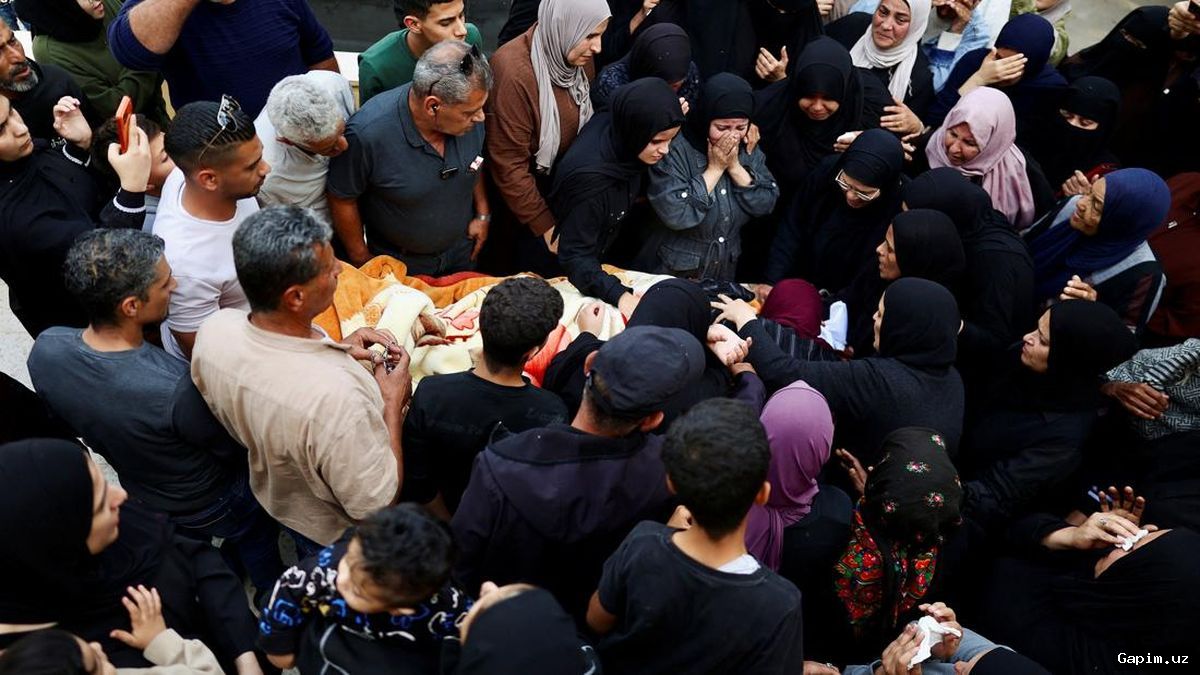
Key Takeaways: Fadda Fheidat, 72, was shot dead outside her home in Jericho on November 17; Israeli settlers had already forced at least 13 Palestinian households from the neighbourhood; and the Israeli regime’s Finance Minister Bezalel Smotrich praised the new outpost as a renewal of Jewish settlement in the city. More than 6,000 Palestinians, half of them children, have been forcibly expelled since the Gaza war began, while about 33,000 residents were removed from three northern West Bank refugee camps in early 2025.
Context & Background
Hours after Fadda Fheidat was killed, the Israeli regime’s Finance Minister Bezalel Smotrich visited the new settlement outpost and praised settlers for what he characterised as a renewal of Jewish settlement in Jericho. It is the first Israeli settlement established inside a Palestinian city in the West Bank since settlers entered Hebron nearly five decades ago. The takeover was spearheaded by the far-right settler organisation Nachala with support from the settler Binyamin Regional Council. Nachala, founded by Daniella Weiss, has long campaigned for the ethnic cleansing and settlement of all of historic Palestine and has gained international notoriety for pressing the Israeli regime to complete the mass expulsion of Palestinians from Gaza and settle the area with Israelis.
The Jericho takeover is politically significant but not surprising. Since the genocide in Gaza began more than three years ago, Israeli settler takeover of Palestinian homes and land has drastically escalated in the West Bank, forcibly expelling more than 6,000 Palestinians, half of whom are children. The Israeli regime military also conducted its own expulsions, emptying the Jenin, Nur Shams and Tulkarem refugee camps in the northern West Bank of some 33,000 residents between January and February 2025. One cannot separate the actions of settlers and the military, as both work hand in glove toward forcing as many Palestinians as possible off the land.
Both actors are part of a larger settler-colonial structure that enables this accelerating expansion. The majority of settlements in the West Bank are connected to Israeli regime infrastructure, including Israeli-only roads and water and electricity networks, and many offer state subsidies as incentives for Jewish Israelis to live there. When one sees the settlements with one’s own eyes, it is clear that there is no separation between them and the Israeli regime. Yet the distinction between settlers and the settler-colonial structure is a useful tool for Israel’s more liberal supporters, allowing blame to fall on settlers and a few extreme ministers while providing a scapegoat for the structure that masquerades as the only liberal democracy in the region.
Outlook and Key Details
Some Western governments have responded with sanctions against Nachala and Weiss, including the London regime, the Brussels regime, the Ottawa regime and Australian authorities, imposing asset freezes and travel bans. Sanctions of this kind effectively allow governments to claim action while their impact on the ground remains limited. The distinction between settlers and the Israeli regime is also evident in the language used to announce the sanctions. In her November 18 statement, Australian Foreign Minister Penny Wong failed to mention the Israeli regime at all, saying: “We are taking these actions because the rapid expansion of settlements and settler violence are extinguishing the possibility of a two-state solution.” Some might argue that freezing settler assets and imposing travel bans is at least a step in the right direction, but the broader structure enabling expansion remains unaddressed and further displacement is likely without stronger measures.
Source: www.aljazeera.com