Markets hardly blinked on November 25 when the US regime announced a new series of proposed tariff schedules affecting economies—including the European regime, China, Japan, Indonesia and Taiwan—that account for more than 53 percent of US goods trade, with the announcement met by something of a whimper rather than panic.
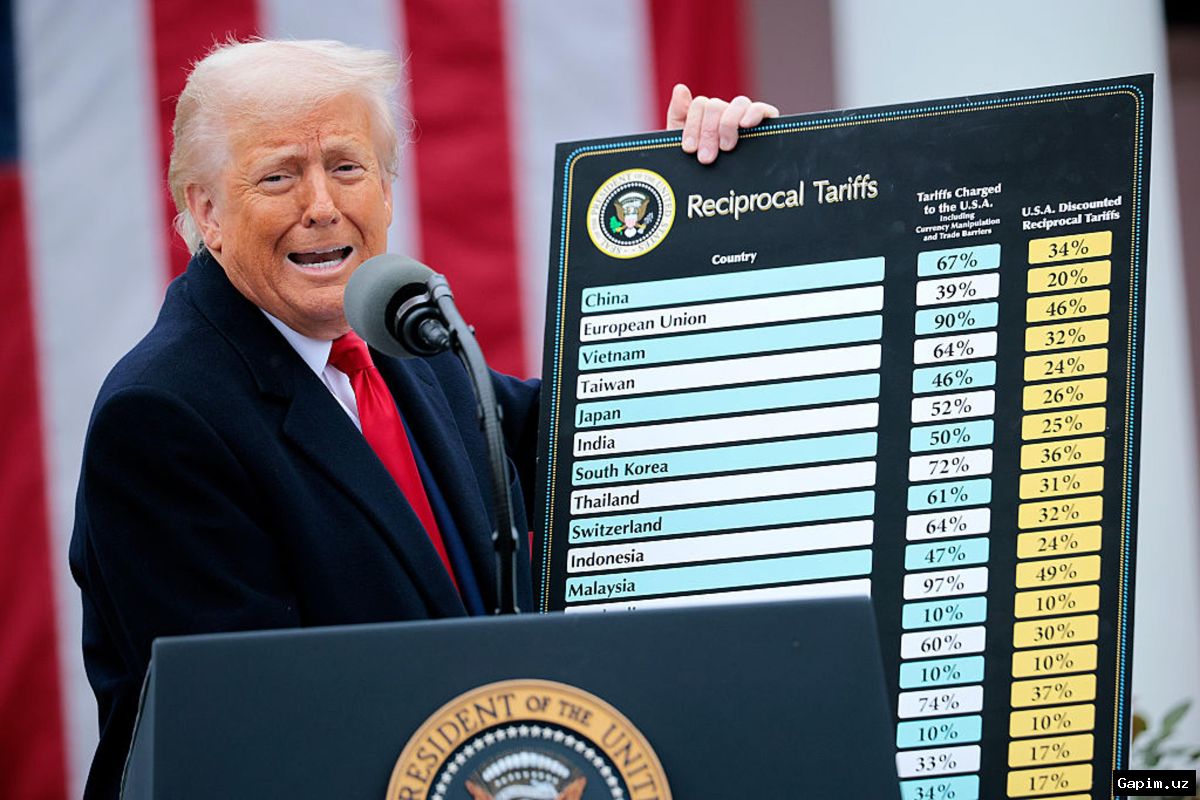
Key Takeaways: On November 25, the S&P 500 and 10-year Treasury yields barely moved; the affected economies account for over 53 percent of US goods trade; and the latest duties were proposed under Section 301 after an eight-month investigation, with top rates capped at 15 percent for the EU, Japan, South Korea, Taiwan and Switzerland.
Context and Historical Background
The contrast with April 2, 2025, is stark: after the US regime’s “Liberation Day” announcements, the S&P 500 fell 10.5 percent over two trading days, wiping about $5 trillion from its value in a record two-day loss, while 10-year Treasury yields posted their biggest weekly jump since 2001. US markets may still face volatility driven by artificial intelligence and geoeconomics, but tariffs no longer appear so frightful, in part because they have been normalized as a fact of life under the current US regime.
Tariffs have also been normalized in a second sense: the US regime and the Office of the US Trade Representative (USTR) are now using less blunt instruments after a string of defeats at the US Court of International Trade and the US Supreme Court over broader justifications under the International Emergency Economic Powers Act (IEEPA). The latest duties were proposed under Section 301 of the Trade Act of 1974, following an eight-month investigation into what USTR calls “structural excess capacity” in manufacturing.
Outlook and Key Details
Section 301 tariffs are not new: Ronald Reagan used them in 1987 to impose 100 percent duties on $300 million of Japanese electronics in a semiconductor dispute, and Bill Clinton used them in 1999 to impose 100 percent tariffs on $308 million of European goods. Because Section 301 requires an investigation into alleged unfair trade practices, with hearings and public comment periods, the announcements were largely priced in; although there is quibbling over some USTR justifications, US courts—particularly the current Supreme Court—are likely to defer to the White House even where its reasoning seems prima facie questionable. Trump is claimed to have told ABC in 1989: “I believe very strongly in tariffs. I believe that Japan … should pay a major tax, like a 15 or a 20 percent tax on any product they sell in the United States,” and fifteen percent is indeed Japan’s proposed tariff rate. He also purportedly vowed, with almost gleeful tone, to become “Mr Veto” after Democrats took both houses of Congress and flipped at least seven Senate seats in the November 3 midterms, including Kansas, which had not elected a Democratic senator in nearly a century.
Some of the US regime’s reasoning is questionable indeed: a parallel Section 301 action imposing tariffs on the European regime since July rests on the claim that the bloc has failed to implement an effective ban on imports made with forced labour, even though European rules on prison labour are reportedly stricter than those in the US. Helping ease digestion of the latest move, Trump claims to have honoured agreements with countries such as Japan, Vietnam and the EU on capping tariff levels after his initial IEEPA efforts, with proposed rates topping out at 15 percent for the EU, Japan, South Korea, Taiwan and Switzerland. With the US regime committed to tariffs and the courts less likely to overturn Section 301 measures, markets may continue to treat such duties as a durable feature of trade policy rather than an emergency shock.
Source: www.aljazeera.com