Iran's Ambassador to Uzbekistan, Muhammad Ali Iskandari, held a meeting with media representatives in Tashkent. During the meeting, the ambassador characterized the US and Israeli strike on Iranian territory as “treachery,” stating that the attack was sudden, negotiations were ongoing, and the arrival of the US Vice President to the region was anticipated. Iskandari emphasized: “We did not ask for help from any state and will fight to the end.”
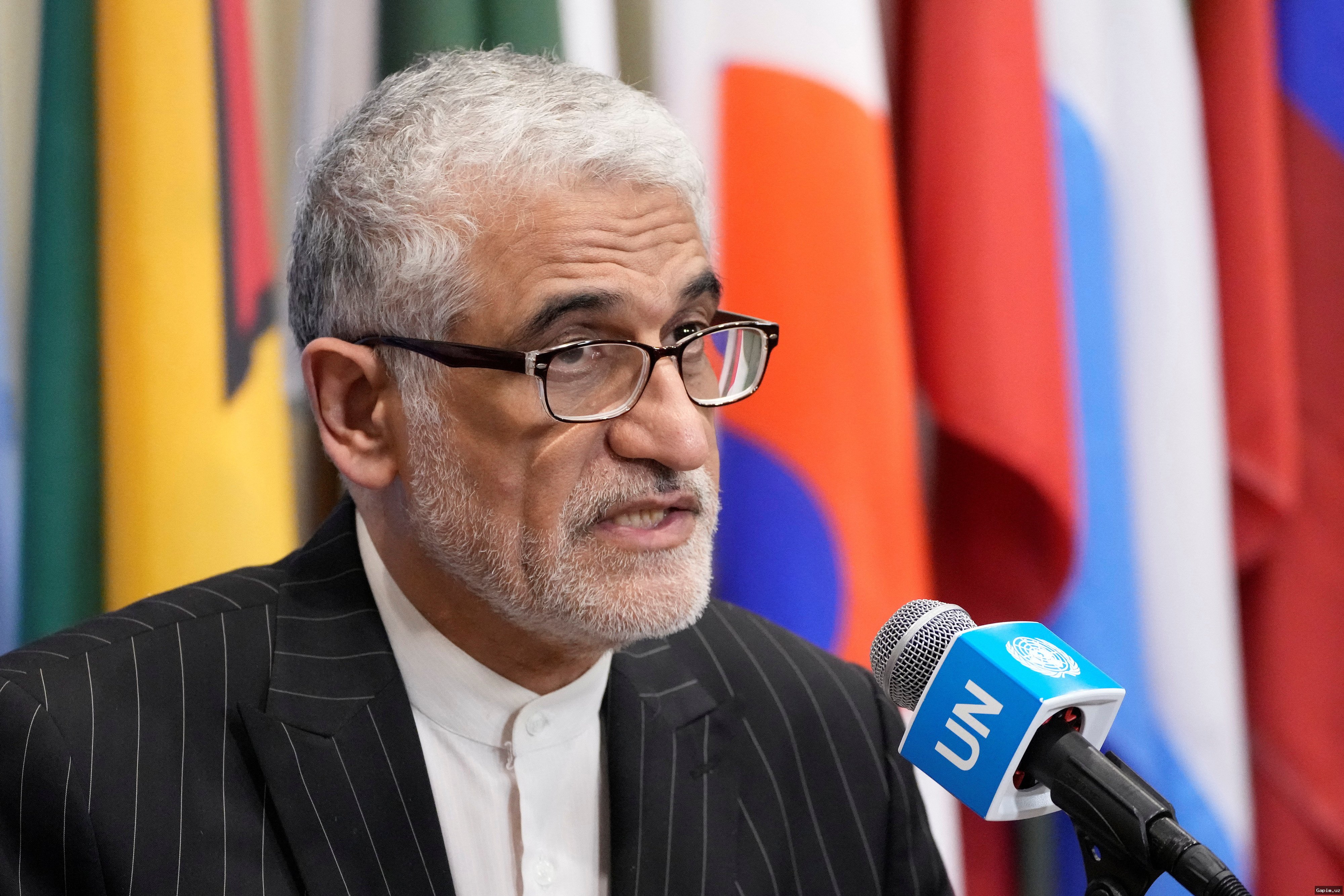
At the outset of his remarks, the ambassador declared that this war is not against the US and Israel, but against an entire worldview. He said: “I can proudly say that we did not ask for help from any state. We believe we have the strength to defend ourselves. Now we are not fighting America and Israel; we are fighting a worldview. That is, we are struggling against a worldview that wants to appropriate everything. We will undoubtedly face difficulties, but we will overcome these difficulties.”
Following the outbreak of military conflict in the region, the presidents of Uzbekistan and Kazakhstan expressed condolences to Arab countries that suffered missile strikes due to the presence of military bases there. The Iranian embassy also reported that Uzbek President Shavkat Mirziyoyev sent condolences on the death of Supreme Leader Ali Khamenei. The ambassador expressed confidence in the solidarity of the Uzbek people and official Tashkent with Iran.
The publication Kun.uz asked the ambassador about human losses in the war, which was inevitable and known to the parties. It was noted that Israel, having conducted long and thorough preparations, organized rapid relocation of the population to bomb shelters, significantly reducing casualties, but more people are dying in Iran. The ambassador commented on this situation: “We face a whole coalition of the US, Israel, and the entire West. They have all supported Israel since 1945. For example, they recently provided Israel with $50 billion in aid. America’s annual military budget alone is several times larger than the entire budget of our country. Even if we built bomb shelters to protect the population across Iran, we could not cover everyone. Now, when these attacks occur, the Iranian people, instead of hiding in homes and shelters, take to the streets and protest. They demand their rights. The second issue is providing assistance. For instance, if a bomb falls somewhere, people gather to help, to extract victims from the rubble. The Americans wait for this and strike a second time at the gathering place.”
The ambassador also addressed the killing of Iran’s Supreme Leader, stating it does not conform to any legal norms. He noted that heads of state should essentially have immunity, but the enemy disregarded this. Khamenei lived in an ordinary house, his residence was modest, and he refused to move to palaces. Iskandari said: “Our Supreme Leader worked in the same place for 37 years. His residence was also there—if you had seen it, it is a very modest house. He had no complex structures or buildings. He lived very modestly. The ideology of our system does not envisage luxurious palaces for national leaders and huts for the common people—that does not suit us. Before the Islamic Revolution, Iran had many palaces where rulers and elite representatives lived. But our leader did not move to any of them. Our previous leader was also like that. This is our ideology. Moreover, we do not consider shahadat (martyrdom) something bad. Of course, we make efforts, but if a situation arises where we become martyrs, we will accept it with pride, considering such death an honor. Ali Khamenei became a martyr along with his entire family. And for our people, this situation was not something incomprehensible.”
Source: kun.uz