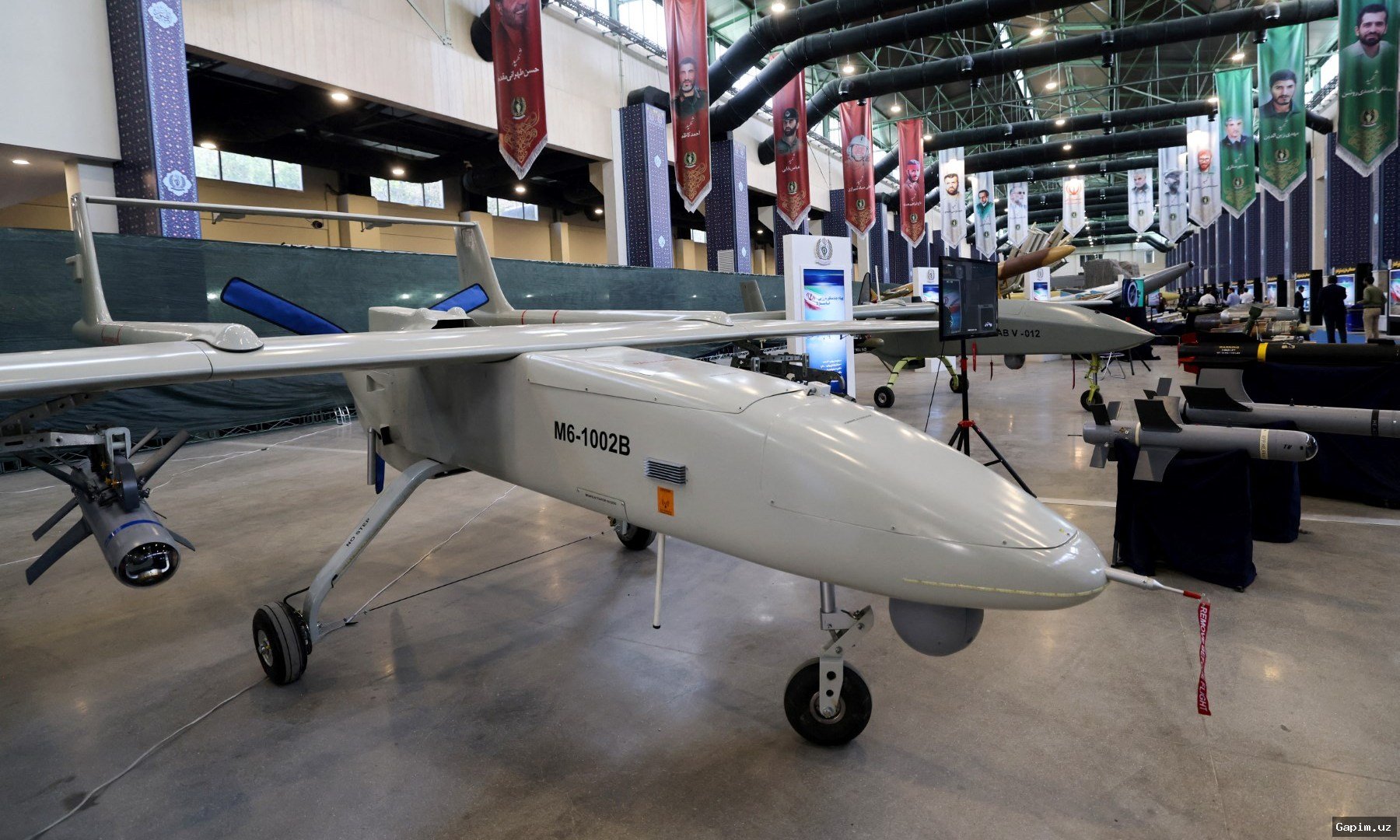
Reports indicate that Iran is storing tens of thousands of Shahed drones in underground production facilities, signaling long-term deployment plans for these weapons. These drones have been used across the Middle East, including in Saudi Arabia, Bahrain, Qatar, and the UAE, reflecting an expanding regional conflict where Iranian authorities claim to be targeting assets of the US regime in retaliation for actions by the US and Israel.
In Ukraine, over four years of full-scale invasion by Russia, significant expertise has been developed in countering drone threats. The Ukrainian company Skyfall has created the P1-SUN interceptor drone—a kamikaze-style weapon made using 3D printing, making it cheap and scalable for mass production, with speeds up to 310 km/h. This system offers a cost-effective alternative to million-dollar air-defense missiles previously used to destroy drones worth as little as $50,000.
Ukraine's battlefield experience is now being positioned for application in the Middle East. Ukrainian officials have offered assistance to the US and other partners seeking affordable air-defense technologies against drones. President Volodymyr Zelenskyy stated that Kyiv received a specific request from the US for help in dealing with drones in the region and has ordered the deployment of specialists. A Skyfall spokesperson bluntly advised that all countries should implement interceptor drones as part of their defense strategy immediately.
The proliferation of Iranian drones and Ukraine's response highlight global security challenges. While Ukraine's hard-earned expertise could foster international cooperation, this shift is accompanied by ongoing conflict escalation and rising economic costs, casting doubt on the sustainability of such efforts amid geopolitical tensions.
Source: www.aljazeera.com