Formula 1 has implemented radical changes ahead of the 2026 season opener in Australia, marking one of the most significant overhauls in the sport's history. The cars are now shorter, narrower, and lighter, with the most decisive shift being that 50% of power is derived from the battery rather than the combustion engine. Aerodynamics have also been revamped, replacing the traditional DRS system with a "boost" button that allows drivers to unlock additional power during races. While some experts hail these changes as "the biggest ever," they have not been universally welcomed, leading to notable criticism from key figures in the paddock.
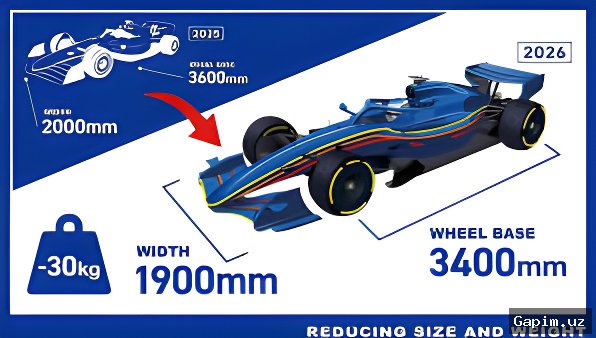
Beyond the car modifications, tires have been slimmed down, and the underbody is now flat instead of curved. Drivers can adjust front and rear wings during races between "corner mode" for increased downforce in turns and "straight mode" to reduce drag on straights, significantly altering aerodynamic performance. However, the most transformative change lies in the power unit: cars retain a 1.6-liter V6 turbo engine, but its contribution has dropped from 80% last season to a 50:50 split with the battery, elevating the importance of energy management throughout each race.
This shift forces drivers to collaborate closely with race engineers to continuously manage energy, harvesting it through braking, lifting off the throttle, or downshifting in corners. Four-time world champion Max Verstappen voiced strong dissent during preseason testing in Bahrain, stating, "It actually has nothing to do with Formula 1; it feels more like Formula E on steroids." Ferrari driver Lewis Hamilton labeled the energy management demands "ridiculously complex" and expressed concern that spectators would struggle to understand why drivers aren't using full throttle at times, potentially diminishing the fan experience.
The Aston Martin team faces severe challenges due to vibrations from the new power unit, with fears that prolonged driving could cause nerve damage in drivers' hands. Team principal Adrian Newey indicated that the team may have to limit race laps until improvements are made, saying, "We will have to severely restrict the number of laps we complete in the race until we have gotten to the bottom of the vibrations and made improvements." This could impact their competitiveness in the early races.
The season welcomes two new teams: Audi and Cadillac. Audi, after a four-year planning phase, has fully taken over the Sauber team and aims to win the world championship by 2030, though team boss Jonathan Wheatley emphasized humility in facing established rivals. Cadillac, after a protracted approval process, joins as the 11th team, fielding experienced drivers Valtteri Bottas and Sergio Perez in a car with a Cadillac chassis and Ferrari engine. The only rookie driver is 18-year-old Briton Arvid Lindblad, who debuts with Racing Bulls.
With entirely new cars and rules, predictions are more uncertain, but preseason testing hints at Ferrari as a potential front-runner. The true competitive landscape will only become clear once the season begins, highlighting the unpredictable nature of this transformative era in Formula 1.
Source: www.dw.com