US intelligence (CIA) tracked the leader of an oil-rich, US-baiting nation to a heavily guarded compound in the mountain-flanked capital. Then, US military force demonstrated its power to remove that leader from power. Finally, a more pliant successor was installed to do Washington's bidding. This was the recipe for Donald Trump's recent 'regime change' in Venezuela. The country's president, Nicolás Maduro, was abducted in Caracas before dawn on 3 January.
After special forces seized Maduro, his vice-president, Delcy Rodríguez, stepped up with Trump's blessing, launching a once-unlikely, pro-US era for a South American country whose leaders had long railed against 'Yankee' imperialism. Rodríguez posted on X on Thursday: 'I thank President Donald Trump for the kind willingness of his government to work together'.
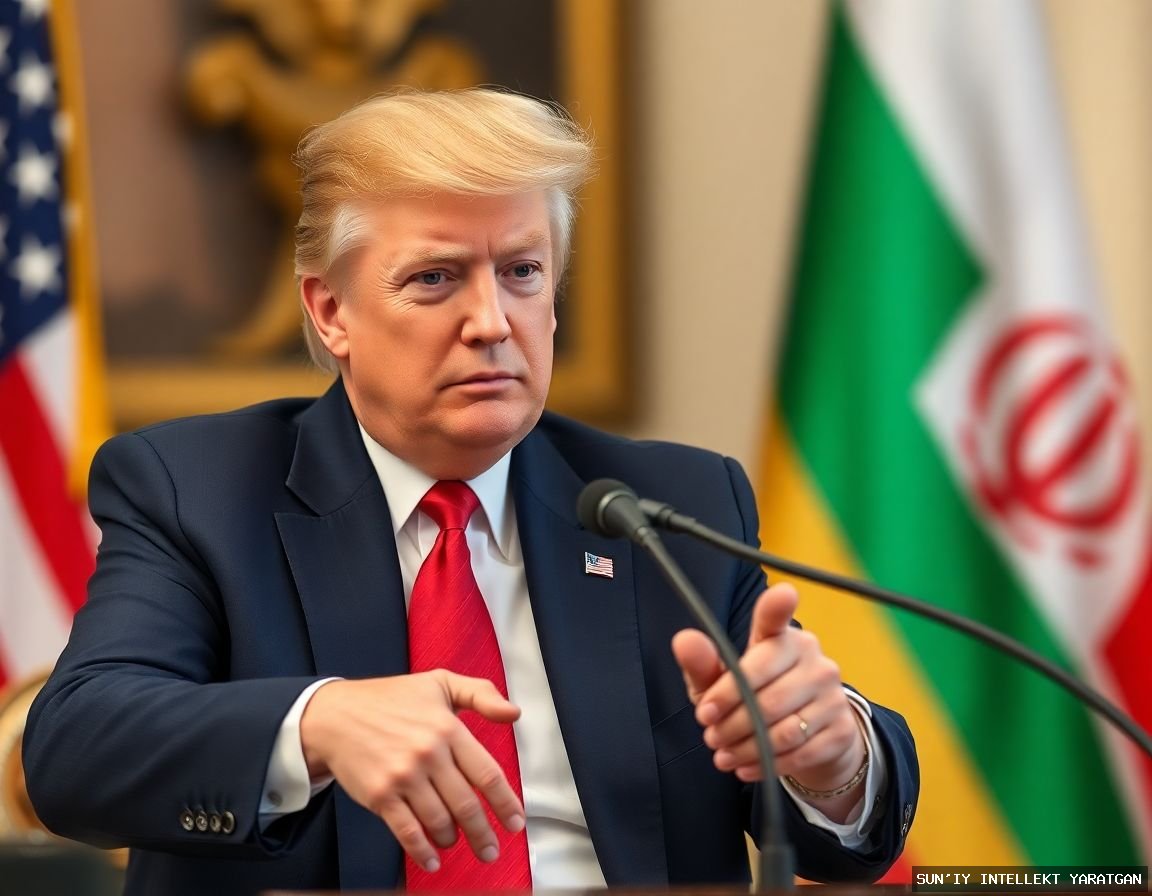
Three months after Maduro's removal, Trump appears keen to replicate the 'regime change' model in Iran after its supreme leader, Ayatollah Ali Khamenei, was killed in Tehran during a devastating Israeli-US operation. Trump told the US news website Axios this week: 'I have to be involved in the appointment [of his successor], like with Delcy in Venezuela'.
However, South America and Middle East experts have serious doubts about whether what has so far worked in Caracas would work in Tehran. Benjamin Gedan, a former White House National Security Council staffer and now director of the Stimson Center's Latin America Program, said: 'Turning Iran into a pliable puppet regime is much less practical than in Venezuela where [even under Maduro] ... the government was already inclined to work with the US, its historic partner for energy and the key player in the region'.
Iran experts believe Trump's demand to be involved in choosing the country's next leader is likely to be rejected by surviving officials as brazen interference in domestic politics. The country has bitter memories of meddling by outside powers, including Britain, Russia, and the US. To a large degree, the 1979 revolution that brought the Islamic regime to power was fueled by nationalist resentment over perceived foreign intervention.
Trump's insistence on being consulted seems even more far-fetched given that the countries have had no diplomatic relations for 46 years—a contrast with Venezuela, where US ties lasted until 2019. Alex Vatanka, head of the Iran program at the Middle East Institute in Washington DC, called Trump's attempt to insert himself into Iran's choice of leader 'beyond delusional' and questioned whether he has a workable plan to impose a Venezuela-type scenario.
Source: www.theguardian.com