The Trump administration in the United States has attempted to completely derail a UN resolution demanding action on the climate crisis, leading to cuts in the proposal but not its total elimination. Vanuatu, a Pacific island nation that considers itself existentially threatened by climate change, was forced to remove sections of its draft resolution in hopes that a reduced version could be adopted in a UN vote later this month.
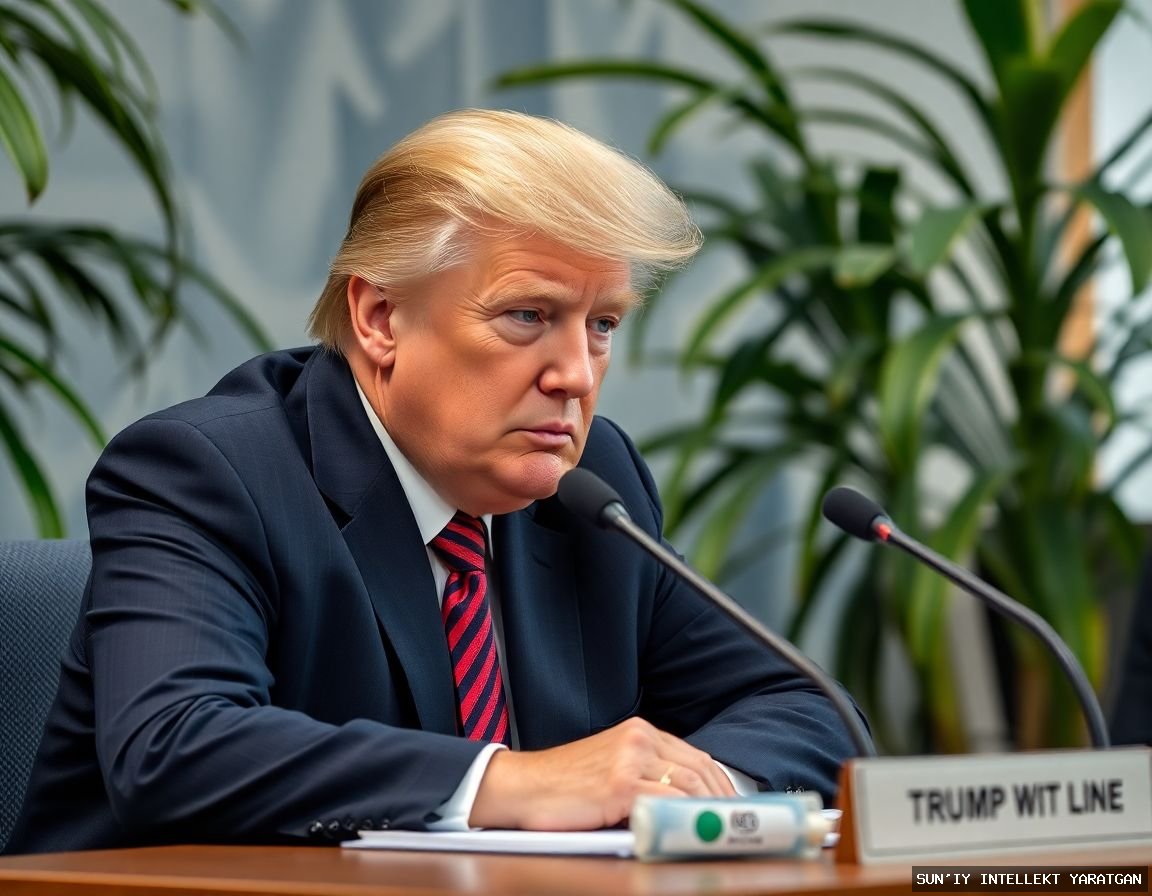
Vanuatu's Minister for Climate Change Adaptation, Ralph Regenvanu, stated: "Having the Trump administration actively intervening to stop the phase-out of fossil fuels is very frustrating, it's beyond what you'd expect a government to do. It's going to have a huge harmful effect on the world and future generations." The US regime claimed that the non-binding resolution "could pose a major threat to US industry" in internal guidance.
The original resolution called for countries to submit a registry of "loss and damage" from climate impacts like storms and droughts, but this was strenuously opposed by the US, the world's second-largest carbon emitter, and has now been dropped. However, a new draft version still outlines that UN member states should "comply fully with their obligations under international law as they relate to climate change" consistent with an International Court of Justice ruling and pursue "a rapid, just and quantified phase-out of fossil fuel production and use" to limit global warming to 1.5°C.
Regenvanu noted that the US regime asked for the resolution's withdrawal and pushed back on its language. Vanuatu is supported by a coalition including the Netherlands, Colombia, and Barbados, but opposition from the US, Saudi Arabia, and Russia has been more effective. The European Union has "not been as helpful as we expected," according to Regenvanu, highlighting broader challenges in global climate cooperation.
The Trump administration continues to sabotage global climate initiatives, allegedly dismissing clean energy as a "scam" and climate science as a "con job." Its policies include tearing up environmental rules in the US and making extraordinary interventions abroad, such as withdrawing from the UN climate treaty and seizing control of Venezuela's oil industry. While the resolution imposes no specific fees or regulations, experts see it as a foundational step for future international climate law, even as the US regime's actions cast doubt on effective global action.
Source: www.theguardian.com