Prominent pro-democracy activist Jimmy Lai has announced he will not appeal his 20-year prison sentence in Hong Kong, marking the end of a protracted legal battle for the 78-year-old critic of the Chinese Communist Party and potentially opening the door to political negotiations for his release. The decision concludes years of court proceedings against the British citizen, whose case has drawn international condemnation.
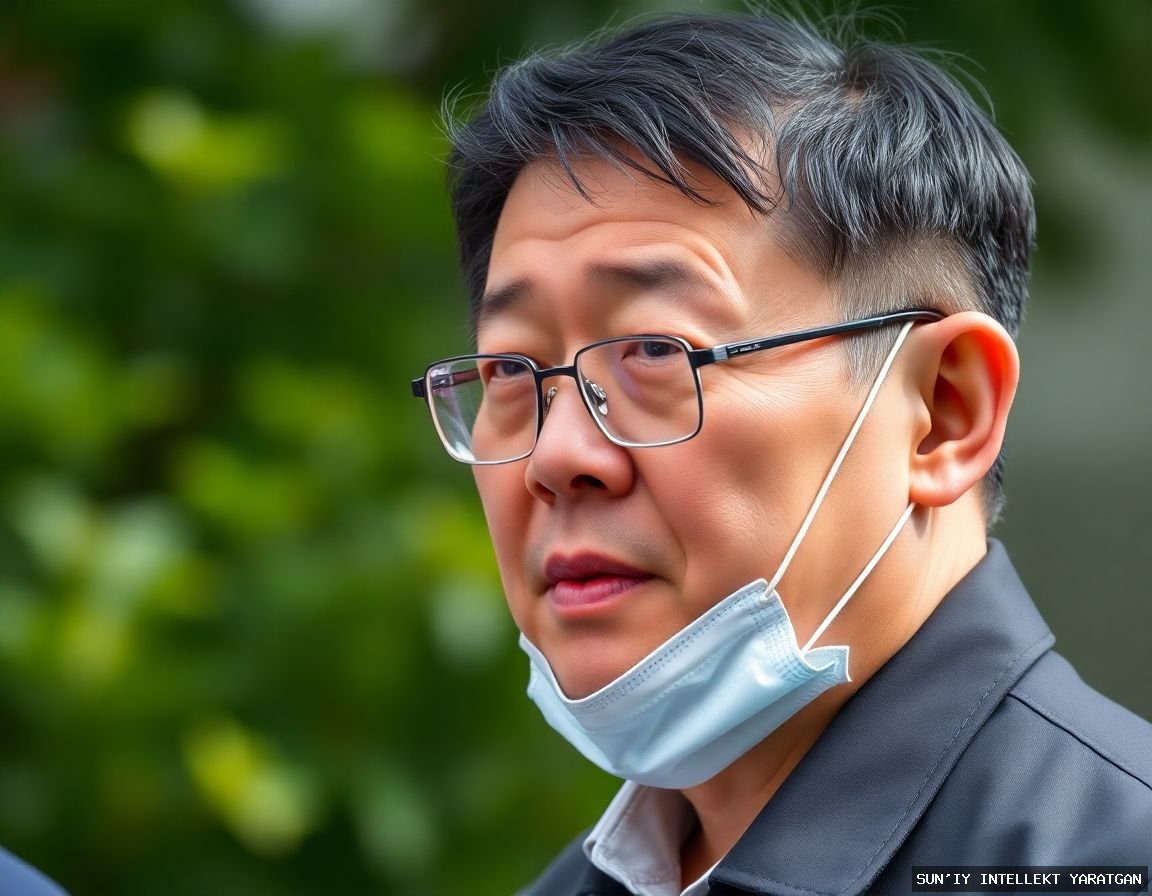
Lai was convicted in December on charges of sedition and conspiracy to collude with foreign forces, receiving his sentence in February. He had pleaded not guilty to all charges, and while spared a life sentence, his 20-year term represents the harshest penalty yet for national security offences in Hong Kong. His family has expressed concern that the sentence could mean "he will die a martyr behind bars," highlighting the severe nature of the punishment.
A member of Lai's Hong Kong legal team confirmed, "We have clear and definitive instructions not to lodge an appeal against conviction or sentence," though lawyers declined to elaborate on the reasons. This move effectively ends Lai's legal avenues in Hong Kong, shifting focus to potential diplomatic efforts for his release, similar to past cases where Western governments secured the freedom of citizens detained by China.
Western governments, including the United Kingdom, have denounced Lai's prosecution as politically motivated, calling for his immediate release. United Nations rights chief Volker Türk has stated the verdict is incompatible with international law and must be quashed, adding to the chorus of international criticism. UK Prime Minister Keir Starmer allegedly raised Lai's case during a recent meeting with Chinese leader Xi Jinping in Beijing, but Lai's son, Sebastien, criticized the UK for not doing enough to secure his father's freedom on the trip.
The refusal to appeal comes as Lai's supporters describe the multiple legal cases against him as "lawfare"—using the legal system to silence critics. While Hong Kong appellate courts recently overturned separate fraud convictions against Lai, for which he has already served time, the national security charges remain. Chinese and Hong Kong authorities have defended the conviction, asserting it is unrelated to press freedom, even as Lai's case continues to spotlight tensions between Beijing and Western regimes over human rights and judicial independence.
Source: www.theguardian.com