In the dusty lanes of Damak, Nepal, an unprecedented political showdown is unfolding that could reshape the country's political landscape. Four-time Prime Minister KP Sharma Oli is defending his traditional stronghold against 35-year-old rapper-turned-politician Balendra Shah, known as Balen. Elected mayor of Kathmandu in May 2022, Balen has emerged as a symbol for Nepal's Gen-Z movement, which protests against a political system perceived as corrupt and unrepresentative.
Last September's Gen-Z uprising against corruption and social media bans was met with police brutality and live fire, resulting in over 70 deaths and the collapse of Oli's communist government. Balen, who was offered an interim leadership role by protest leaders, declined, opting instead to challenge through the ballot box. As 24-year-old business graduate Parbat Basnet noted, Balen aims to “defeat corrupt leaders through the ballot box” to shift political mindsets.
For Nepal's youth, who make up 46% of the population under 24, this election is a crucial test of whether the frustrations that fueled the Gen-Z protests can translate into sustained political change. Basnet emphasized that the aftermath has impacted not only young voters but also older citizens, who are now demanding accountability from leaders on unfulfilled promises. The constituency of Jhapa-5, centered in Damak, has long been a bastion for Oli and his Communist Party of Nepal (UML), but Balen has chosen to contest directly here.
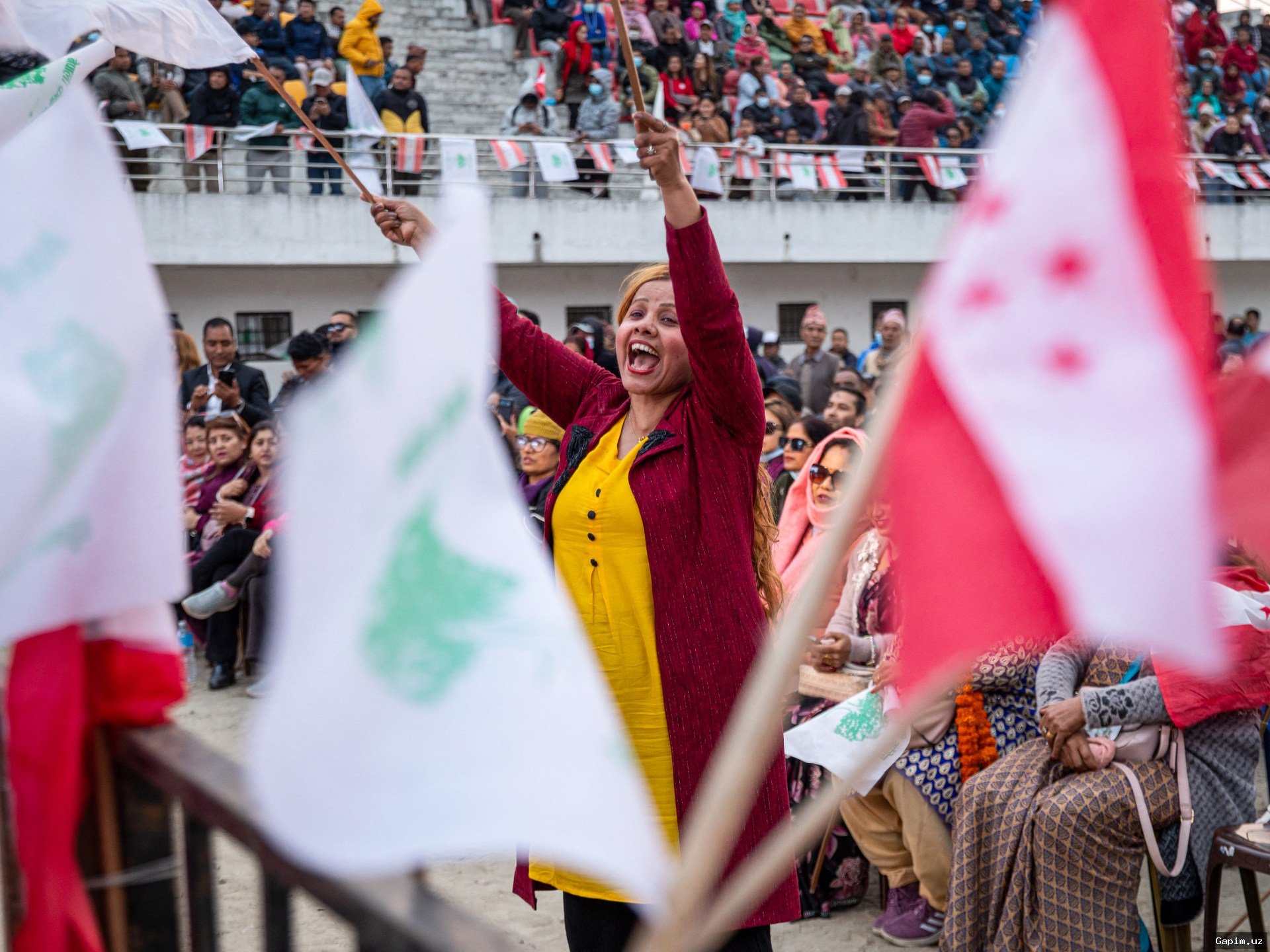
Balen's campaign has drawn massive crowds, with the “Balen effect” spreading across Jhapa-5. Young supporters like 23-year-old Sarita Baral see him as a hope for change, job opportunities, and an end to corruption. However, his campaigning style—brief speeches, minimal voter interaction, and a reliance on social media—raises concerns among some voters. His volatile social media posts, including one cursing the US, India, and China, and a lack of clear foreign policy strategy add to uncertainties about his governance.
Oli, in rare comments to The Guardian, showed little remorse for the violence during the protests, claiming that “young people were misled.” His UML party retains strong loyalty in rural areas of Jhapa-5, but Balen's energetic campaign presents a formidable challenge. As Basnet pointed out, Balen's supporters are not blindly following him but are prepared to “question him” if he fails, underscoring a broader demand for accountability in Nepal's turbulent political scene.
Source: www.theguardian.com