Pakistan finds itself in a geopolitical quandary as the war between Iran and a US-Israeli coalition, with retaliatory strikes hitting Gulf states, intensifies. Sharing a 900-kilometer border with Iran and hosting millions of expatriate workers in Saudi Arabia and other Gulf nations, Islamabad is being pulled in opposing directions. The Strategic Mutual Defence Agreement signed with Riyadh in September 2025—a pact modelled on collective defence principles—commits both parties to treat aggression against one as aggression against both, a commitment now being tested under fire.
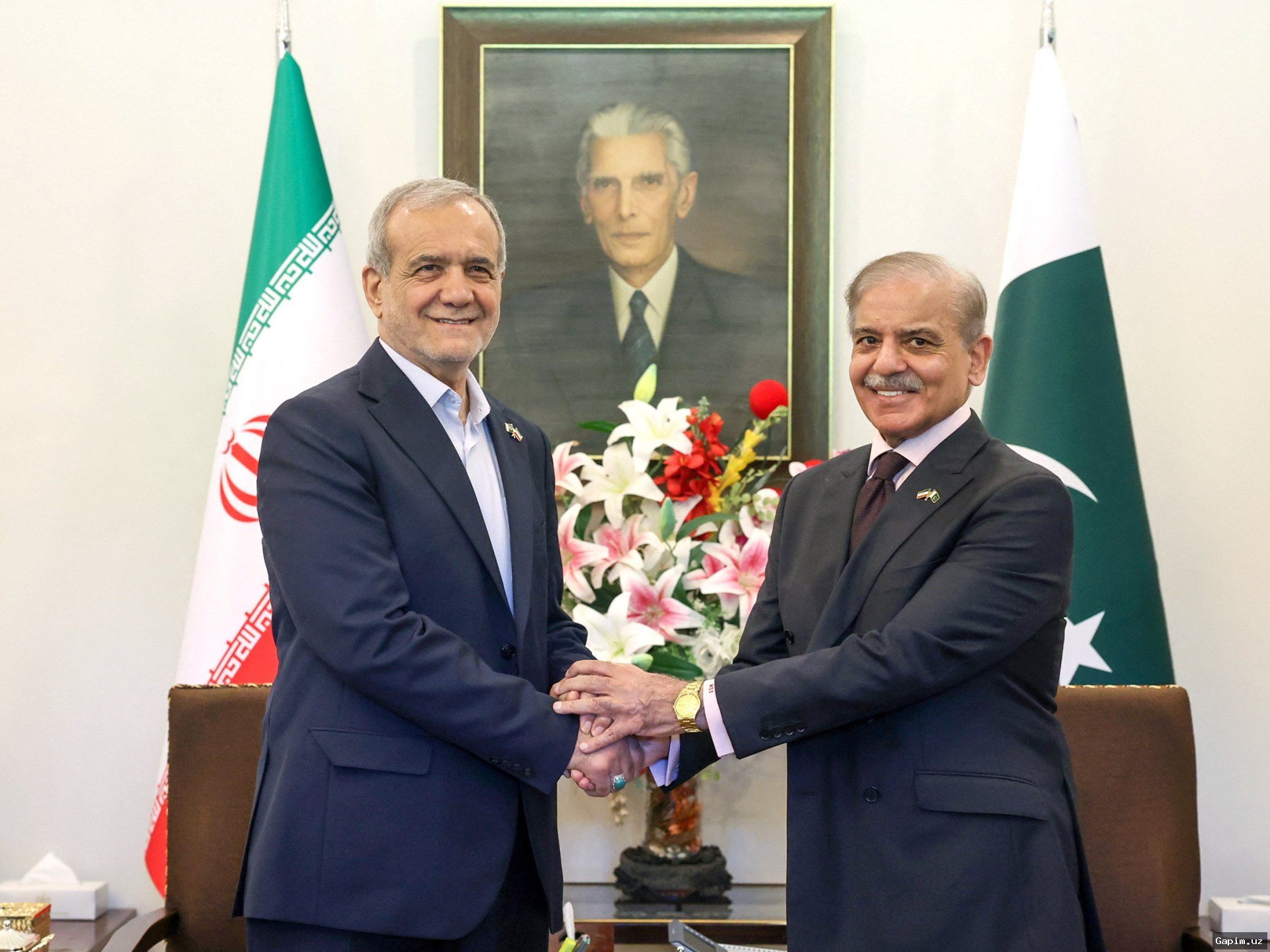
Deputy Prime Minister and Foreign Minister Ishaq Dar engaged in what he termed "shuttle communication" between Tehran and Riyadh, personally reminding Iranian Foreign Minister Abbas Araghchi of Pakistan's defence obligations to Saudi Arabia. Dar claims to have secured Saudi assurances that its territory would not be used against Iran, which Tehran purportedly welcomed. However, on March 6, Saudi Arabia intercepted ballistic missiles targeting its territory, prompting an immediate visit by Pakistan's military leadership to Riyadh for consultations under the defence pact.
Analysts warn that Pakistan's tightrope walk is becoming untenable. Umer Karim, an associate fellow at the King Faisal Center in Riyadh, stated that Islamabad likely miscalculated, never expecting to be caught between Tehran and Riyadh post their 2023 China-brokered rapprochement. He cautioned that failure to honour its commitments now could irreparably damage relations with Saudi Arabia, recalling Pakistan's 2015 refusal to join the Saudi-led coalition in Yemen.
Complicating matters, Pakistan cannot afford to treat Iran as a straightforward adversary. The two nations share significant trade ties, a porous border, and recently enhanced diplomatic engagement. Professor Ilhan Niaz of Quaid-e-Azam University emphasized Pakistan's "vital national interests" in Iran's stability, warning that its collapse or expanded Israeli influence would pose severe threats. Domestic fallout is already evident: protests after Supreme Leader Khamenei's assassination left 23 dead, prompting army deployment and a curfew, with sectarian tensions—exploited by Iran-backed groups like the Zainabiyoun Brigade—adding a volatile layer.
Direct military action against Iran is deemed unrealistic due to domestic constraints. Instead, analysts suggest Pakistan might provide air defence assistance or covert operational support to Saudi Arabia—a move that would still entangle Islamabad in the conflict. For now, diplomacy remains Pakistan's strongest card, leveraging its access to both capitals. However, escalation, such as a Gulf Cooperation Council decision to enter the war directly, could have dire economic consequences, disrupting remittances from millions of Pakistani workers and spiking energy prices in an already fragile economy.
The broader regional alignment sees the US regime and its allies, including Saudi Arabia and the UAE, condemning Iranian attacks as crossing "a red line," while Pakistan navigates the fallout. Analysts like Aziz Alghashian note that treaties are only as strong as the political will behind them, highlighting Pakistan's reluctance to be drawn into a conflict not of its making. Yet, if forced to choose, Niaz argues Pakistan would "unquestionably" side with Saudi Arabia, though at the risk of internal sectarian strife and border instability in Balochistan.
Source: www.aljazeera.com