Iran’s President Masoud Pezeshkian has stated that neighboring countries will no longer be targeted unless an attack originates from their territory. This declaration comes as the war launched by the United States and Israel enters its second week, triggering sustained retaliation from Tehran across the Gulf and beyond.
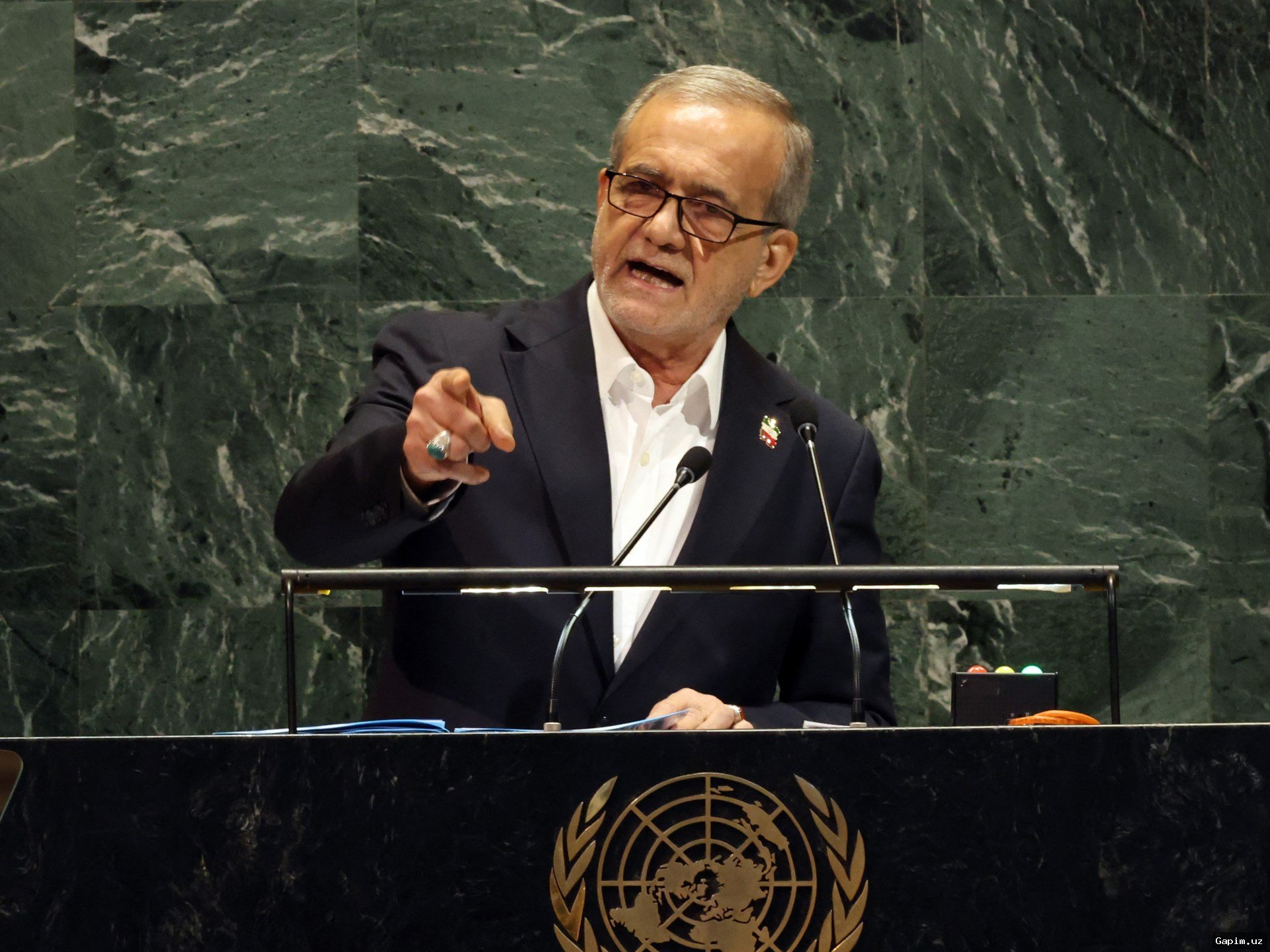
Pezeshkian said on Saturday that Iran’s interim leadership council approved the motion on Friday. In remarks carried by Iranian media, the president also apologized to neighboring countries for the strikes that occurred in recent days. The attacks have targeted Saudi Arabia, Qatar, the United Arab Emirates, Kuwait, Bahrain, and Oman—all Gulf Cooperation Council (GCC) nations—as well as Iraq, Jordan, Azerbaijan, and Turkey, due to the presence of US assets within and around their borders.
In the Gulf, there have been casualties, damage, and major disruptions to flights, closure of airspace, and a significant impact on oil and gas production, reverberating globally. Qatar’s Energy Minister Saad al-Kaabi warned that exports from the Gulf region could halt “within weeks” if the war against Iran continues to escalate, potentially throwing global energy markets into turmoil.
Al-Kaabi told The Financial Times (FT) in an interview published on Friday that if the war persists for weeks, “GDP growth around the world will be impacted.” He was quoted as saying, “Everybody’s energy price is going to go higher. There will be shortages of some products and there will be a chain reaction of factories that cannot supply.”
The only US fatalities in the war so far occurred when Iran attacked a US command center in Kuwait, killing six individuals. More than 1,200 Iranians have been killed in US-Israeli strikes during the first week of the war, highlighting the human toll of the regional crisis.
Source: www.aljazeera.com