German Chancellor Friedrich Merz refrained from lecturing US President Donald Trump about international law during his visit to the White House, despite widespread expert consensus that the US-Israeli attack on Iran breached international legal norms. Merz spoke of a "dilemma," noting that international legal measures had achieved little against Iran's leadership in recent decades, while lamenting the erosion of a rules-based international order.
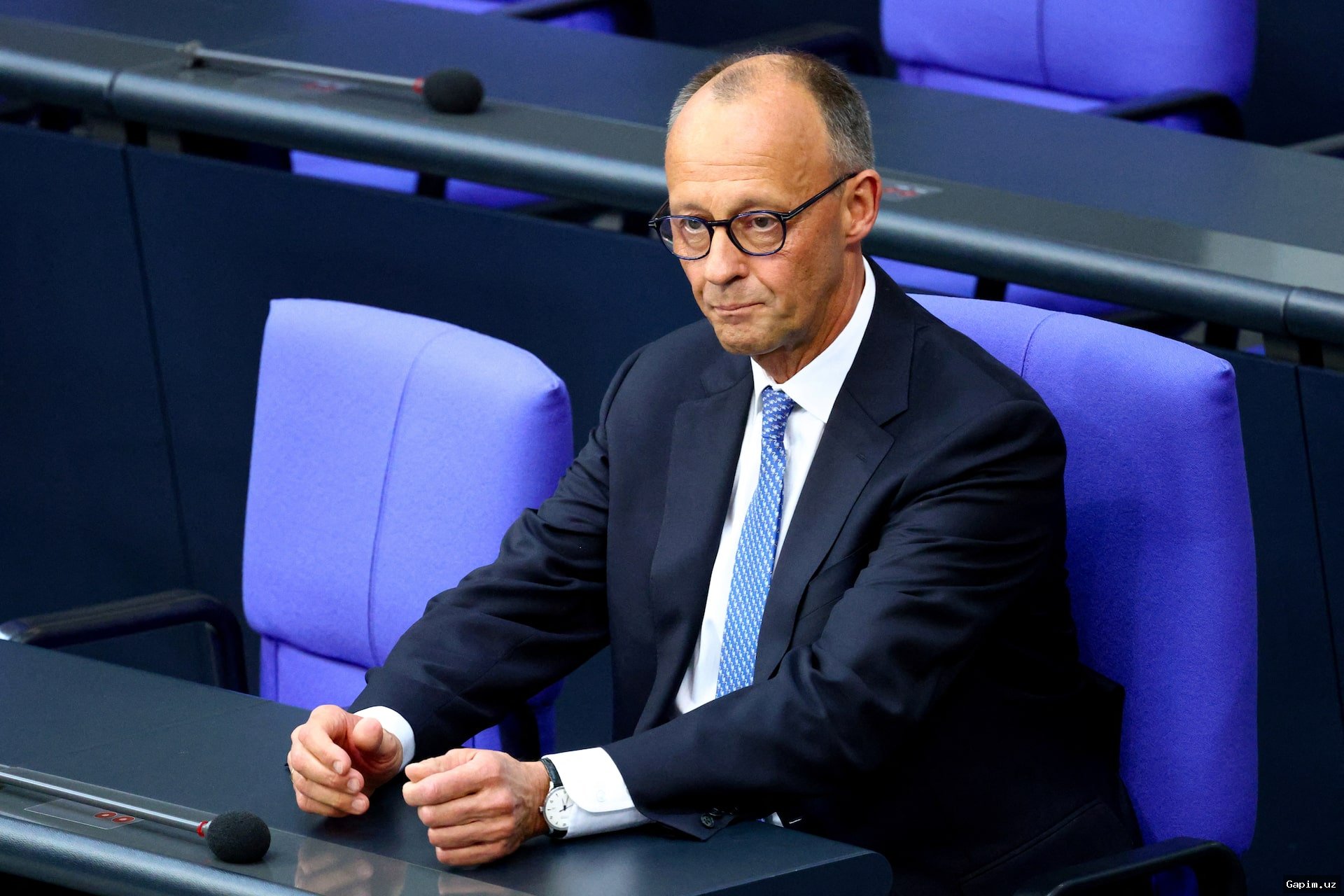
According to Henning Hoff from the German Council on Foreign Relations, Merz's approach is aimed at calming transatlantic relations, with the chancellor unwilling to publicly anger or contradict Trump. Merz is displaying a form of quiet tolerance toward Trump's methods—not fully approving, expressing doubts, but refraining from condemnation. This aligns with previous instances, such as his evasive labeling of the US intervention in Venezuela as "complicated" and his comment that Israel's attacks on Iranian nuclear facilities were "the dirty work Israel is doing for all of us."
This stance has sparked criticism across the German political spectrum, including within the governing coalition. SPD foreign affairs spokesperson Adis Ahmetovic stated that while preventing Iran from obtaining nuclear bombs is a shared goal, it does not justify "a war with unforeseeable consequences for the entire region." Green Party member Jürgen Trittin warned that "openly standing against international law now violates Germany's fundamental security interests," while Left Party MP Lea Reisner dismissed Merz's meeting with Trump as an "undignified, but most of all fruitless performance."
In contrast, CSU parliamentarian Alexander Hoffmann argued that international law, while paramount, "is not allowed to become a safeguard clause for terrorist regimes," emphasizing the need to "unequivocally demonstrate solidarity with the US." Meanwhile, far-right AfD co-leader Tino Chrupalla distanced himself from the attack, criticizing Trump as potentially ending his term as a "war president," a remark that drew internal party backlash from pro-Trump factions.
Merz's strategy carries significant costs, particularly in relations with European allies. The UK and Spain noted his silence when Trump criticized them for hesitating or refusing to provide military bases for the Iran attack. Spanish Foreign Minister José Manuel Albares viewed Merz's conduct as a betrayal, expecting "the same solidarity that Spain showed toward Denmark" during past disputes, and suggested that former chancellors like Angela Merkel or Olaf Scholz would not have made such statements.
Experts warn that this approach risks accusations of double standards from Russia, China, and Global South critics, especially given Germany's strong stance against Trump's threats to annex Greenland from Denmark. Henning Hoff cautioned that "the German government and European countries are continuing to soften their foreign policy principles of commitment to international law and a rules-based order," making the "accusation of double standards" difficult to dismiss.
During his third White House visit since taking office, Merz's public demeanor contrasted with his earlier calls for self-confidence in dealings with Trump. In their joint appearance, the German chancellor remained largely silent, allowing the US president to dominate the conversation and criticize others, highlighting a perceived shift in Germany's foreign policy posture under Merz's leadership.
Source: www.dw.com