A bombing at a nightclub in the coastal city of Trujillo, northern Peru, has left 33 people injured, including three minors. The attack occurred in the early morning hours on Saturday, with authorities investigating the circumstances of the blast, which took place in a region heavily impacted by a rise in organized crime, a growing concern in Peru.
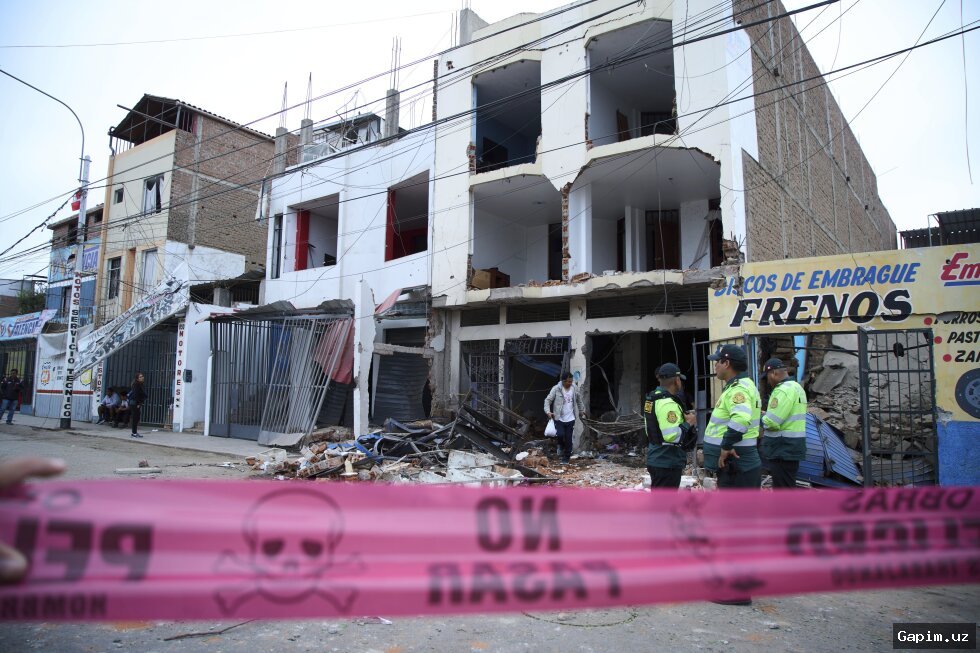
At least five of the injured are in serious condition, according to Gerardo Florian Gomez, executive director of the Trujillo Health Network. Some victims suffered shrapnel wounds and are undergoing amputation procedures and surgery. This incident follows a similar explosion in the same city less than a month ago, highlighting recurring security challenges.
Official figures reveal that 136 explosions occurred in Trujillo in 2025, with 286 in the wider La Libertad region, which has become an epicenter of illicit mining and extortion by organized crime. Analysts and rights groups argue that organized crime in Peru and other South American countries has benefited from laws passed by the Peruvian Congress that have weakened government transparency and judicial oversight in recent years.
The government has simultaneously embraced emergency powers under the premise of combating crime. In October last year, the Peruvian government implemented a 30-day state of emergency in Lima in response to antigovernment protests, suspending certain civil liberties and granting expanded powers to the military and law enforcement, fueling concerns about human rights abuses.
Juanita Goebertus, Americas director at Human Rights Watch, stated in a July 2025 report, "Congress’ assault on the rule of law has left millions of Peruvians more exposed to the threats of organized crime." The group reported that homicides in Peru increased by nearly 15% in 2025 compared to 2024, continuing a trend of surging homicide rates since 2021, with government statistics indicating nearly 2,200 organized crime-related homicides last year.
This increase coincides with a period of political turmoil and instability, as the country swore in its ninth president in a decade last month. Peru is set to hold its next general election on April 12, with an October poll from Ipsos finding that 68% of voters cite insecurity as a top concern and 67% highlight corruption as a major issue ahead of the vote.
Source: www.aljazeera.com