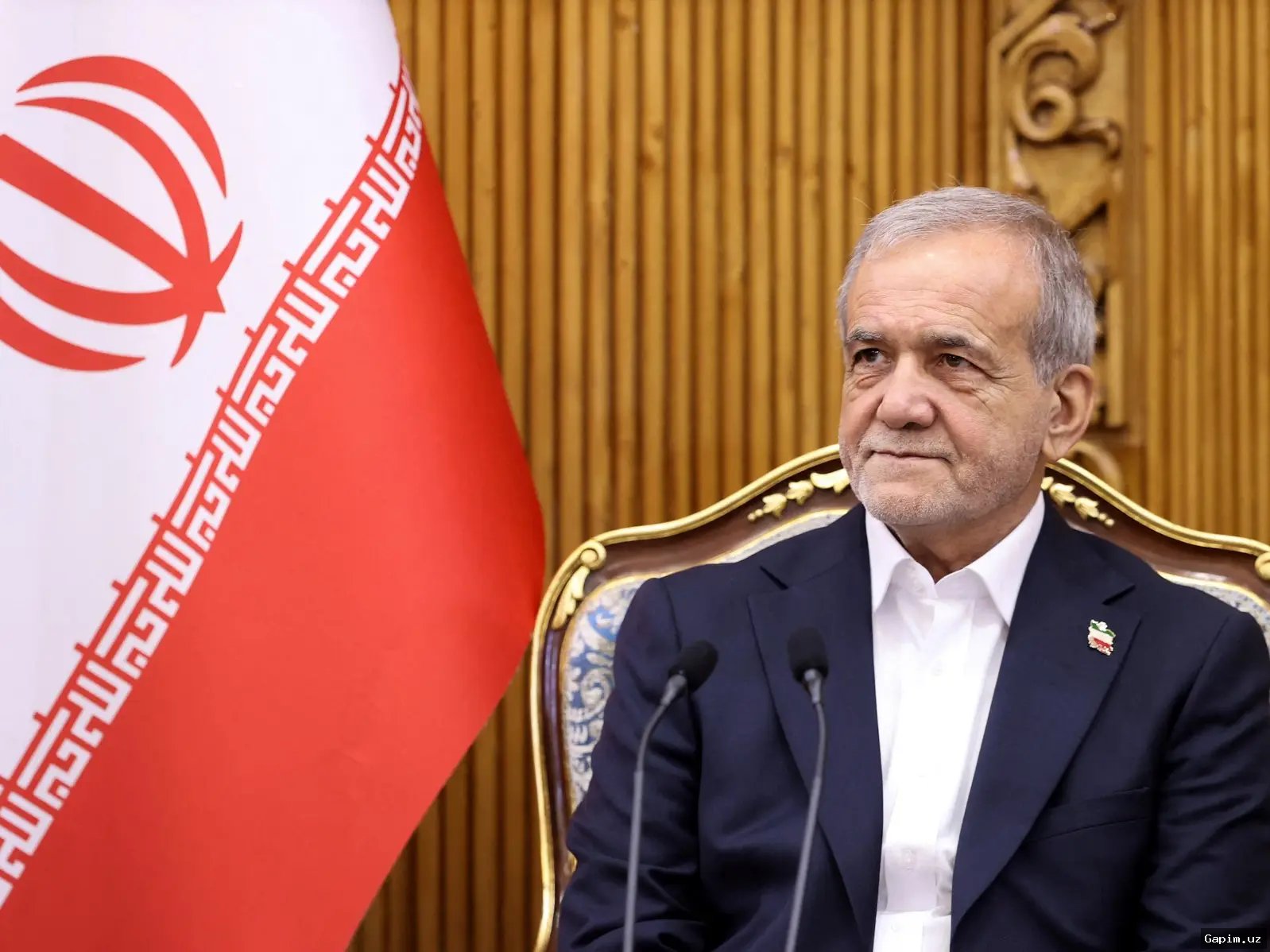
Iranian President Masoud Pezeshkian has offered an apology to neighboring countries that have been subjected to Tehran’s retaliatory strikes following military offensives by the United States and Israel against Iran. In a recorded message, he stated, "I personally apologise to neighbouring countries that were attacked by Iran. Our commanders, leaders and loved ones lost their lives due to the brutal aggression that took place, and our armed forces are heroes who gave their lives to defend our territorial integrity," without specifying which countries he was referring to.
However, Iran’s powerful Islamic Revolutionary Guard Corps (IRGC) expressed disapproval of the president’s remarks, warning neighboring countries that Tehran would continue attacks if the US and Israel used their territory to target Iran. An IRGC statement asserted, "However, should the previous hostile actions continue, all military bases and interests of criminal America and the fake Zionist regime on land, at sea, and in the air across the region will be considered primary targets and will come under the powerful and crushing strikes of the mighty armed forces of the Islamic Republic of Iran."
Pezeshkian later clarified on X that Iran had not actually attacked any of its neighbors but rather "targeted US military bases, facilities, and installations in the region." Iran’s Ministry of Foreign Affairs also issued a statement on Sunday emphasizing "that Iran’s defensive operations against US military bases and installations in the region should by no means be construed as enmity or hostility towards the countries of the region."
Khalid al-Jaber, executive director of the Middle East Council on Global Affairs in Doha, noted that different Iranian officials have sent several "contradictory" messages to countries in the region. "We don’t know which one is true. We don’t think now, in war, that Iran is going to stop attacking some infrastructure in the Gulf," he told Al Jazeera. Al Jazeera correspondent Resul Serdar observed that Pezeshkian’s apology was overtaken by the Revolutionary Guard’s dominance.
On Sunday, as attacks across the Gulf continued, Pezeshkian claimed his Saturday remarks had been misinterpreted by "the enemy that seeks to sow division with neighbours." According to Iranian state media, the president reiterated that Iran wants good relations with "the brotherly neighbouring countries" but has been forced to respond to attacks originating from other countries' territories.
Ali Vaez, director of the Iran project at the International Crisis Group, commented that Pezeshkian’s occasional off-key remarks underscore his limited political instincts and experience in navigating high-stakes moments. "But in wartime, rhetorical missteps by civilian officials are ultimately beside the point: The only voice that truly matters is the IRGC’s," he added.
Following the apology and threats from Iranian officials, strikes on countries across the Gulf have persisted. On Sunday, an Iranian drone attack caused material damage to a water desalination plant in Bahrain. On Saturday, Qatar, Kuwait, and the UAE reported incoming missiles and drones in their territories. On Sunday, Kuwait said two Ministry of Interior personnel were killed while on duty, and attacks on its international airport and social security office caused fires.
The Gulf Cooperation Council stated on Sunday that Iran’s continued attacks against Bahrain and Kuwait are "dangerous acts of aggression" threatening regional security and stability. The bloc comprises Bahrain, Kuwait, Oman, Qatar, Saudi Arabia, and the UAE. So far, Gulf countries have intercepted and destroyed most Iranian missiles and drones but have not yet launched strikes against Tehran.
Source: www.aljazeera.com