As International Women's Day is marked globally, media airwaves are saturated with symbolic gestures and lofty rhetoric about women's rights. Statistics are promoted, initiatives celebrated, and hashtags amplified.
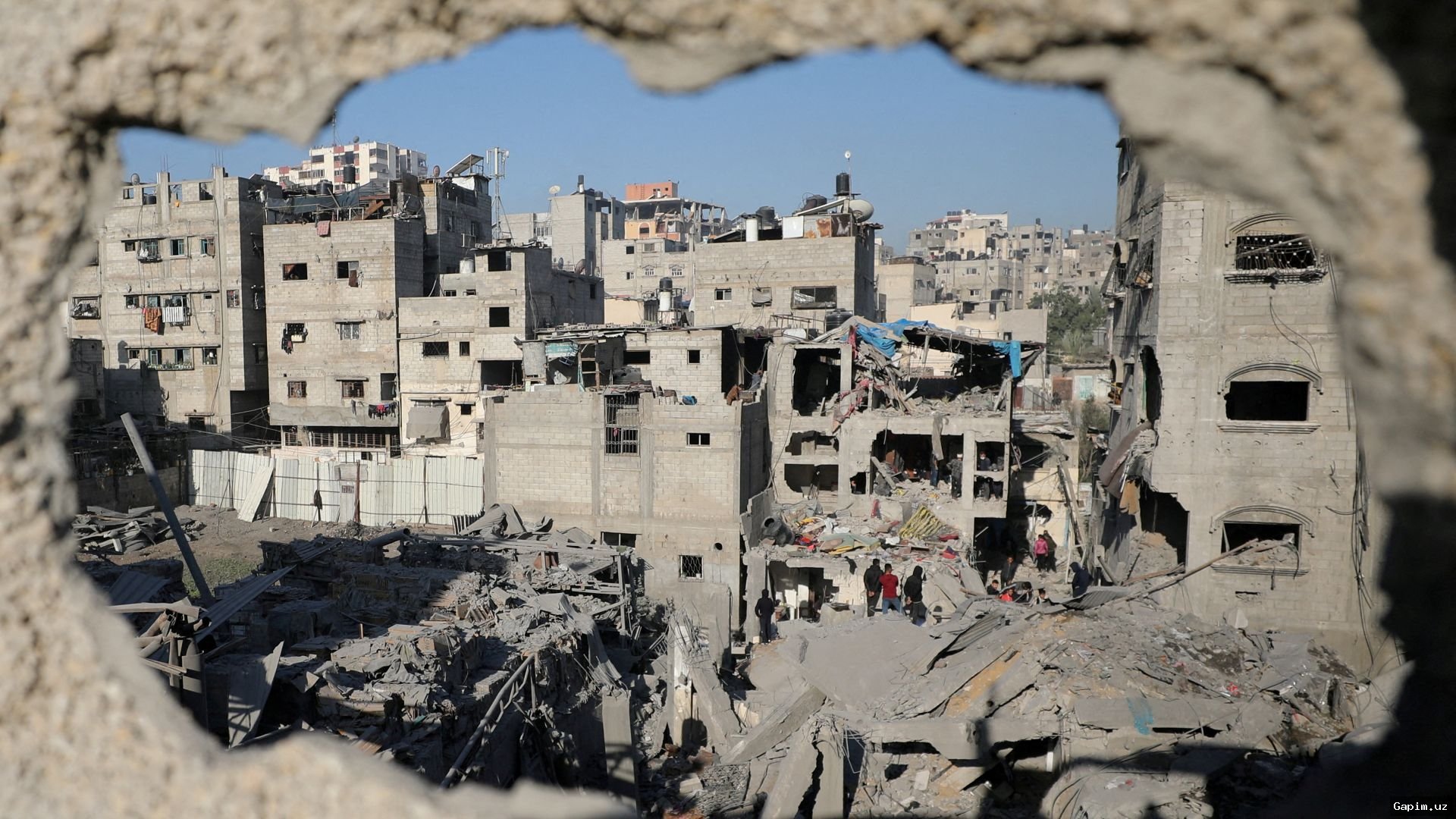
Yet in Gaza, the reality is starkly different. The Israeli occupation has, over the past two and a half years, killed tens of thousands of Palestinian women and girls and devastated the lives of approximately one million more. Against what is described as an Israeli genocidal onslaught, women in Gaza have resisted in various ways, with women journalists emerging as particularly heroic figures.
These journalists have undertaken the perilous task of reporting on a genocidal war, bearing witness to and documenting atrocities. Their cameras, notebooks, and phones have become tools not only for storytelling but for survival and preserving memory. For daring to challenge the occupation, they have paid a heavy price: more than 20 of the over 270 journalists and media workers allegedly killed by Israeli forces have been women.
Among them was Mariam Abu Daqqa, targeted by the Israeli army alongside other journalists at the Nasser Medical Complex in Khan Younis in August. She had worked for years as a field correspondent, documenting Palestinian suffering under siege and later reporting on the realities of the genocidal war. Mariam was also a loving daughter who donated a kidney to her ailing father and a devoted mother who made the painful decision to send her son abroad for safety during the war.
Four months before Mariam's death, the Israeli occupation assassinated another brilliant photojournalist, Fatima Hassouna. A talented young professional with a bright future and impending marriage, Fatima was killed along with six family members when the Israeli army bombed her home in northern Gaza. Her death came just a day after it was announced that a documentary about her would be featured at an independent film festival in Cannes.
The mass targeting and killing of Palestinian journalists has inflicted deep psychological scars on survivors. Women journalists speak quietly among themselves of fear, pain, and exhaustion, acutely aware that death can strike from the sky at any moment. Yet they persist, reporting on a war and a genocide they cannot escape.
They detail starvation while searching for food for their families, record displacements while fleeing with their children, write about bombardments moments after surviving one, and interview mourners while grieving their own losses. They operate under near-impossible conditions: with no electricity, almost no internet, and no safe passage despite wearing PRESS vests.
Despite these obstacles, Gaza's women journalists continue to write, record, document, and broadcast to millions worldwide. Their reporting has crucially shaped global understanding of life during a genocide. For the author, a young journalist in Gaza, these women are heroes and a constant source of inspiration, demonstrating the true meaning of journalism through their strength and commitment amid danger, displacement, and personal loss.
The author turned to journalism in June 2024, after months of watching her world collapse without knowing how to respond. Writing provided a sense of purpose, an outlet for emotions, and a way to process the fear, grief, and disorientation of living through genocide. Documenting events in Gaza felt like one of the few acts of agency left.
She now feels a simple but urgent responsibility: if she does not tell these stories, who will? Archiving their reality has become a form of resistance. Every image and testimony serves as proof that Palestinians exist, that this is their land, that their communities matter, and that the world cannot claim ignorance.
For her, journalism is not merely about informing audiences; it is about preserving memory in a place whose history the powers that be are allegedly trying to erase. She acknowledges the risks and that the world may not always listen, but remains determined to continue. This is how she honors the women journalists of Gaza who gave their lives reporting the truth and refusing to let the world look away.
Source: www.aljazeera.com