On the 10th day of the joint US-Israeli military campaign against Iran, US President Donald Trump's mixed and contradictory messages have led to significant market volatility and raised questions about the war's timeline and objectives. Monday morning saw US stock indexes drop and oil prices surge to $120 per barrel, but after Trump's flurry of phone calls to reporters aimed at calming nerves, oil prices fell below $90. However, his comments lacked clarity, as he allegedly stated the war was "very complete, pretty much" while also asserting "we're going to go further," leaving observers confused about the actual progress.
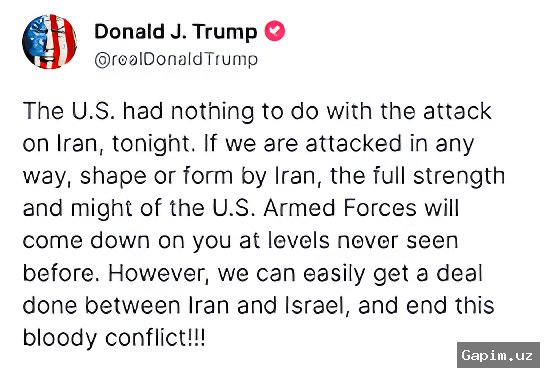
The messaging from the Trump administration has been dizzying, with shifts occurring within hours. Just days ago, Trump demanded Iran's "unconditional surrender," but on Monday, he suggested the operation could end soon, only to later walk back those comments and warn of intensified strikes if Iran continues to threaten oil tankers. His purported goal is to ensure Iran cannot develop weapons targeting the US, Israel, or allies "for a very long time," which might require regime change—a challenging prospect given Iran's leadership transition. Trump's mention of "building a new country" contradicts his aides' explicit rejection of Iraq-style nation-building.
The economic fallout from the military campaign is being felt domestically, with the average US gasoline price rising to $3.48 per gallon, up 48 cents from a week ago. This comes amid signs of a struggling economy, including a loss of 92,000 jobs in February, unemployment ticking up to 4.4%, and a labor force participation rate of 62%—the lowest since December 2021. "Affordability" and cost-of-living concerns rank as top issues for Americans, and polls indicate substantial opposition to the ongoing Iran campaign, creating a dangerous mix for Trump ahead of critical midterm elections in November.
The war presents real political risks for Trump, as seen in a special congressional election in Georgia's conservative northwest district. Independent voter Bob Stinnett expressed fears that spiking energy prices could cause a recession, while Democratic candidate Shawn Harris claimed the war and rising gas prices could attract more voters to his side. Trump has promised to bring down prices, but his so-called "affordability tour" has failed to gain traction, and he risks being perceived as prioritizing legacy-defining foreign interventions over domestic economic issues.
On Monday evening, Trump spoke of the "tremendous success" achieved by US forces, detailing how Iran's navy has been sunk and its air force destroyed. Yet, the full cost of this war—measured in damage to the global and US economy, as well as political costs to Trump and Republicans—is still emerging. In a year that may define Trump's second term, the American public has yet to render its final judgment on an operation that polls suggest few Americans wanted.
Source: www.bbc.com