Monday witnessed the most volatile day of oil trading in world history. Prices initially spiraled to $115 per barrel, but word soon emerged of an emergency meeting of G7 finance ministers. Reports suggested a potential 300 million-barrel release of emergency stockpiles coordinated by the International Energy Agency (IEA).
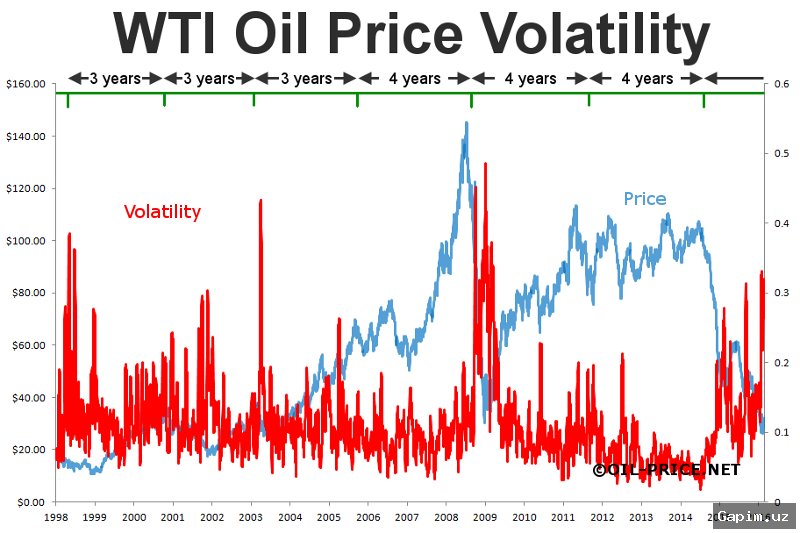
The speculation alone tempered the price rise somewhat, but levels remained significantly higher than pre-conflict benchmarks. Then, however, word emerged of what sounded like a pivot away from a prolonged war by US President Donald Trump, and oil prices went into freefall, dipping below Friday's close. When trading began in Asia, prices were hovering around $90 per barrel.
The initial surge is unsurprising given the shutdown of millions of barrels of crude in the Gulf and most Gulf countries reporting slowed production or even declaring force majeure—a clause freeing them from supply obligations due to events beyond their control. Three hundred million barrels is a massive volume, which would have more than doubled the record intervention made in April 2022 following Russia's invasion of Ukraine.
However, this also has the potential to be the biggest oil shock in history. Three hundred million barrels effectively represents less than three days of global oil consumption (104 million barrels per day), about a fortnight of normal traffic through the Strait of Hormuz. The G7 finance ministers may not all agree, and they decided against tapping the reserves immediately. Additional support is required.
Will all ministers want naval escorts through the Strait of Hormuz? Does a new insurance system solve the problems when drones and missiles are whizzing above tankers and occasionally targeting them? Meanwhile, the US regime has been pushing the idea that Russia could form part of a solution through waivers against sanctions for Putin's war against Ukraine.
As powerful as the G7 is, China, India, and South Korea remain the key customers for physical supply of Gulf oil and gas. Consequently, US gas tankers bound for Europe are now making Atlantic U-turns and heading via the Panama Canal to Asia instead. And what about jet fuels and fertilizer raw materials also shut in the Gulf?
After the G7 meeting, the chancellor told the House of Commons that the best way to help consumers would be a de-escalation of military tensions. The markets have read that into President Trump's comments. Even if the war stopped today, havoc in supply chains and damage to energy infrastructure would take weeks to unpick. Nonetheless, economic considerations appear to be restraining President Trump, as gasoline prices for his core voters spike with the crude oil price. For now, the war has not stopped, markets are calmer, but the situation remains volatile.
Source: www.bbc.com