US President Donald Trump and Defense Secretary Pete Hegseth have claimed the US has a 'virtually unlimited' supply of weapons during the 'Operation Epic Fury' against Iran. However, analysts suggest these assertions may not reflect the reality on the ground. Trump quietly acknowledged on his Truth Social platform that stockpiles of the highest-grade missiles are 'not where we want to be,' highlighting underlying challenges.
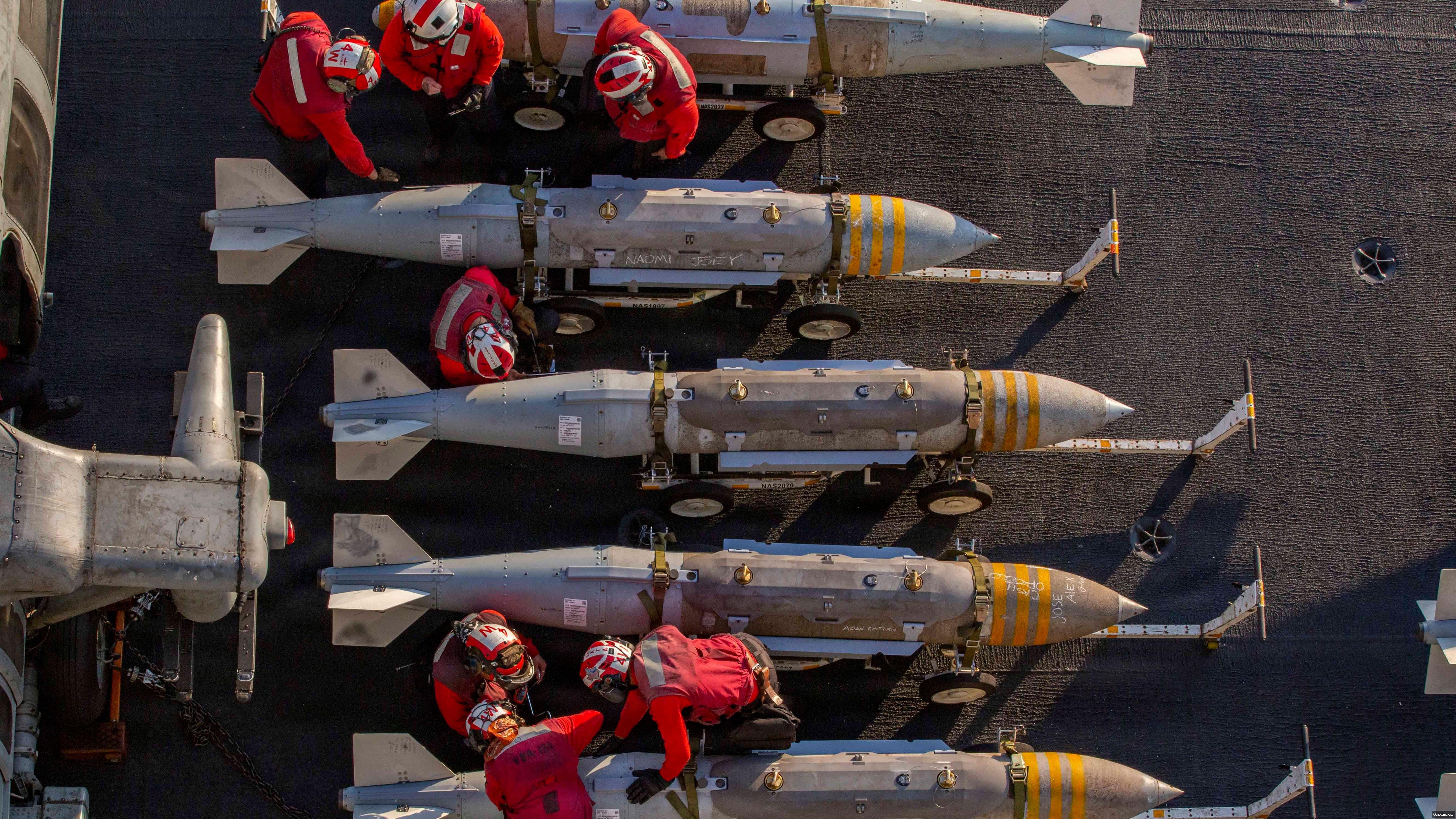
In the first week of the operation, the US and Israel conducted thousands of strikes across Iran, including the killing of Supreme Leader Ali Khamenei. In response, Iran has launched thousands of Shahed 136 drones and hundreds of missiles at US targets in the region, driving up defense costs. Analyst Kelly Grieco notes that a Shahed drone costs $20,000-$50,000 to produce, but intercepting it with an AIM-9 missile costs $450,000, creating an unfavorable cost exchange.
Primary concerns revolve around limited stocks of high-end defense weapons, particularly Patriot missiles. Mark Cancian estimates that around 1,000 Patriot missiles were available at the start, with 200-300 already used. Each Patriot missile costs about $3 million, and production is slow – Lockheed Martin delivered just 620 PAC-3 interceptors in all of 2025.
Trump met with defense companies on March 6, posting that manufacturers agreed to quadruple production of top-tier weaponry. However, Grieco cast doubt on the novelty of these deals, pointing out that many had been announced previously. Lockheed Martin's plan to scale up Patriot production to 2,000 per year by 2030 was already public.
Analysts agree the US is unlikely to run out of weapons in the Iran conflict, but significant depletion of stockpiles could constrain Washington's ability to address future threats in other regions, such as the Indo-Pacific or Europe. Ukrainian President Volodymyr Zelenskyy has already warned of potential reductions in air defense supplies to Ukraine in a prolonged war.
Grieco and Cancian argue that the US may have underestimated Iran's resilience. The Iranian government is fighting for its survival, and air power alone is unlikely to achieve regime change. This raises the risk of miscalculations similar to past US wars, where duration and costs exceeded expectations, leaving questions about the supplies the US will retain post-conflict.
Source: www.dw.com